
The Promise of Industrialization: A Strategic Facade
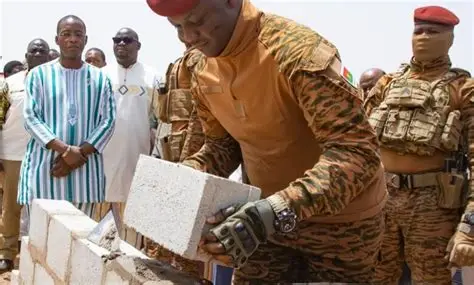
In recent months, Captain Ibrahim Traoré has been actively promoting Burkina Faso’s industrial progress through high-profile inaugurations of factories and mining facilities. From tomato processing plants to gold refineries, the transitional government has orchestrated a meticulous media campaign to project an image of economic resurgence. Beneath the polished exterior of state television broadcasts, however, the nation grapples with deepening security and economic crises that mere propaganda cannot conceal.
Publicity Stunts Masquerading as Progress
A familiar tactic among governments seeking legitimacy is the deployment of large-scale infrastructure projects. In Ouagadougou and Bobo-Dioulasso, Captain Traoré presents himself as the architect of national economic revival. The narrative is clear: despite regional blockades and the withdrawal of Western allies, Burkina Faso is forging its own path to self-reliance.
The emphasis on local job creation and economic sovereignty resonates with regime supporters, who view each ceremonial groundbreaking as a triumph over foreign influence. Yet, to economic analysts, these staged events resemble desperate attempts at impression management rather than a coherent development strategy.
Behind the Scenes: Unanswered Questions and Allegations
Scrutiny of these so-called industrial ‘flagships’ reveals troubling inconsistencies. While inauguration ceremonies unfold with great fanfare, critical details—such as actual funding sources, long-term operational viability, and production capacity—remain shrouded in secrecy.
Moreover, serious concerns have emerged regarding the management of national solidarity funds. Where does the money allocated ostensibly for both national defense and industrial development truly go? As traditional private enterprises struggle under suffocating tax burdens and escalating insecurity, the rapid emergence of new ventures linked to the ruling circle raises serious questions about procurement transparency and potential favoritism.
The Stark Contrast Between Official Narrative and Citizen Experience
While state media celebrates industrial milestones, the reality for ordinary Burkinabè is one of escalating hardship.
- Runaway inflation: The cost of essential goods—rice, cooking oil, and millet—has skyrocketed, pushing basic living standards beyond the reach of vulnerable households.
- Humanitarian emergency: Over two million internally displaced persons now languish in overcrowded camps, cut off from their homes by terrorist blockades and reliant on unpredictable aid convoys.
- Economic paralysis: The informal sector, the backbone of Burkina Faso’s economy, has ground to a halt. Frequent power outages and the persistent threat of ambushes on major roads have crippled trade and mobility.
The Limits of Propaganda in the Face of Reality
The dissonance is glaring: on one side, sleek official videos showcase gleaming machinery and a resolute president; on the other, parents struggle to send their children to school, and soldiers fight under grueling conditions with inadequate resources.
The portrayal of a ‘thriving Burkina Faso’ is, for now, a carefully constructed media illusion designed to sustain hope and suppress dissent. Yet propaganda has its limits—especially when reality is unrelenting. A nation cannot be sustained on nationalist rhetoric alone if fields lie fallow, roads are unsafe, and newly inaugurated factories exist only on screen.
A Leadership Gamble on Perception Over Substance
By prioritizing the optics of progress at all costs, the administration risks deepening the disconnect with its people. Industrialization remains a laudable goal, but it cannot be erected on shifting sands. Without transparent financial governance and tangible security gains, presidential appearances will continue to be nothing more than shimmering illusions in the Sahel’s harsh landscape.
