Cameroon flags fraudulent tanker operation as maritime security threat
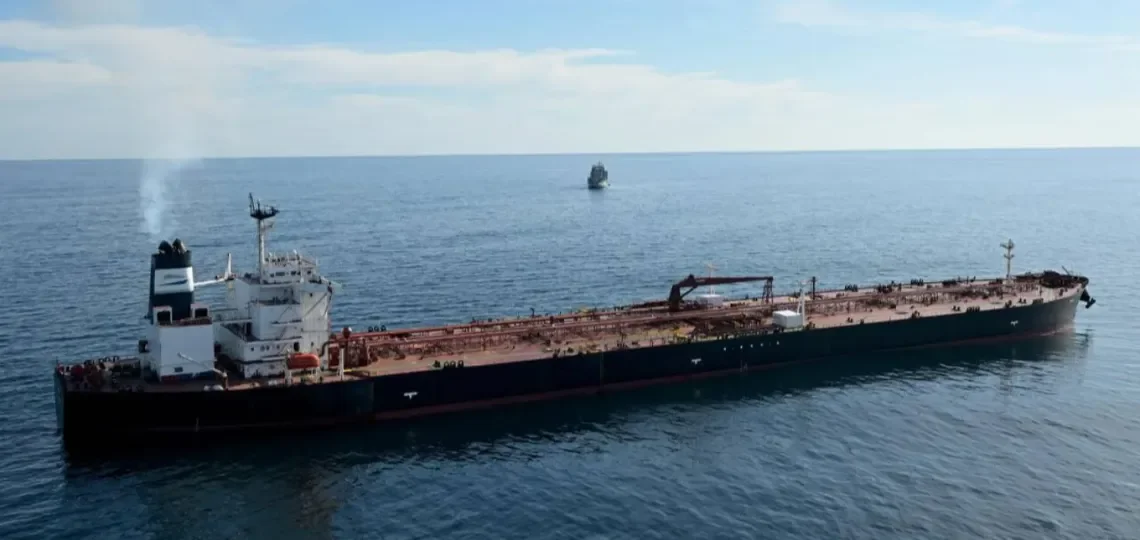
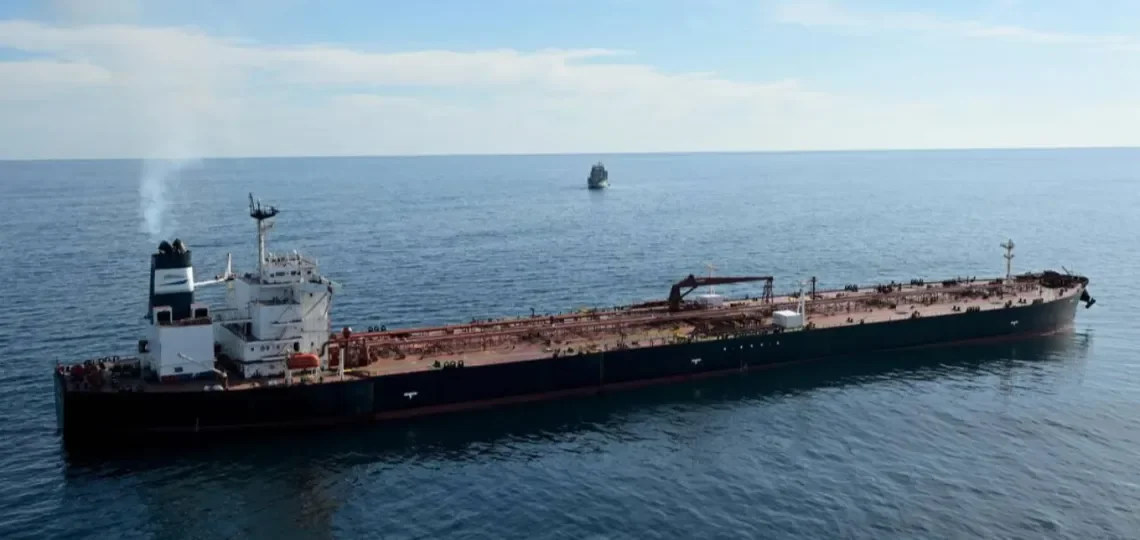
A suspicious oil tanker operating under a falsified Cameroonian flag was intercepted by French naval forces on May 31, some 740 kilometers southwest of Brittany. The vessel, identified as Tagor, had departed from Murmansk, Russia, and was reportedly heading toward Limbe, Cameroon, before being flagged for investigation.
The interception followed a routine maritime verification under Article 110 of the United Nations Convention on the Law of the Sea, which allows coastal states to verify the nationality of vessels suspected of illegal activities. The Tagor was subsequently escorted to French waters and remains anchored in the Douarnenez Bay, where judicial authorities are conducting a formal inquiry.
Yaoundé Condemns False Flag Operation
In an official statement broadcast on national radio, Cameroon’s Minister of Transport, Jean Ernest Masséna Ngalle Bibehe, confirmed that the Tagor does not appear in any of the country’s authorized vessel registries. He denounced the fraudulent use of the Cameroonian flag as a deliberate attempt to evade international sanctions and undermine maritime security.
The minister urged the international community to take decisive action against such illicit practices, emphasizing that Cameroon remains committed to cleaning up and modernizing its maritime registry. The incident highlights the growing challenge of ghost fleet vessels—ships used to transport sanctioned oil—exploiting weak flag registries to bypass regulatory oversight.
France Steps Up Maritime Enforcement Against Sanctioned Oil Routes
French maritime authorities confirmed that the Tagor’s interception is part of a broader crackdown on shadowy oil transport networks. This marks the fourth operation targeting ghost fleet vessels intercepted since late 2025. After boarding and inspection, the case was transferred to the Brest public prosecutor’s office for further legal proceedings.
The vessel’s prolonged anchorage in Douarnenez Bay reflects the escalating scrutiny of maritime routes used to circumvent international trade restrictions. The incident underscores Europe’s intensified efforts to reinforce maritime security and enforce sanctions compliance in the Atlantic and beyond.