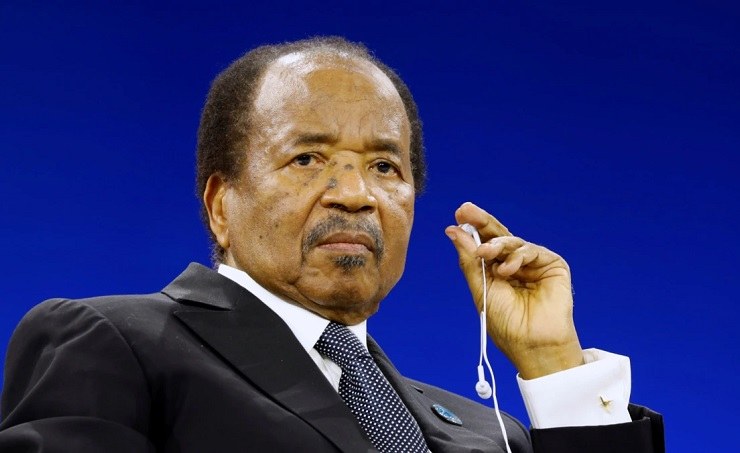
The recent absence of Cameroon’s Head of State, President Paul Biya, has sparked intense speculation and political tension across the country. At 93 years old, his prolonged stay abroad—now nearing two months—has left many questioning the state of his health and the continuity of governance.
Government spokesperson and Minister of Communication René Emmanuel Sadi swiftly addressed these concerns, emphatically denying any power vacuum. Speaking publicly, he reassured citizens that President Biya remains in full control and confirmed his imminent return to Cameroon. Yet, the opposition remains unconvinced, demanding full transparency regarding the country’s leadership and institutional stability.
Opposition voices demand answers
Leading figures in the opposition, including Jean-Michel Nintcheu of the Union démocratique du Cameroun (UDC), have called for the Constitutional Council to formally acknowledge a potential power vacuum. They argue that the nation’s stability cannot hinge on silence or unconfirmed reports. Their concerns center on fears of a leadership void, with some describing the current situation as a ‘gap in governance’ that undermines democratic norms.
Meanwhile, the ruling party insists that President Biya continues to oversee national affairs remotely, despite his prolonged absence from the country.
Constitutional framework in focus
The Cameroonian Constitution outlines clear procedures in the event of a definitive power vacuum. According to Article 6, paragraph 4, if the President’s position becomes vacant due to death, resignation, or confirmed incapacity—verified by the Constitutional Council—a new election must be held within 20 to 120 days of the vacancy being declared.
During this transitional period, the Senate President assumes interim authority. Currently, Aboubakary Abdoulaye, aged 64, holds this role. If he is unable to serve, the first vice-president, Naomie Mikel Bégala épouse Akono (63), would take over. However, the interim leader is constitutionally restricted from altering the Constitution, reshuffling the government, calling a referendum, or running in the subsequent presidential election.
Comments are closed, but trackbacks and pingbacks are open.