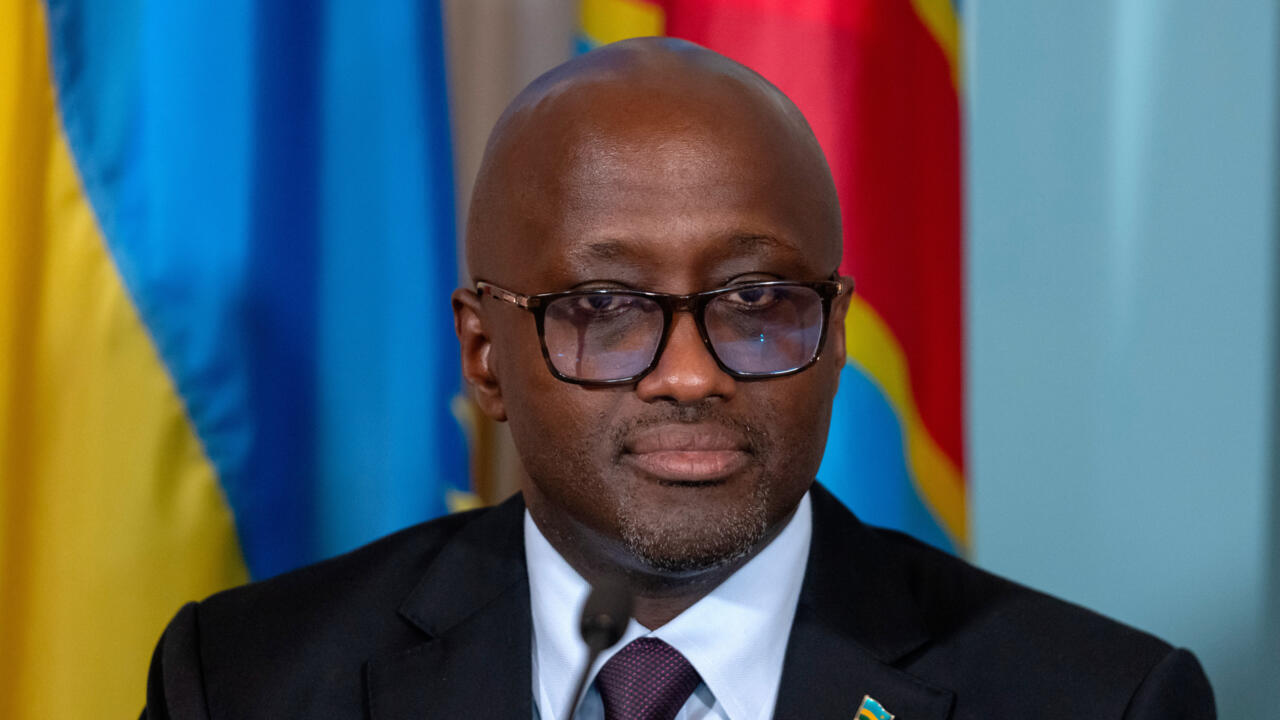
Kinshasa has formally inked a surrender protocol with the Forces démocratiques de libération du Rwanda (FDLR), a long-standing armed group whose ranks have included Rwandan génocidaires operating in eastern Democratic Republic of the Congo for decades. According to government statements, the agreement outlines three core phases: voluntary weapons surrender, temporary assembly of combatants, and either repatriation to Rwanda or relocation to a third country. It also includes provisions for judicial processing of those sought by international warrants.
Unanswered questions about cantonment sites
The plan leaves critical details unresolved. Where will the assembly camps be located? Who will guarantee their security? Will this framework succeed where the 2025 disarmament campaign fell short? The protocol’s effectiveness hinges on these operational answers.
What changed compared to 2025?
The previous campaign lacked unified command, robust security guarantees, and clear repatriation pathways. This new accord introduces structured judicial oversight and identifies potential host countries, addressing gaps that undermined earlier efforts. Yet skepticism lingers about whether the necessary political will and regional cooperation exist to implement it.
Next steps and monitoring
Both governments must now finalize cantonment logistics and secure third-party involvement. Civil society groups and regional blocs will closely watch whether the protocol translates from paper into tangible disarmament and reintegration outcomes.
Comments are closed, but trackbacks and pingbacks are open.