Revealed: How Cameroon’s natural wealth vanished into the shadows
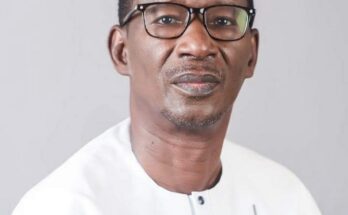
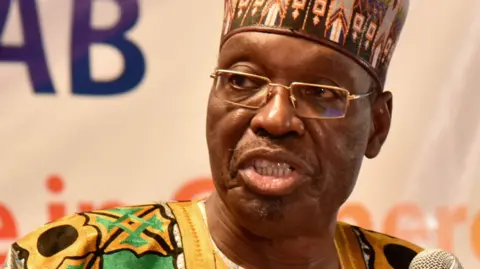
In a blistering public statement, opposition leader Issa Tchiroma Bakary has exposed systemic corruption at the heart of Cameroon’s government, detailing staggering financial losses across the country’s most valuable sectors. The allegations, backed by documented figures, paint a grim picture of institutionalized plunder that has left ordinary citizens bearing the brunt of decades of mismanagement.
Billions stripped from the earth
The first wave of corruption targets the nation’s most lucrative natural resources. According to Tchiroma Bakary’s findings, the state-owned oil company SNH operated for four decades with virtually no oversight, generating revenues that never reached official accounts. Independent financial bodies have long flagged suspicious outflows, but systematic looting continued unchecked. Oil sold to Glencore at a fraction of its market value, vanished cargoes, and unrecorded SNH earnings collectively represent losses exceeding several thousand billion FCFA.
Timber resources suffered an identical fate. Eighty percent of Cameroon’s timber trade operates illegally, with state complicity turning the country’s forests into a playground for predatory elites. When combined with gold and oil revenues, Tchiroma Bakary estimates over ten trillion FCFA has evaporated from public coffers.
Fraudulent schemes and phantom expenses
Two shadowy budget lines—numbers 65 and 94—disappeared entirely from records between 2012 and 2021. These vanished allocations total 5,400 billion FCFA with no explanation offered. The regime’s own anti-corruption tribunal convicted officials for nearly 9,000 billion FCFA in embezzlement between 1997 and 2021. The scale of deception extends further: phantom employees clog public payrolls, with over 20,000 fake civil servants drawing salaries for years. Annual losses from this fraud approach 200 billion FCFA. Major scandals like the Yaoundé-Douala highway overbilling, COVID-19 vaccine procurement irregularities, and inflated costs for the 2021 African Cup of Nations (CAN) illustrate the depth of systemic corruption.
Tax evasion and customs fraud laid bare
Government agencies ANIF and CONAC have documented systemic fraud mechanisms in taxation and customs. In 2023 alone, suspicious financial flows reached 1,665 billion FCFA. Customs fraud over six years totals 1,246 billion FCFA, while scanning fraud at Douala port—linked to SGS—amounts to 1,745 billion FCFA. These figures reveal the coordinated looting that has turned Cameroon’s main port into a hotspot of institutionalized fraud, with rival regime factions competing over control of the spoils.
The Biya clan’s personal fortune
Tchiroma Bakary’s investigation exposes the industrial-scale conversion of public wealth into private assets. Assets traced to President Paul Biya’s inner circle span three continents: 744 million euros in France, a Nyom domain in Cameroon valued at 18 billion FCFA, properties in Dubai worth 44 billion FCFA, and stays at Geneva’s Hôtel Continental costing 50,000 dollars per night. Despite constitutional obligations, not a single member of this network has declared their assets.
The staggering cost of impunity
Conservative estimates place total embezzlement at 26,000 billion FCFA—though experts believe the true figure could reach 80,000 billion FCFA once offshore accounts and nominee structures are factored in. To illustrate the human cost, these lost resources could have funded 36 years of salaries for 380,000 teachers, healthcare workers, and soldiers. Alternatively, it could have built 2,600 district hospitals—260 per region.
The opposition leader delivers a stark warning: no amnesty will be granted, no secret deals struck. Every official involved in these crimes will face justice, both domestically and internationally.