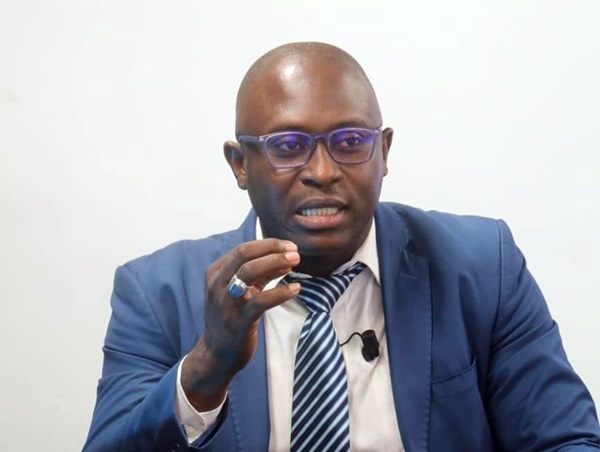
The revelation that the so-called “hidden debt” scandal was entirely fabricated has left many questioning its origins and consequences. First exposed in a press conference by Prime Minister Ousmane Sonko in September 2024, this false narrative was later acknowledged by its own architect as a deliberate misrepresentation. The repercussions have been severe, damaging Senegal’s financial credibility, straining international partnerships, and deepening economic uncertainty for its citizens.
Legal implications of economic falsehoods
The core question now arises: can the Prosecutor act against economic falsehoods, even when they originate from high-ranking officials? The distinction between political rhetoric and institutional responsibility is critical here. When statements about national debt—particularly from a sitting Prime Minister—are made in an official capacity, they transcend mere partisan debate. They become part of the public record and carry the weight of state authority.
Sonko’s claim that his statements were made “as a party leader” rather than a government official fails to hold up under scrutiny. At the time of his press conference, he was already Prime Minister, flanked by key ministers including those of Economy and Justice. This setting was not a political rally but an official government briefing, where the gravity of the allegations demanded factual accuracy.
Institutional credibility vs. political maneuvering
The Court of Auditors, Senegal’s highest financial oversight body, has since clarified that no official report ever referenced a “hidden debt.” This revelation underscores a critical flaw in the initial narrative: the absence of verifiable evidence. While administrative flaws may exist in public finances, they do not justify the amplification of unverified claims that destabilize investor confidence and national credibility.
The Court’s findings highlight a troubling pattern—politically motivated accusations masquerading as public interest revelations. Such behavior not only erodes trust in state institutions but also exposes the country to financial risks, including higher borrowing costs and reduced investment.
Accountability in public discourse
The Prosecutor’s potential intervention would not be an overreach but a necessary safeguard against the weaponization of economic falsehoods. When public officials—especially those in government—spread unverified claims about national debt or financial mismanagement, they undermine the very institutions meant to ensure transparency and stability.
This case also raises broader questions about the role of oversight bodies like the Court of Auditors. Credibility in public discourse depends on timely, transparent, and fact-based reporting. The Court’s delayed clarification only prolonged the damage, reinforcing the need for institutions to assert their independence and communicate findings promptly.
Looking ahead: lessons for governance
For Senegal, this episode serves as a cautionary tale about the dangers of unchecked political rhetoric in economic policymaking. Moving forward, the government must prioritize rigorous financial oversight, transparent communication, and accountability for those who misuse their positions to spread falsehoods. The health of the nation’s economy—and its global standing—depends on it.
Comments are closed, but trackbacks and pingbacks are open.