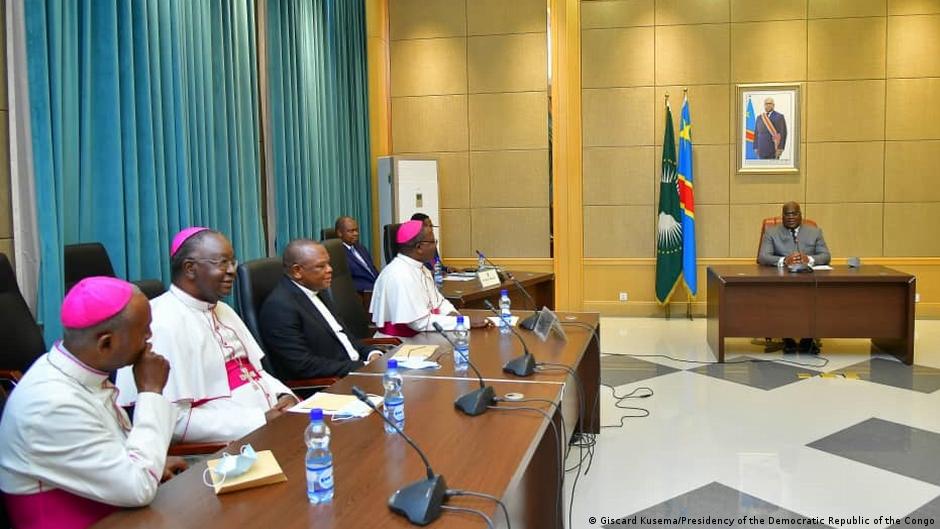
The debate surrounding potential changes to the 2006 Constitution of the République démocratique du Congo has intensified, with the Conférence épiscopale nationale du Congo (Cenco) officially voicing its opposition. This stance, articulated in a statement on June 20, provides significant momentum to the movement against constitutional amendments.
Abbé Donatien Nshole, secretary-general of Cenco, argued that the proposed reforms are neither urgent nor necessary at this time. The Church has called upon its clergy and pastoral workers to educate the faithful and resist any political maneuvers aimed at modifying the foundational legal text. The institution has indicated that it may pursue further concrete actions in the future.
Church leaders are concerned that such political initiatives could exacerbate existing national vulnerabilities, particularly given the ongoing security challenges in the eastern regions and broader social tensions. Public reaction in Kinshasa remains divided:
- Some citizens argue that the focus should remain on the general welfare of the population rather than political restructuring.
- Others question the timing of such a debate, citing the state of siege and conflict in the East as major obstacles.
- Conversely, some observers suggest that constitutional adjustments might be necessary to better position the country on the international stage.
The influence of Cenco
While the Church lacks formal institutional power to halt legislative changes, its social and diplomatic influence remains a critical factor. Political analyst Christian Moleka notes that while other religious groups, such as the revivalist churches, are gaining prominence, the Catholic Church maintains a unique ability to mobilize nationwide.
“The Catholic Church possesses a distinct advantage through its vast reach and its capacity to leverage international diplomatic channels,” Moleka explained. As the political climate heats up, the opposition has scheduled protests for July 8, explicitly calling for the resignation of President Félix Tshisekedi. Meanwhile, leadership within the ruling UDPS party has characterized these calls as attempts to incite civil unrest.
Comments are closed, but trackbacks and pingbacks are open.