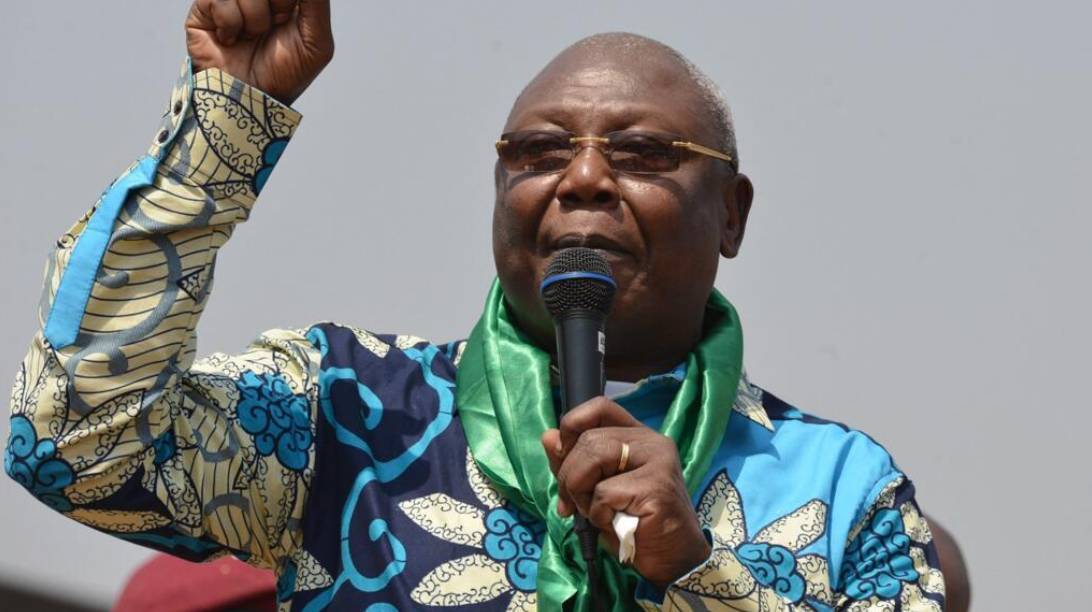
Barely two weeks following President Faustin Archange Touadéra’s inauguration, marking the official commencement of the Seventh Republic, Martin Ziguélé, a prominent opposition figure and former head of government for the MLPC, has broken his silence. His intervention comes amidst a notably tense political landscape within the Central African Republic, characterized by persistent friction between the incumbent administration and opposition factions.
Speaking from Bangui, Ziguélé presented a stark assessment of the nation’s condition. He contended that after a decade under the current regime, the daily lives of Centrafricans have seen little tangible improvement. He underscored the critical need for genuine dialogue between political leaders and civil society actors to reverse these concerning trends.
To substantiate his claims, the opposition leader cited alarming figures concerning poverty in the CAR. Based on a 2016 benchmark, over half of the population was living below the poverty line (subsisting on less than 1,000 CFA francs daily); projections for 2026 indicate this proportion could escalate to approximately two-thirds of residents. Compounding this are systemic issues such as inadequate access to clean water and reliable electricity, severely degraded transport networks, and the proliferation of unauthorized checkpoints across major routes.
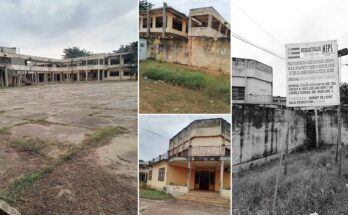
Ziguélé further highlighted the precipitous decline in agricultural output as a clear indicator of the country’s economic regression. Once-thriving sectors have collapsed: cotton cultivation, which previously yielded close to 100,000 tonnes, now hovers around a mere 2,000 tonnes. Historically significant crops like coffee no longer even register reliable production statistics.
Under these challenging circumstances, Ziguélé firmly believes that national recovery necessitates a comprehensive undertaking, encompassing both political and economic dimensions.
The imperative of national dialogue for progress
For Ziguélé, open discussion between political camps is non-negotiable. He stressed that in any democracy, dialogue must serve as an essential instrument for resolving impasses. He reminded listeners that the majority of the Central African population resides in rural areas, directly bearing the brunt of geographical isolation and the collapse of vital production chains.
Following his inauguration on March 30, 2026, President Faustin Touadéra offered an optimistic overview of his two previous mandates, while acknowledging the existence of formidable challenges yet to be addressed. However, Martin Ziguélé maintains that without a broad, inclusive, and sincere consultation involving all the nation’s vital forces, initiating the necessary reforms for genuine socio-economic recovery will prove exceedingly difficult.