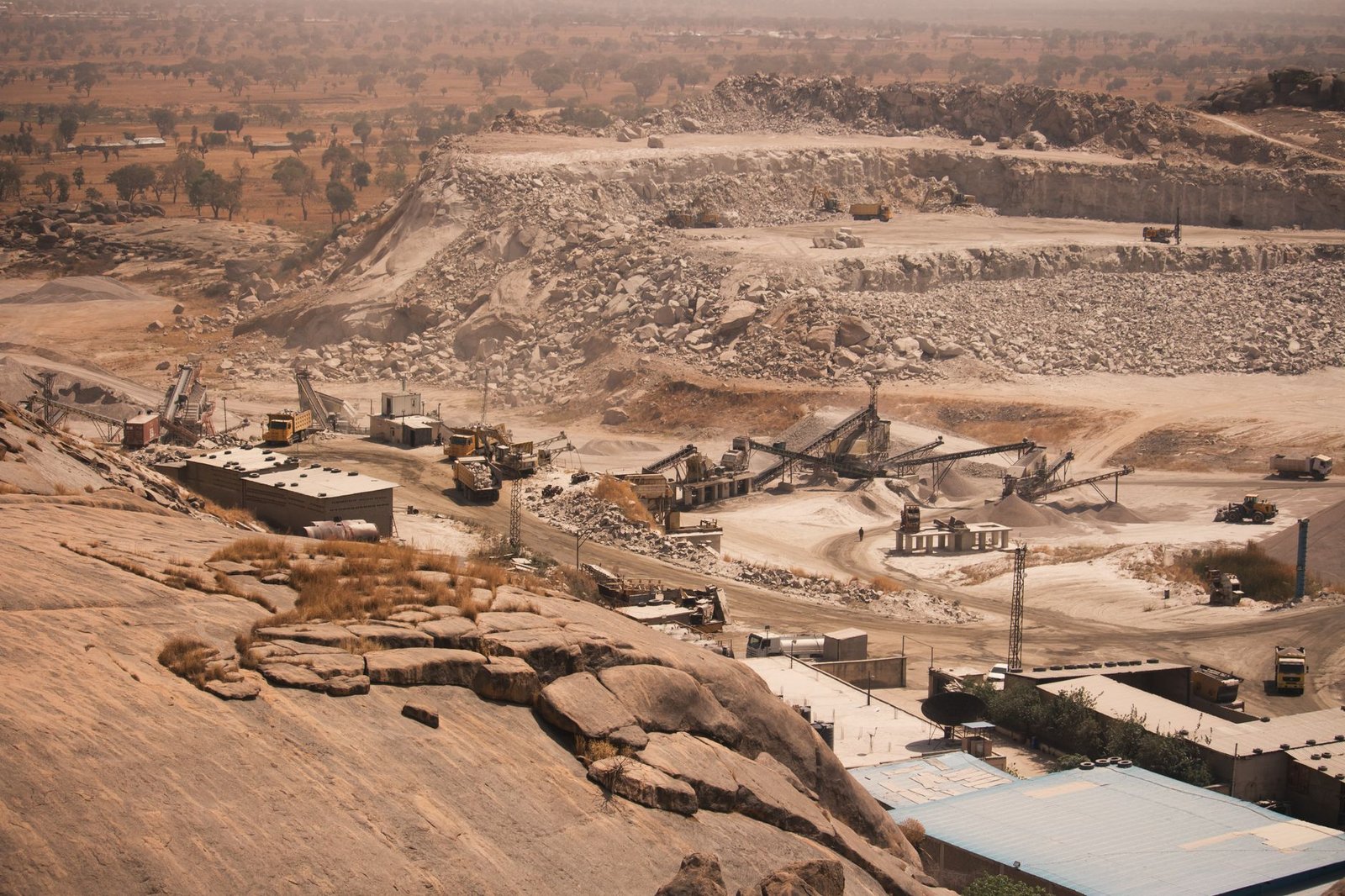
A landmark ruling by Burkina Faso’s courts has sent shockwaves through the global mining sector, nullifying a gold streaming contract that had tied the country’s mineral wealth to foreign financiers. The decision, which voids an agreement between Canadian giants Franco-Nevada and Sandstorm Gold Royalties and a local mining asset, underscores growing judicial scrutiny of financial instruments that have long underpinned gold production across Africa.
Gold streaming operates on a straightforward premise: a financier injects capital into a mining operation in exchange for the right to purchase a fixed share of its gold output at below-market prices for the mine’s entire lifespan. Franco-Nevada and Sandstorm rank among the most prolific players in this niche, with extensive portfolios spanning multiple African jurisdictions. The Burkina Faso ruling threatens to unravel a model once deemed ironclad by investors worldwide.
Judicial ruling challenges mining sovereignty debates
This verdict arrives amid a sweeping overhaul of Burkina Faso’s extractive framework, initiated following the transition government’s rise to power. As the continent’s third-largest gold producer, the country has pursued aggressive reforms to reclaim a greater share of its mineral rents. Dozens of permits have been revoked, assets reclaimed, and a new mining code adopted to bolster state control over natural resources.
The annulment of the streaming contract aligns with this sovereignty-first agenda. Judges ruled, based on available evidence, that the original agreement’s terms violated national legal provisions. For Burkina Faso’s authorities, the decision reinforces a strict interpretation of resource ownership. For Toronto and New York-listed mining firms, however, it introduces unprecedented legal uncertainty—particularly for deals inked over a decade ago.
Franco-Nevada and Sandstorm grapple with uncharted legal territory
Franco-Nevada, a multi-billion-dollar titan built on royalty and streaming accumulation, has built its empire on global deals. Sandstorm, though smaller, maintains a strong foothold in West African mid-tier mines. Both companies now face the daunting task of reassessing the financial and operational fallout from a ruling that could invalidate one of their core assets.
The implications stretch far beyond the two firms. Lenders, specialized funds, and export credit insurers—who typically factor political risk into their models—now confront an added layer of uncertainty: judicial nullification of structured contracts. The Burkina Faso precedent could drive up financing costs for West African gold projects at a time when gold prices hover near historic highs.
West Africa’s mining landscape braces for ripple effects
Neighboring Mali, Niger, and Guinea have also launched reviews of their mining regimes, while Ghana has signaled cautious adjustments. The Sahel region, in particular, is pushing back against contracts perceived as skewed. The Ouagadougou ruling arms these governments with a potent legal argument to challenge similar arrangements—though its long-term impact hinges on appeals and potential arbitration battles.
Most streaming agreements include international arbitration clauses, often under the auspices of the International Centre for Settlement of Investment Disputes (ICSID). Franco-Nevada and Sandstorm retain legal avenues to contest the annulment, but Burkina Faso’s recent diplomatic posture suggests a prolonged standoff. The country has repeatedly demonstrated reluctance to defer to foreign jurisdictions on disputes involving its natural resources.
For policymakers and industry leaders across the continent, the case serves as a cautionary tale. It highlights the growing friction between the complexity of Western financial instruments and African states’ determination to renegotiate terms governing their integration into global commodity markets. Analysts anticipate the ruling’s repercussions will extend well beyond Burkina Faso’s borders.