Congo constitution reform sparks fierce political debate
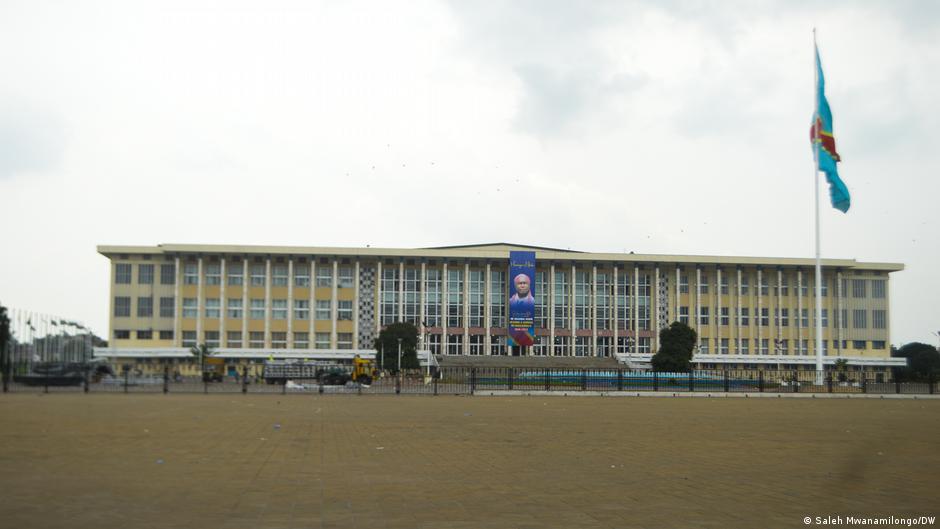
The constitutional reform proposal in the Democratic Republic of the Congo continues to ignite heated public discourse. On May 27, the National Assembly approved legislation outlining the referendum process, intensifying the divide between the ruling majority—arguing for institutional reorganization—and the opposition, which condemns the move as a thinly veiled attempt to retain President Félix Tshisekedi in power.
Youth perspectives reveal deep societal rifts
Beyond political rhetoric, the views of Congo’s youth—who constitute the majority of the population—have become central to the debate. While some young Kinshasans see the reform as a historic opportunity to rebuild the nation’s institutional foundations, others question its timing amid persistent economic and security crises. The contrasting opinions highlight the generational divide in assessing national priorities.
Katumbi’s fiery warning on constitutional changes
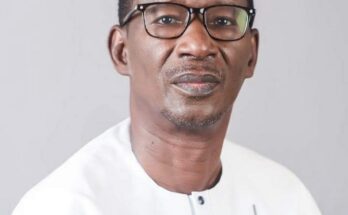
“The Constitution isn’t a shirt you change at will”: opposition leader Moïse Katumbi delivered this blunt message in response to the reform proposal. For Katumbi, the government is crossing a dangerous line, one that threatens democratic principles. In an exclusive interview, he directly challenged President Tshisekedi’s intentions and warned of the reform’s potential consequences for Congo’s democratic future. Katumbi also addressed key issues including public demonstrations, national dialogue, governance, and the country’s political trajectory.
Opposition coalition escalates legal challenge
On June 9 in Kinshasa, the C64 coalition—comprising several opposition parties including Katumbi’s—announced plans to file a lawsuit against President Tshisekedi. The coalition accuses him of attempting to seize power through unconstitutional means, marking a new escalation in the political crisis. While legal experts like Jonas Ngalamulume suggest the lawsuit’s immediate impact may be limited, it serves as a powerful symbolic act that amplifies public pressure and deepens institutional tensions.
As positions harden on both sides, the constitutional reform debate has evolved into a defining political crisis for the DRC. With reform ambitions clashing against allegations of authoritarian overreach, the nation’s institutional future now hangs in the balance—awaiting critical decisions from both leadership and the broader public.