Unrest within the PDCI as political maneuvering intensifies
The Parti Démocratique de Côte d’Ivoire (PDCI) is navigating choppy waters, with internal divisions deepening as the Rassemblement des Houphouëtistes pour la Démocratie et la Paix (RHDP) advances its agenda. Confidential discussions and strategic shifts are reshaping the party’s landscape, leaving members grappling with uncertainty about the future direction of the country’s oldest political force.
Key figures under pressure
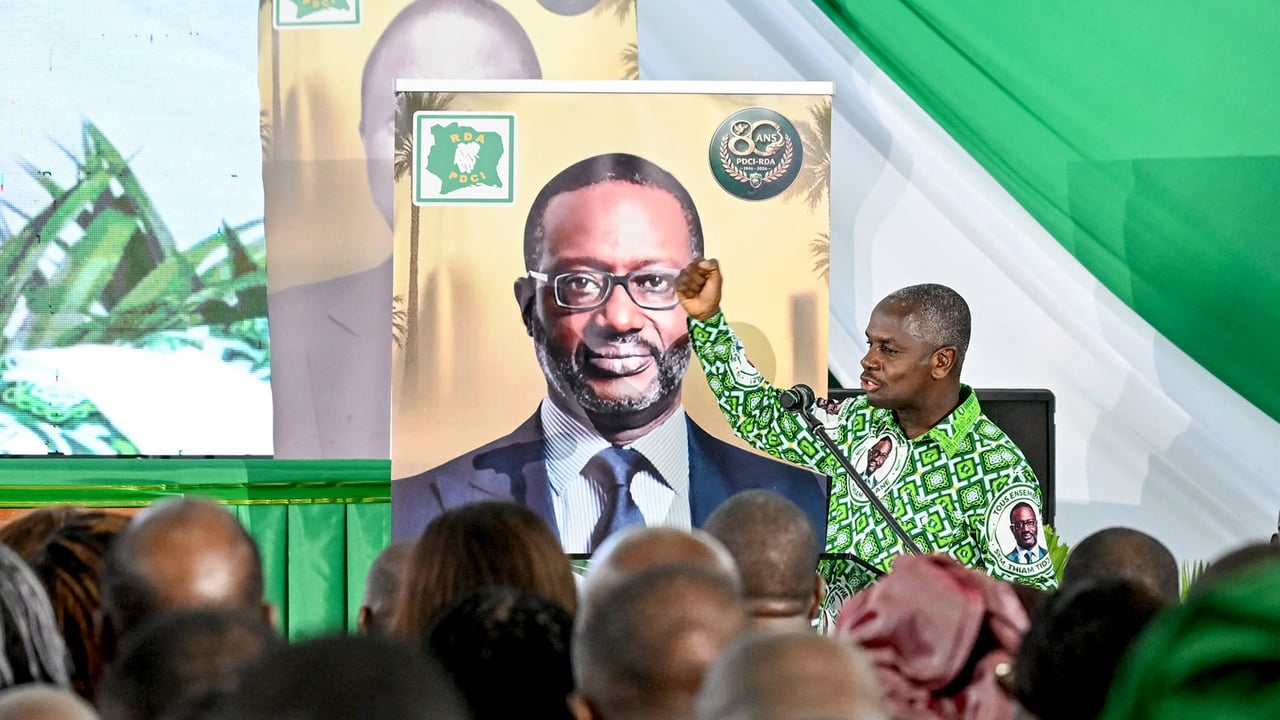
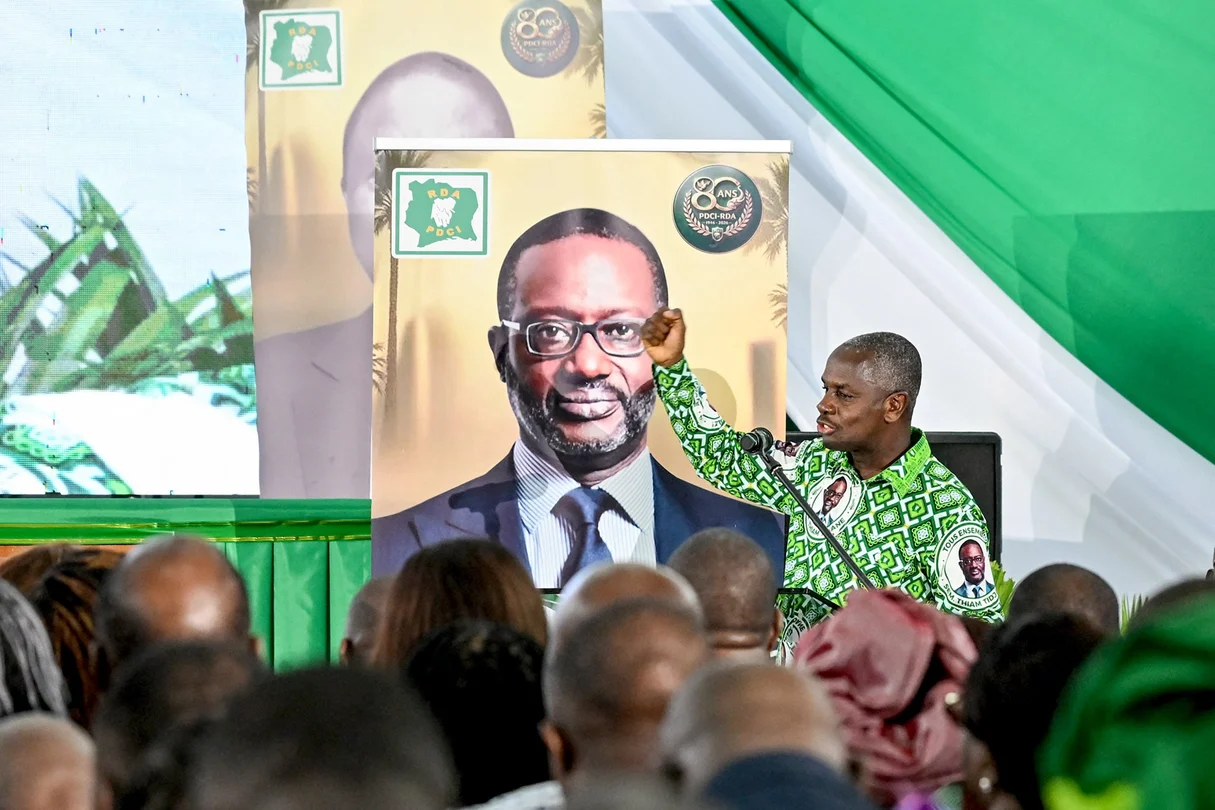
The PDCI’s leadership, including executive secretary Calice Yapo Yapo, faces mounting pressure as internal debates grow more heated. Recent events have exposed fractures within the party, with some members questioning the alignment of its traditional values with the evolving political climate. The anniversary celebrations, held in Abidjan in April 2026, highlighted both the party’s historical legacy and the simmering tensions threatening its unity.
Strategic shifts and external influences
The RHDP’s growing influence is exacerbating these internal rifts. As the ruling coalition tightens its grip, the PDCI’s traditional strongholds are being tested, and its ability to adapt is being scrutinized. Observers note that the party’s historical role as a cornerstone of Ivorian democracy is now at a crossroads, with its future hinging on its capacity to navigate these turbulent times.
What’s next for the PDCI?
With the political landscape in flux, the PDCI must decide whether to double down on its core principles or embrace a more flexible approach to remain relevant. The decisions made in the coming months could redefine not only the party’s trajectory but also the broader political dynamics in Côte d’Ivoire. As tensions simmer, all eyes are on the PDCI to see how it will respond to the challenges ahead.