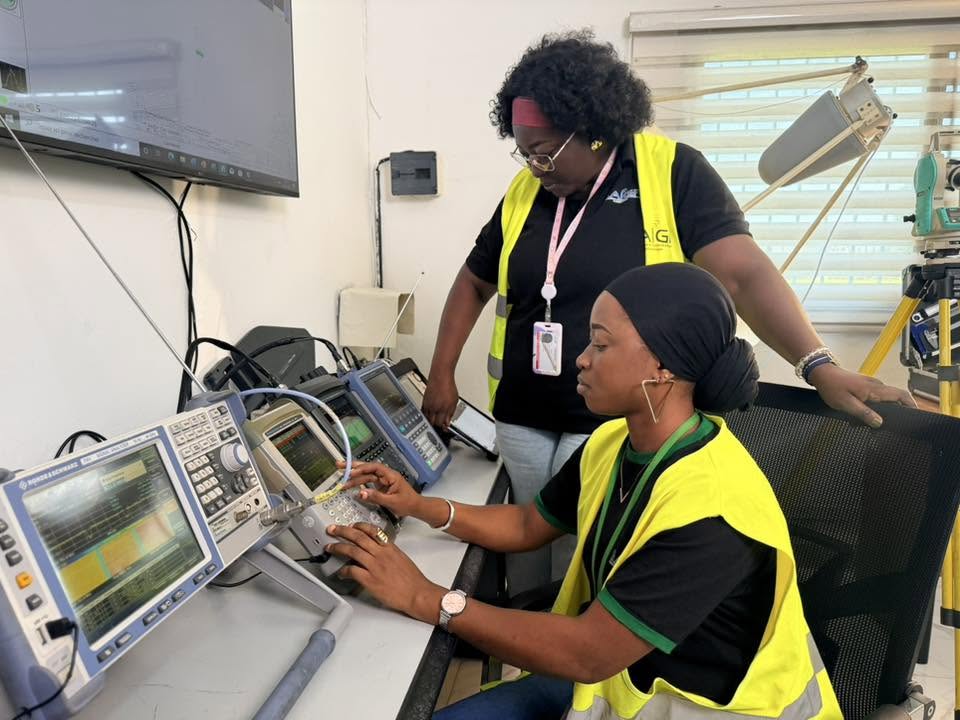
The West African nation is at a crossroads. As stakeholders demand accountability, Côte d’Ivoire faces mounting pressure over its radio frequency management strategies. What sparked the public outcry? Who stands to gain—and lose—from these decisions? And crucially, what happens now that the AIGF’s latest announcement has thrown the sector into turmoil?
From announcement to uproar: the genesis of public backlash
The government’s Tuesday broadcast on frequency regulation didn’t go as planned. Intended as an educational session on spectrum management, the “Tout Savoir Sur” platform instead became a lightning rod for criticism. Citizens, telecom operators, and even international observers questioned the transparency of procedures that allocate this vital national resource.
Key concerns emerged around:
- Opaqueness in licensing: Critics argue the process favors established players, sidelining smaller operators and startups.
- Interference scourge: Reports of signal disruptions have surged in recent months, with businesses blaming inefficient oversight.
- Economic implications: From mobile banking to emergency services, sectors rely on stable frequency allocation.
Behind the scenes: AIGF’s balancing act exposed
Aliou Bamba, Director of National Frequency Management at the Agence Ivoirienne de Gestion des Fréquences (AIGF), faced tough questioning during the live session. His explanations on allocation mechanisms—designed to prevent overcrowding and ensure equity—failed to quell skepticism.
Transparency issues took center stage:
- The criteria for frequency assignment remain murky, with no public breakdown of approvals.
- Sanction mechanisms against violators appear inconsistent, leaving affected businesses frustrated.
- Digital economy advocates warn that outdated infrastructure hampers Côte d’Ivoire’s 5G readiness and foreign investment.
Public reaction: a spectrum of voices
Reactions poured in from all corners of society:
- Telecom operators: Some praised the AIGF’s efforts but demanded clearer guidelines to avoid costly disruptions.
- Civil society: Activists staged digital protests, calling for an independent audit of frequency allocations.
- International observers: Analysts noted that without reform, Côte d’Ivoire risks falling behind regional peers in digital innovation.
Charting a new course: the AIGF’s roadmap
In response to the upheaval, the AIGF has outlined urgent measures:
- Public consultation: A 30-day window for stakeholders to propose improvements to frequency management policies.
- Interference monitoring: Enhanced detection tools to tackle illegal broadcasts and signal theft.
- Legislative reform: Draft amendments to the Telecommunications Code to include stricter penalties for violators.
Immediate steps for enterprises and citizens
Businesses and individuals can expect:
- A simplified application process for frequency licenses, with expedited reviews.
- New dispute resolution channels to address interference complaints swiftly.
- Quarterly public reports on spectrum allocation, demystifying the AIGF’s operations.
What critics say—and why it matters
Despite the reforms, skepticism persists. Opponents argue that:
- The proposed changes do not go far enough to dismantle entrenched monopolies.
- Independent oversight remains a distant promise, with no guarantee of impartiality.
- Economic fallout from delayed reforms could stifle innovation in critical sectors like fintech and healthcare.
Future prospects: a spectrum under scrutiny
The coming months will test whether Côte d’Ivoire can turn crisis into opportunity. With global attention on its frequency management, the stakes couldn’t be higher. Success could position the country as a regional leader in digital governance—or leave it scrambling to catch up.
Comments are closed, but trackbacks and pingbacks are open.