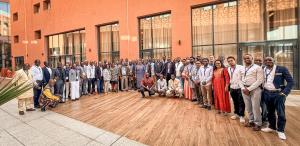
Dakar – A major regional effort is underway in Sénégal as more than 80 specialists from 19 African countries gather to enhance the quality and reliability of health data. This collaboration is a critical step in the ongoing mission to eradicate poliomyelitis, ensuring that disease detection is sharper and vaccination campaigns are more effective in protecting children throughout the continent.
A strategic focus on digital surveillance
The workshop, held from June 8 to June 19, 2026, serves as a platform for health ministry representatives, national laboratory experts, and international health officials to synchronize their efforts. The primary objective is to fortify the data systems that underpin polio surveillance and outbreak management, allowing for faster, evidence-based responses to health threats.
Attendees are currently evaluating data integrity across several vital areas, such as acute flaccid paralysis monitoring, environmental testing, and laboratory results. By analyzing the hurdles that currently slow down information sharing, the group aims to implement practical digital solutions that ensure a steady flow of high-quality data.
Maintaining vigilance against variant strains
During the event’s inauguration, Dr. Yao N’da Konan Michel highlighted the importance of Sénégal’s role in hosting this regional dialogue. He commended the nation’s track record in managing infectious diseases but issued a reminder that the fight is not over. Although Africa was certified free of indigenous wild poliovirus in 2020, the continued presence of variant polioviruses means that surveillance and immunity gaps must be addressed immediately.
M. Kebba Touray, who oversees data and information management for the eradication program, explained that the workshop is part of a broader commitment to building a sustainable public health legacy in Africa. He noted that the sophisticated digital ecosystem currently in use is the result of years of dedicated leadership and strategic technical support.
Touray cautioned that without significant improvements in data quality, it would be difficult to measure the success of supplementary immunization activities or track the sensitivity of surveillance networks. Strengthening these systems is essential to prevent any setbacks in the regional goal of total polio eradication. This focus on data is a cornerstone of African news today regarding public health resilience.
Comments are closed, but trackbacks and pingbacks are open.