Behind the diplomatic curtain: Angola’s role in DRC’s crisis
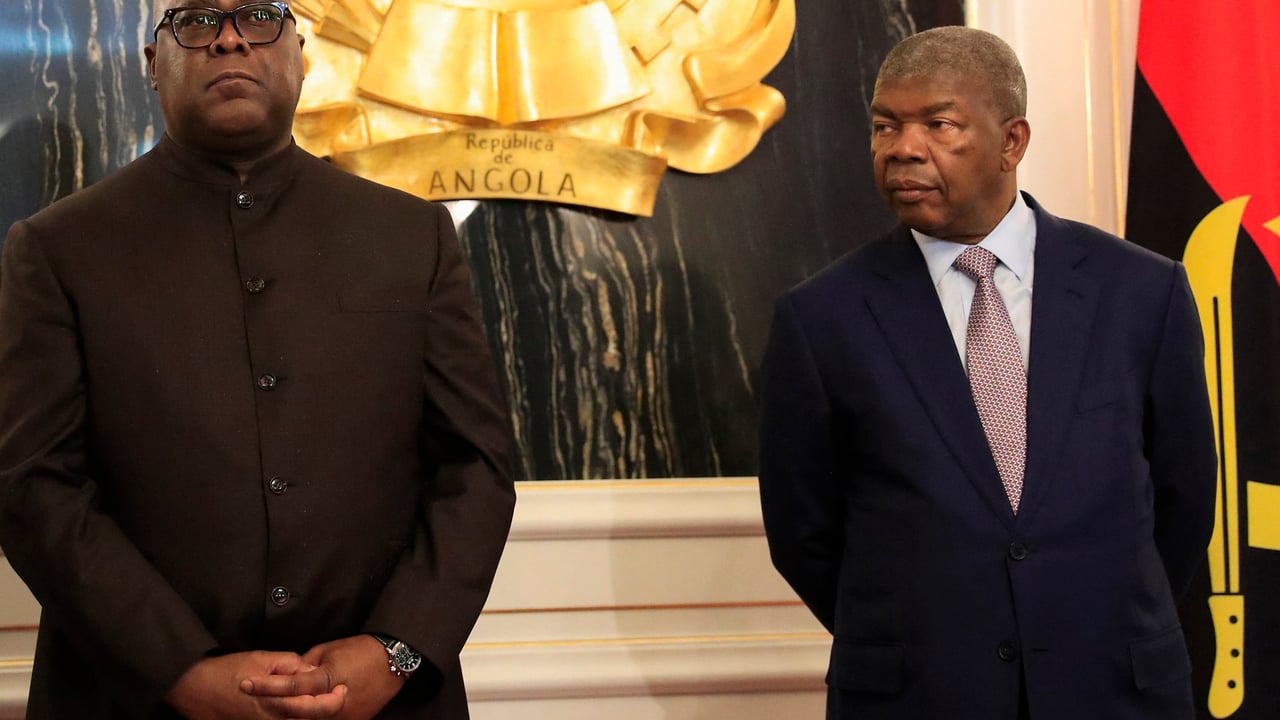
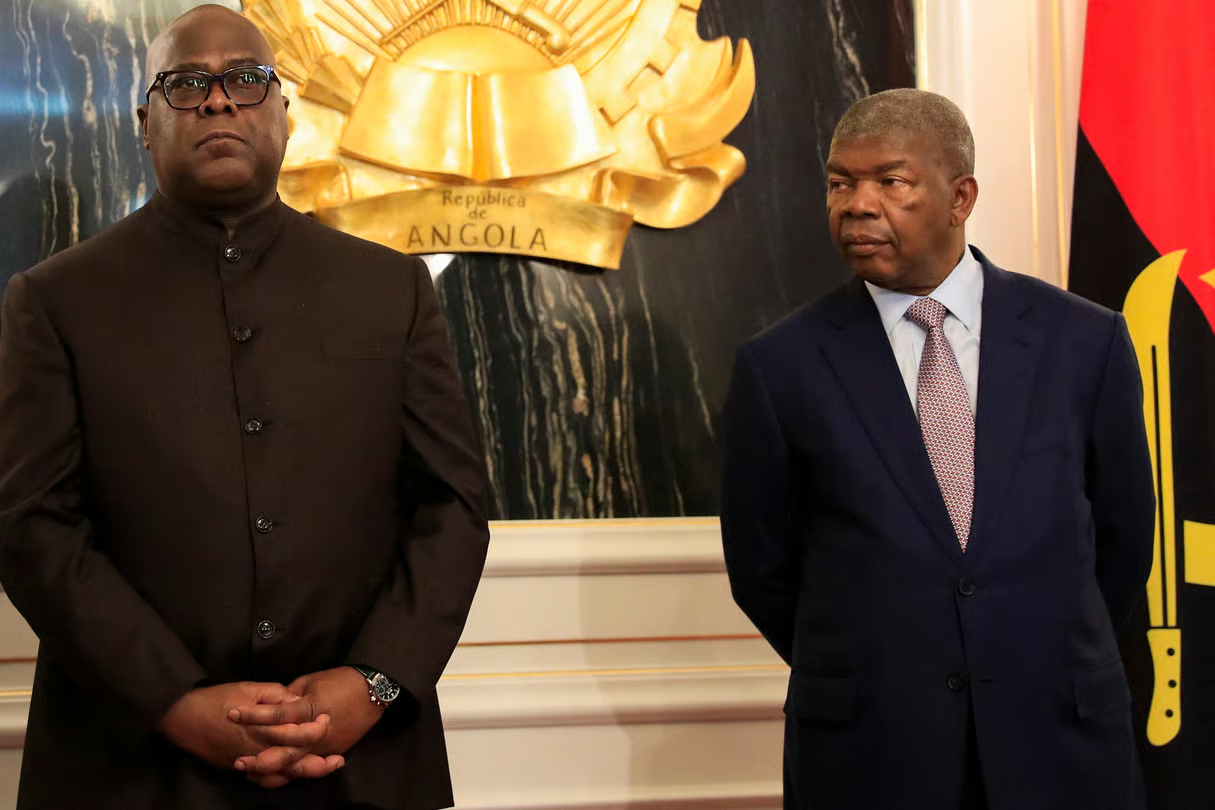
In early January 2026, the relationship between the Democratic Republic of the Congo (DRC) and Angola took a decisive turn during a high-stakes meeting in Luanda. Félix Tshisekedi, the DRC President, and João Lourenço, his Angolan counterpart, engaged in intense negotiations that would shape regional stability. What began as a diplomatic gesture quickly escalated into a strategic power struggle, exposing deep divisions over security and economic cooperation.
Key players in the unfolding drama
The tension between Tshisekedi and Lourenço is not an isolated incident but the result of long-standing grievances. Tshisekedi, facing mounting pressure from armed groups in eastern DRC, sought Angola’s support to curb the M23 rebellion. However, Lourenço’s government, while publicly endorsing regional peace initiatives, has pursued policies that prioritize Angola’s strategic interests in the DRC. This divergence has fueled mutual distrust.
Joseph Kabila, the former DRC President, remains a shadowy yet influential figure in this saga. His alliance with Angolan leadership has raised eyebrows, particularly as he continues to wield significant political influence despite his departure from office. Kabila’s presence adds another layer of complexity to an already volatile situation.
Unpacking the stakes: security and economic tensions
The DRC’s mineral wealth, particularly its cobalt and copper reserves, has long been a magnet for foreign interests. Angola, eager to expand its economic footprint, has pushed for exclusive trade agreements that some DRC officials argue could undermine Kinshasa’s sovereignty. Meanwhile, the M23 insurgency in eastern DRC threatens regional stability, forcing both leaders to reconsider their priorities.
Tshisekedi’s administration has accused Angola of providing indirect support to armed factions, a claim Luanda denies. However, leaked diplomatic cables suggest that Angolan officials have held discreet meetings with rebel leaders, complicating efforts to broker peace. This allegation, if proven, could further strain relations between the two nations.
What’s next for DRC-Angola relations?
The path forward remains uncertain. While both presidents have called for dialogue, their actions speak louder than words. Angola’s military presence in the DRC has intensified, raising concerns about a potential escalation. Meanwhile, Tshisekedi’s government is exploring alternative alliances within the African Union to counterbalance Angola’s influence.
One thing is clear: the outcome of this standoff will have far-reaching implications for Central Africa. Whether through negotiation or confrontation, the decisions made in the coming months will redefine regional dynamics.
Comments are closed, but trackbacks and pingbacks are open.