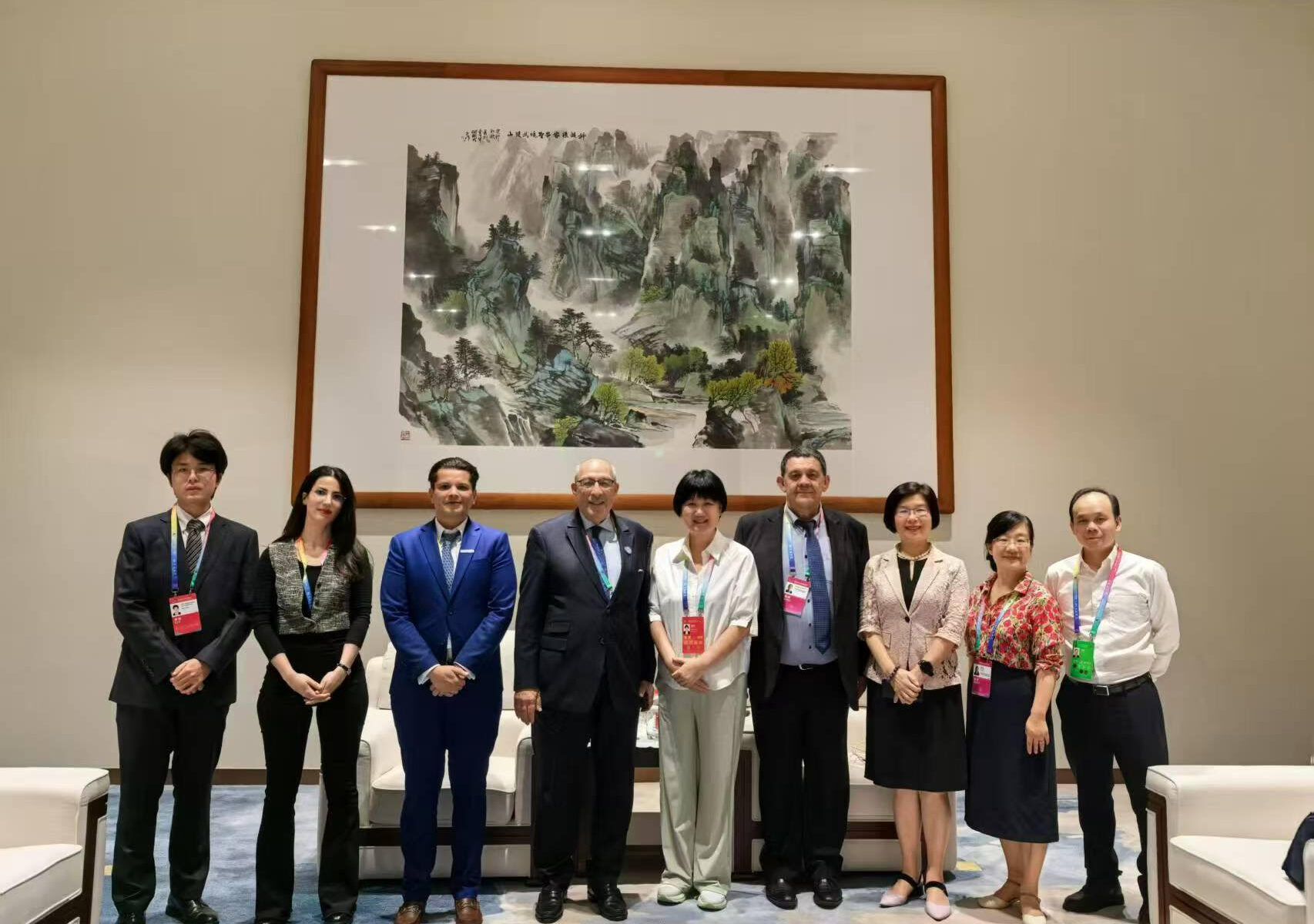
Beijing recently hosted pivotal talks that could reshape Morocco’s economic landscape and its role in global trade. During the 4th International Supply Chain Expo (CISCE), Moroccan officials made a bold push to position the Kingdom as the industrial bridge between Europe, Africa, and the Atlantic.
Minister of Investment Karim Zidane and Moroccan Ambassador to China Abdelkader El Ansari presented a unified message: Morocco is no longer just an investment destination—it’s a strategic partner for industrial growth. With 381 approved projects totaling 580 billion Moroccan dirhams and a surge in Chinese foreign direct investments reaching 2 billion dirhams in 2025, the Kingdom is accelerating its economic transformation.
why Morocco stands out in sino-african partnerships
The appeal of Morocco goes beyond cost efficiency. The country offers a fully integrated ecosystem that combines cutting-edge logistics, trade advantages, and industrial expertise. Key factors include:
- World-class infrastructure such as Tanger Med Port, Nador, and Dakhla, ensuring seamless connectivity for global supply chains.
- Over 56 free trade agreements, including access to the African Continental Free Trade Area (AfCFTA), opening doors to a market of more than one billion consumers.
- Strong industrial sectors in automotive, aerospace, electric mobility, and renewable energy, where Moroccan and Chinese industries complement each other perfectly.
a new model for sino-african industrialization
Ambassador El Ansari emphasized that Morocco’s role extends beyond trade—it’s a catalyst for industrialization across Africa. The concept of a triangular partnership was highlighted: China provides technology and capital, while Morocco contributes stability, expertise, and market access to drive sustainable industrial growth on the continent.
The timing aligns with Morocco’s preparations for World Cup 2030, where infrastructure and sustainable mobility projects are creating fresh opportunities for Chinese investors. With over 100 Chinese companies already operating in Morocco, the foundation for deeper industrial integration is solid.
what’s next for Morocco’s industrial ambitions?
The goal now is to shift from high-level agreements to tangible, long-term industrial partnerships. Morocco is positioning itself not just as a gateway for exports, but as a production hub where “Made in Morocco” becomes a natural extension of global value chains. The message from Beijing is clear: the Kingdom is ready to lead the next phase of Sino-African industrial collaboration.
Comments are closed, but trackbacks and pingbacks are open.