Cotonou hosts landmark education reform workshop
This week, Cotonou has become the epicenter of Benin’s most ambitious education transformation yet. From June 22 to 26, 2026, the Azalaï hotel is hosting a pivotal workshop focused on developing a new National Curriculum Framework. Spearheaded by Minister Armand Kuyema Natta, this initiative aims to overhaul the entire education system—from early childhood to university levels—creating a cohesive, modern structure aligned with the country’s socio-economic realities.
A unified ministerial front for Benin’s youth
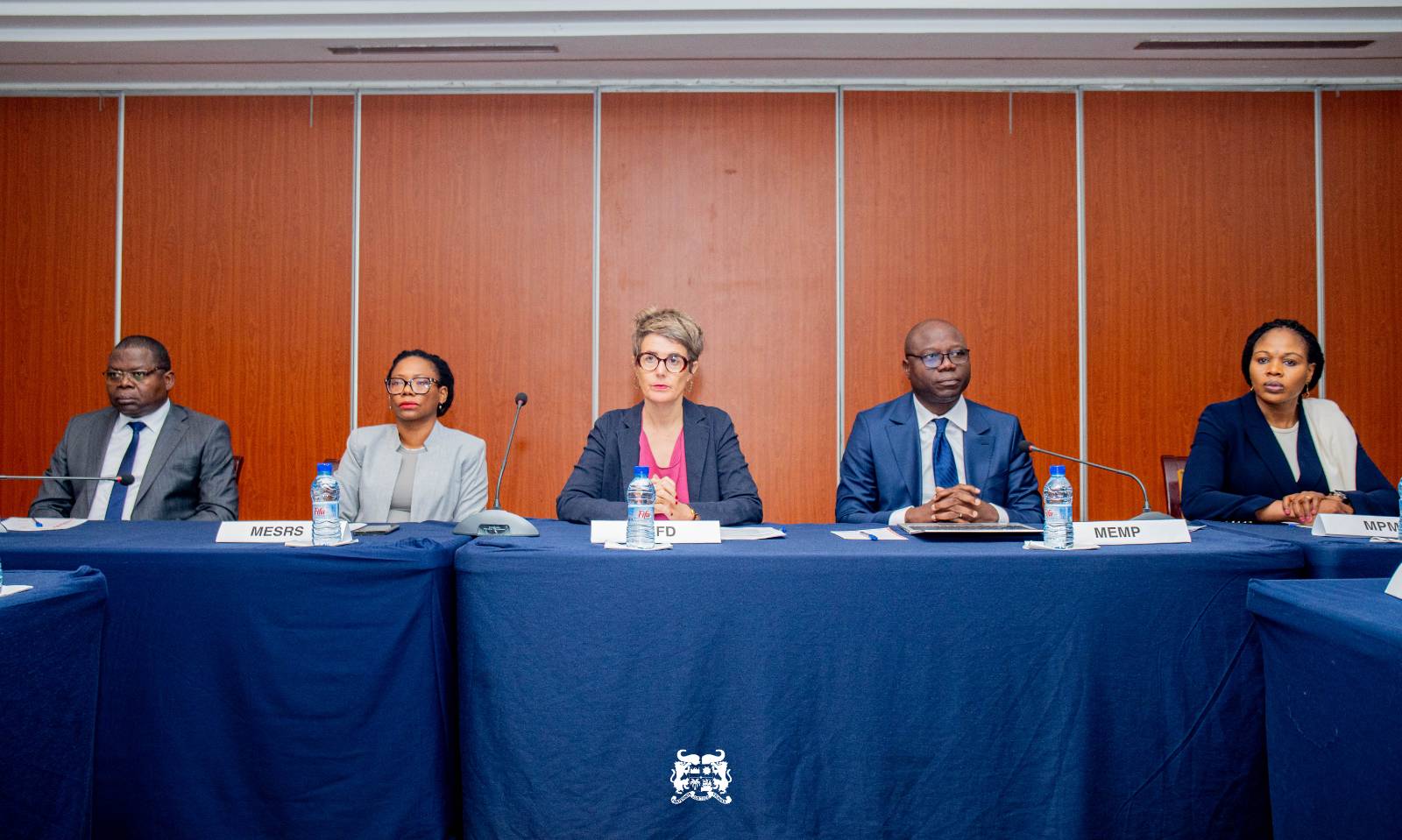
The workshop’s official launch on June 22 drew an unprecedented gathering of key stakeholders. Nearly all ministers responsible for Benin’s education sectors attended, demonstrating the reform’s cross-cutting importance. From early childhood and primary education to secondary, higher education, technical training, and professional development, every learning pathway was represented.
Joining the ministers were representatives from the National Education Council (CNE) and Madame Laure Weisgerber, Director of the French Development Agency (AFD), who leads the technical and financial partners supporting this initiative. This collective mobilization signals Benin’s commitment to dismantling traditional bureaucratic silos, shifting from isolated reforms to a unified, inclusive national dialogue.
Curriculum revision: reflecting societal aspirations
During the opening ceremony, Wilfried Guezodjè, Permanent Technical Secretary of the Sectoral Education Plan (PSE), outlined the philosophical and technical foundations of the reform. Far from a mere administrative task, this curriculum overhaul touches the very core of national identity and citizenship.
The curriculum isn’t just a teaching document—it’s a reflection of the society we choose to build for our children. It determines what they learn and, more importantly, the kind of citizens they will become.
Guezodjè described the process as “demanding yet hopeful,” emphasizing the collective ambition to equip every Beninese child with the skills for personal fulfillment and future employability. The challenge lies in balancing local relevance with international quality standards.
Breaking silos: the need for a unified vision
Minister Armand Kuyema Natta, leading the education ministers, delivered a candid assessment of past reforms. While previous efforts updated primary and secondary programs, they lacked coordination. “Isolated program overhauls, no matter how thorough, fall short,” he stated. “For the system to work, a child leaving primary school must transition seamlessly to secondary, and a high school graduate must enter university with the necessary prerequisites.” This workshop aims to address these gaps by establishing a cohesive National Curriculum Framework as the guiding principle across all education levels.
International partners reaffirm support for transformative reform
The scale of this transformation requires robust, long-term partnerships. Madame Laure Weisgerber, AFD Director, reaffirmed her institution’s unwavering commitment to Benin’s education reform. Technical and financial partners see this as a structural reform with the potential to maximize the impact of education investments. By aligning programs with real labor market needs—especially in technical and vocational training—the reform positions Benin to combat youth unemployment and spur economic growth.
A new social contract for Benin’s future
The Cotonou workshop, concluding on June 26, marks a decisive step toward a renewed social contract between the state, educators, families, and learners. Rather than rushing piecemeal changes, Benin is prioritizing coherence and inclusivity in its education system. While implementation challenges remain, the political will demonstrated this week—backed by international partners—signals a promising future for Beninese schools. The goal? A more unified, equitable, and forward-looking education system for generations to come.
Comments are closed, but trackbacks and pingbacks are open.