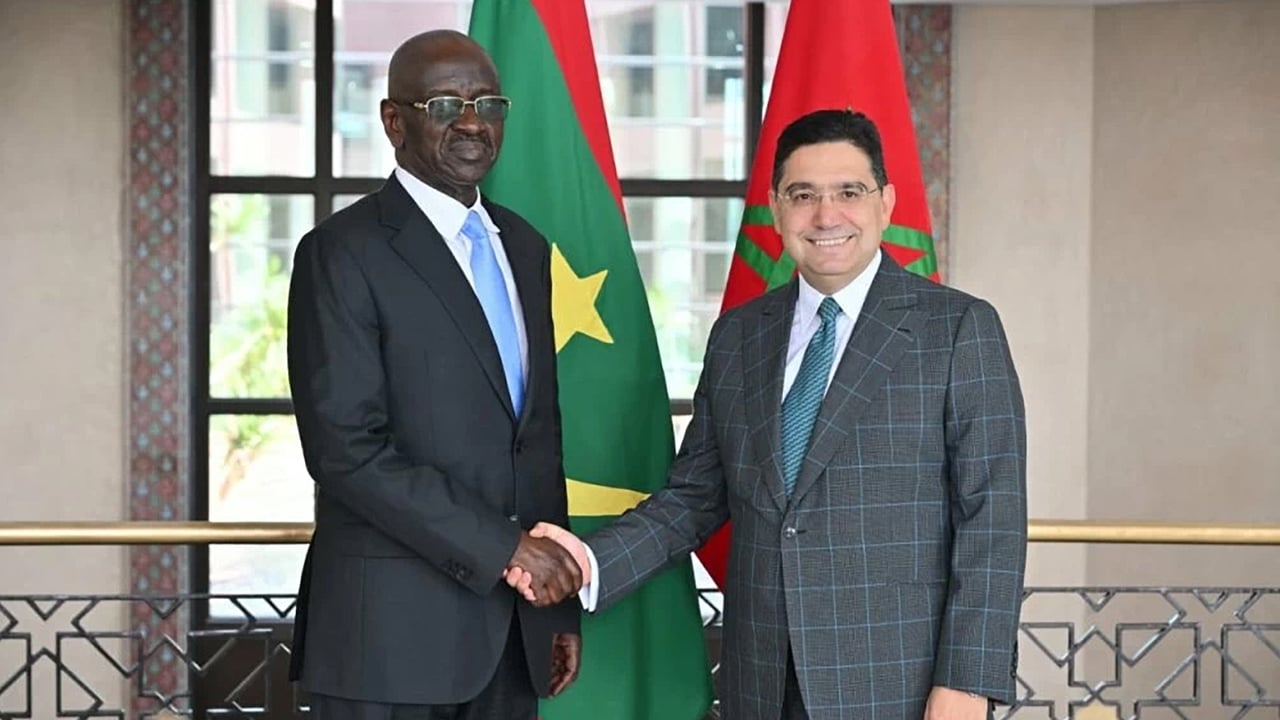

Diplomatic shadows cast over Dakar
In the bustling corridors of Dakar’s diplomatic circles, a familiar tension has resurfaced, this time centered on the long-standing dispute over the Western Sahara. The issue, which has lingered for decades, has once again taken center stage in regional discussions, drawing attention from key African stakeholders.
The recent exchanges between Morocco and Mauritania have reignited debates about sovereignty, territorial integrity, and the role of external actors in shaping the region’s geopolitical landscape. Observers note that the conversations, though not yet formalized, signal a renewed sensitivity to the topic among policymakers.
Historical grievances resurface
The roots of this dispute trace back to the mid-20th century, when the Western Sahara, a former Spanish colony, declared independence. The conflict has since pitted the Polisario Front, which advocates for an independent state, against Morocco, which considers the territory an integral part of its kingdom. Mauritania, though less vocal in recent years, remains a key player due to its geographical proximity and historical ties to the region.
Diplomatic observers in Dakar suggest that the timing of these discussions is no coincidence. With Africa’s political landscape evolving rapidly, the Western Sahara issue has once again emerged as a litmus test for continental solidarity and the effectiveness of regional organizations like the African Union.
Regional implications
The revival of this long-standing issue comes at a critical juncture for West Africa. As countries in the region grapple with economic challenges, security threats, and shifting alliances, the Western Sahara dispute serves as a reminder of the complex web of historical and political relationships that continue to shape the continent’s future.
For policymakers in Dakar, the discussions underscore the need for a nuanced approach—one that balances national interests with the broader goals of regional stability and cooperation. Whether these talks will lead to tangible progress remains uncertain, but the fact that they are happening at all suggests that the issue is far from resolved.
Looking ahead
The coming months will be crucial in determining whether these diplomatic exchanges can translate into meaningful action. With the eyes of the continent watching, the stakes could not be higher. For now, the shadow of the Western Sahara continues to loom large over Dakar’s diplomatic landscape, a stark reminder of the challenges that lie ahead for Africa’s political leaders.
Comments are closed, but trackbacks and pingbacks are open.