
Morocco has activated emergency protocols along its southern borders as Ceuta faces an unprecedented migrant influx, straining local resources and humanitarian aid networks. Authorities in Rabat have pledged to deploy all necessary measures to restore order and prevent further irregular crossings into the Spanish enclave.
Border reinforcements and humanitarian response
The surge of arrivals has overwhelmed Ceuta’s reception centers, prompting urgent calls for coordinated action. Moroccan border guards have intensified patrols along the Fence of Ceuta, a heavily fortified barrier separating the territory from mainland Africa. Simultaneously, humanitarian organizations are providing essential supplies, including food, water, and medical assistance, to those stranded in transit zones.
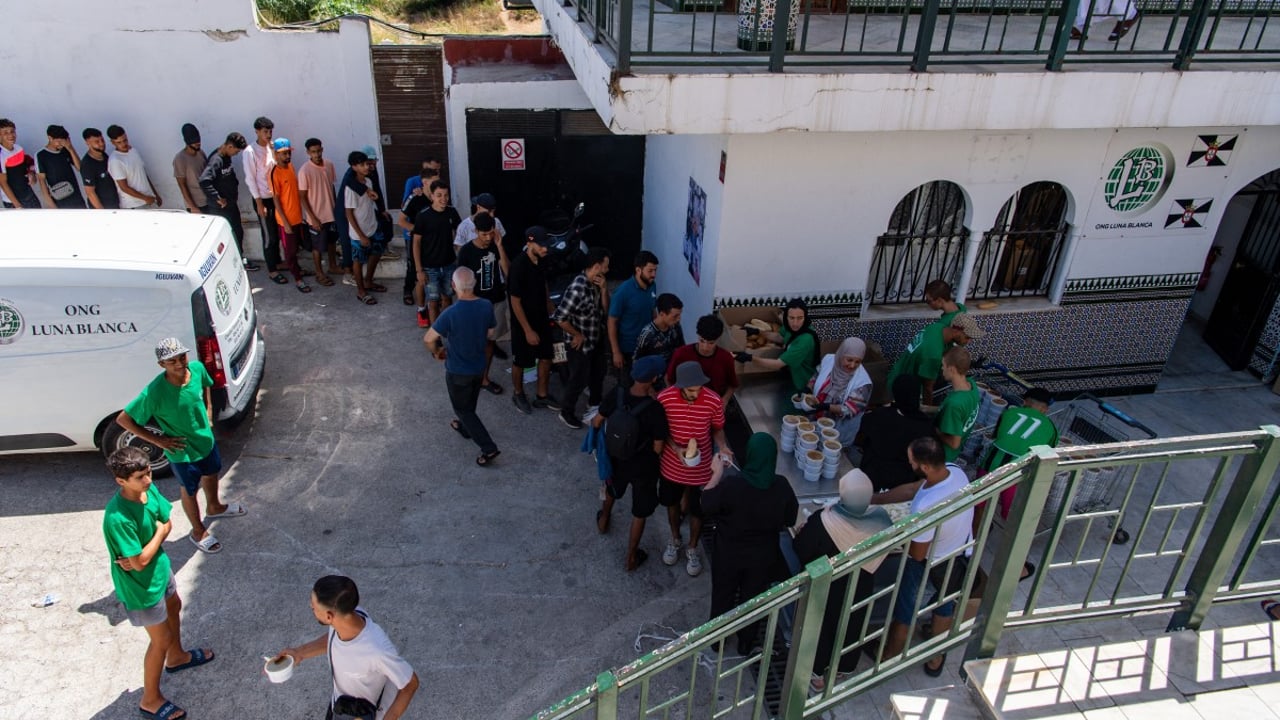
Aid workers report that the situation remains volatile, with daily arrivals fluctuating unpredictably. The Luna Blanca NGO, active in the region, has ramped up operations to distribute meals and shelter to vulnerable groups, including women and children.
Diplomatic tensions and regional implications
The migrant crisis has reignited debates over Euro-African cooperation on migration management. While Morocco asserts its commitment to preventing irregular migration, European officials urge greater investment in long-term solutions to address root causes in countries of origin.
Analysts warn that without sustained international support, the strain on Ceuta’s infrastructure could lead to humanitarian setbacks. Political leaders in both Morocco and Spain are engaged in high-level discussions to align their strategies and mitigate the crisis.
Short-term measures and long-term challenges
- Enhanced surveillance: Morocco has deployed additional surveillance drones and ground patrols to monitor border activities closely.
- Temporary reception facilities: Tent camps have been erected near Ceuta to accommodate new arrivals while assessments are conducted.
- Bilateral consultations: Spanish and Moroccan officials are negotiating a joint action plan to improve border security and streamline asylum procedures.
The crisis underscores the urgent need for a comprehensive migration policy that balances border control with humanitarian imperatives. As the situation evolves, all eyes remain on Ceuta, where the fate of thousands hangs in the balance.
Comments are closed, but trackbacks and pingbacks are open.