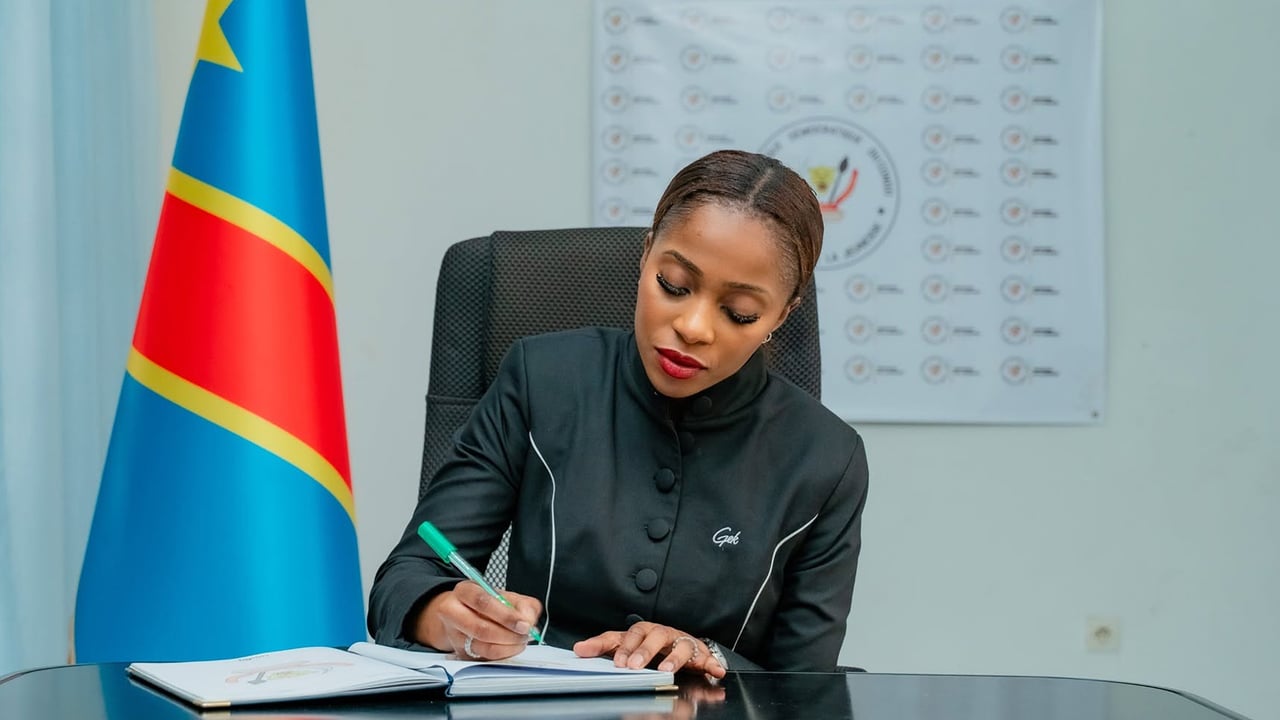
In the heart of Kinshasa’s political corridors, Minister Grâce Kutino’s recent statements on the constitutional reform debate have ignited fresh discussions. As the head of the Ministry of Youth and Patriotic Awakening, her words carry weight, but do they truly reflect the official stance of the Democratic Republic of the Congo’s government?
The ongoing constitutional revision process has become a focal point of national discourse, with citizens and political observers closely scrutinizing every declaration. Minister Kutino’s intervention, delivered with conviction, has raised questions about alignment between her position and broader government policies.
Constitutional reforms: a pivotal moment for the DRC
The proposed amendments to the constitution represent one of the most significant political developments in recent years. These changes could reshape the country’s governance framework, influencing everything from institutional powers to citizen rights. As debates intensify, the clarity of the government’s position remains a subject of intense speculation.
Minister Kutino’s remarks, particularly her emphatic “Yes, I do” in response to questions about the reforms, have been interpreted by some as an endorsement of the proposed changes. However, the nuances of her language and the context of her statements suggest a more layered interpretation may be necessary.
Analyzing the minister’s statements
During a press briefing, Minister Kutino addressed the constitutional debate with unwavering clarity. Her choice of words, including the phrase “Yes, I do,” was deliberate, signaling a personal conviction rather than an outright government endorsement. This distinction is crucial in understanding the true nature of her remarks.
The minister’s role as a government spokesperson is not explicitly defined in her portfolio, leaving room for interpretation. While she holds significant influence within the administration, her statements may not always mirror the collective stance of the executive branch. This ambiguity fuels ongoing speculation about the government’s unified position on the reforms.
Public and political reactions
The DRC’s political landscape is deeply divided on the constitutional amendments, with opinions ranging from full support to outright opposition. Minister Kutino’s declarations have added fuel to the fire, prompting reactions from both allies and critics of the government.
Civil society groups have called for greater transparency, urging officials to clarify whether the minister’s statements reflect a broader consensus. Meanwhile, political analysts highlight the need for cohesive messaging from the administration to avoid misinterpretation and maintain public trust.
What’s next for the constitutional debate?
The coming weeks will be critical in determining the trajectory of the constitutional reform process. With the government yet to issue an official, unified statement, all eyes remain on Minister Kutino and her colleagues.
The outcome of this debate will have far-reaching implications for the DRC’s political future, shaping the balance of power and the rights of its citizens. As discussions evolve, the clarity of the government’s position will be a defining factor in the nation’s path forward.
Comments are closed, but trackbacks and pingbacks are open.