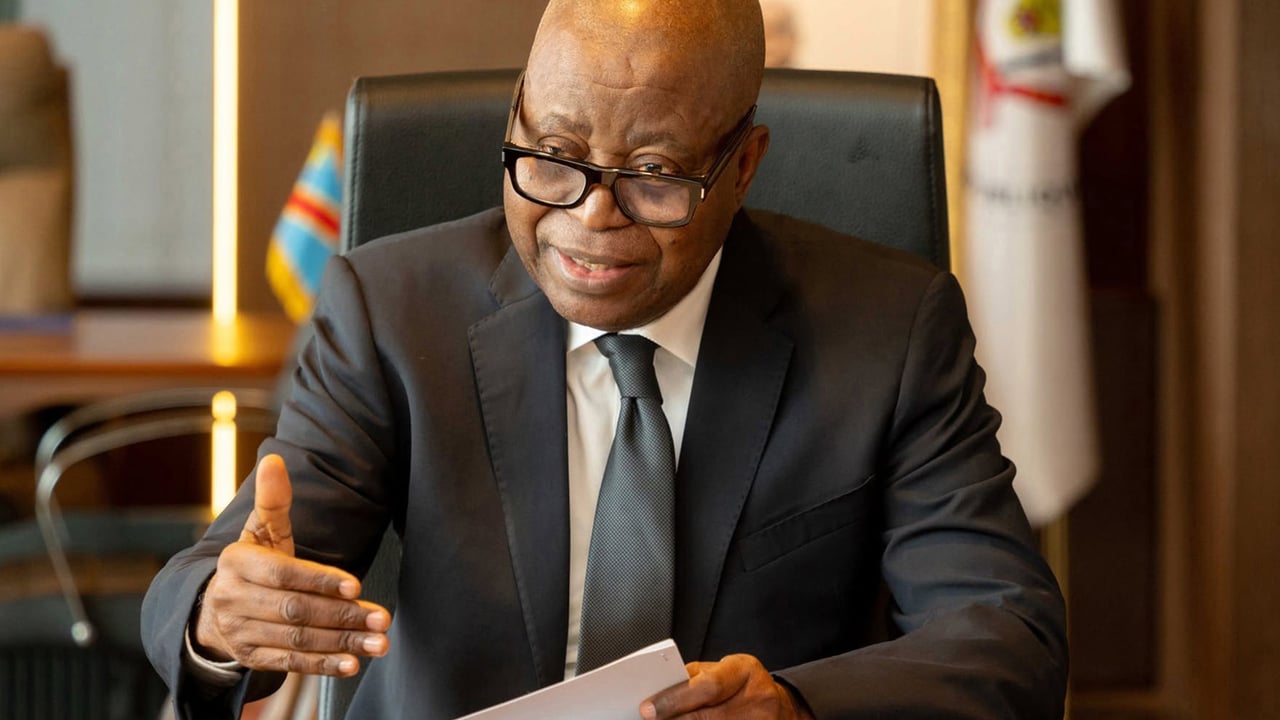
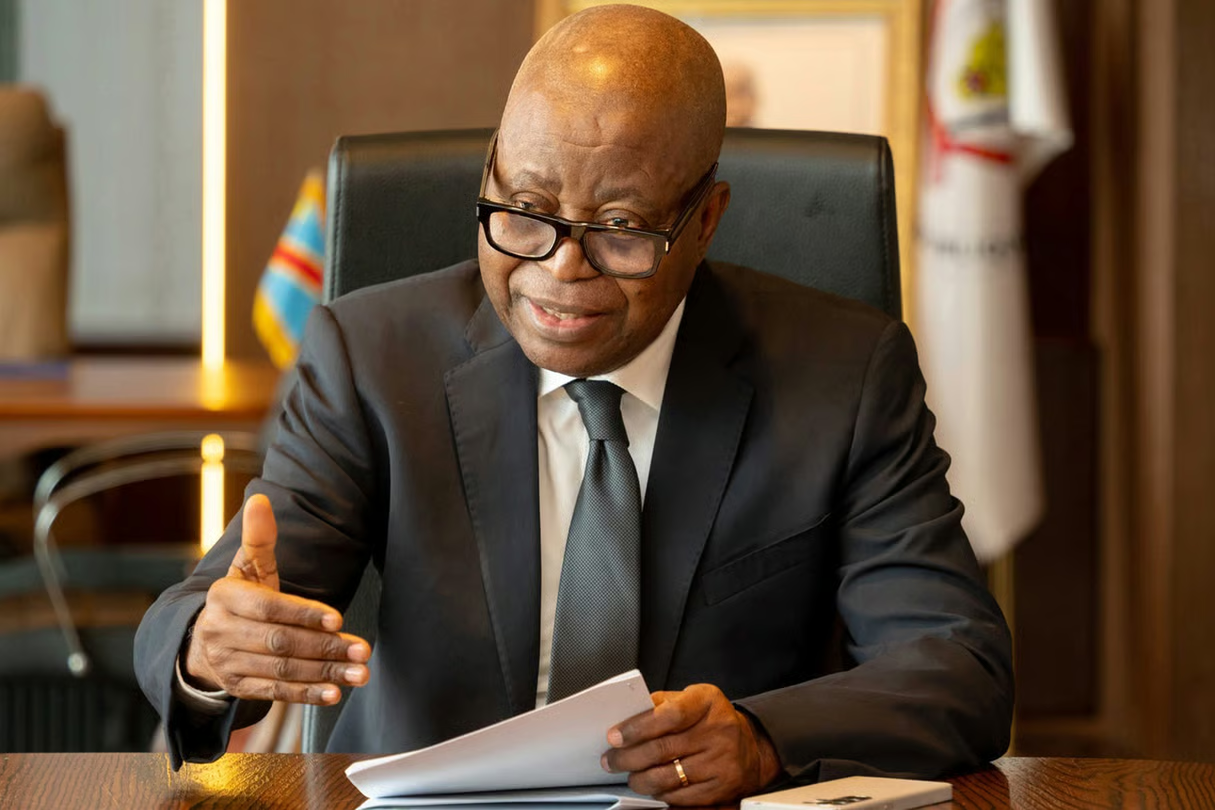
DRC’s economic transformation: Adolphe Muzito outlines Tshisekedi’s 2035 ambitions
In a bold declaration from the heart of Kinshasa, Adolphe Muzito, Deputy Prime Minister and Budget Minister of the Democratic Republic of the Congo (DRC), has painted a vivid picture of the country’s economic future. Speaking with conviction, Muzito asserted that by 2035, under the leadership of President Félix Tshisekedi, the DRC will ascend to become the third-largest economy in sub-Saharan Africa.
Steady progress and strategic reforms
The vision Muzito presented is not one of distant fantasy but of deliberate, calculated steps. He highlighted a series of economic reforms and infrastructure projects already underway, positioning the DRC as a rising force in the continental economy. “The groundwork is being laid today,” he emphasized, pointing to initiatives aimed at diversifying the economy beyond its traditional reliance on mining.
Key sectors driving growth
The DRC’s economic transformation hinges on unlocking the potential of several critical sectors:
- Agriculture: With vast arable land, the country is poised to become a breadbasket for Africa, reducing dependency on food imports and boosting exports.
- Energy: Hydropower and renewable energy projects are scaling up, aiming to electrify rural areas and power industrial growth.
- Industrialization: The government is fostering local industries to add value to raw materials, shifting from exporting unprocessed minerals to manufacturing finished goods.
- Digital economy: Investments in technology and digital infrastructure are creating new opportunities for innovation and entrepreneurship.
A regional economic powerhouse
Muzito’s forecast places the DRC in direct competition with Africa’s economic giants like Nigeria and South Africa. The country’s vast natural resources—cobalt, copper, and diamonds—remain central to this ambition, but the focus is increasingly on sustainable development and inclusive growth. “We are not just leveraging our resources; we are redefining how they contribute to our nation’s prosperity,” he noted.
Challenges and opportunities
While the outlook is optimistic, the path to 2035 is not without hurdles. Muzito acknowledged the need for robust governance, anti-corruption measures, and improved business environments to attract foreign investment. Yet, he expressed confidence that the DRC’s young and dynamic population will play a pivotal role in driving innovation and productivity.
As the DRC embarks on this ambitious journey, the world watches closely. If successful, the country could emerge as a model for economic transformation in sub-Saharan Africa, offering lessons in resilience, strategic planning, and inclusive development.
Comments are closed, but trackbacks and pingbacks are open.