Exclusive military ties with Moscow yield limited security gains
The governments of Mali, Burkina Faso, and Niger have doubled down on their military collaboration with Russia, framing it as a path to restored sovereignty and an end to reliance on former Western partners. Yet, the harsh reality on the ground tells a different story—violence has not abated, and civilians bear the heaviest burden.
A security gamble that falls short
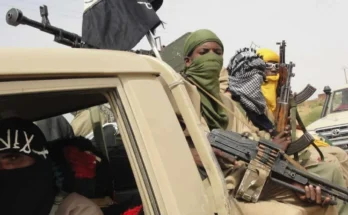
When the Alliance of Sahel States (AES) severed ties with Western nations in favor of Russian support, the promise was clear: faster, more effective responses to armed groups. Today, that promise remains largely unfulfilled. Despite an influx of Russian military equipment, drones, and advisory forces, terrorist attacks persist. Military outposts are frequently targeted, villages remain under siege, and thousands continue to flee their homes in search of safety.
Data from ACLED reveals a stark trend: in 2025 alone, over 10,000 lives were lost to political violence across the three nations, cementing the Sahel as one of the world’s deadliest conflict zones.
Humanitarian fallout deepens as insecurity spreads
The crisis has evolved beyond mere violence, morphing into a full-blown humanitarian emergency. According to UNHCR figures, more than five million people have been displaced across the Sahel, their lives uprooted by relentless insecurity. Schools shutter in affected areas, depriving children of education, while healthcare access dwindles in the most volatile regions.
Each new attack triggers fresh waves of displacement, abandoned settlements, and paralyzed local economies. The cycle of violence shows no signs of easing, leaving communities in a state of perpetual crisis.
The financial toll of endless conflict
The war’s economic strain is unrelenting. Governments divert ever-larger portions of national budgets toward military spending, purchasing advanced weaponry and sustaining security operations. Meanwhile, critical sectors—healthcare, education, agriculture, and infrastructure—languish underfunded.
The longer the conflict drags on, the sharper the choice becomes: prioritize the war effort or invest in long-term stability. So far, the scales tip heavily toward the former.
A growing dependence on Moscow
The alliance with Russia has not only failed to curb violence but has also deepened the Sahel’s reliance on external support. As attacks intensify, governments find themselves compelled to seek more Russian assistance—more weapons, more training, more troops. This dependency raises a critical question: can a strategy that demands ever-increasing foreign intervention truly be called sovereign?
Russia’s strategic gains amid persistent chaos
For Moscow, the partnership has been a geopolitical windfall. Each new military agreement strengthens its diplomatic foothold in Africa. Arms shipments embed Russian influence deeper into the region, while security pacts expand its network of allies—particularly in areas rich in natural resources like gold and uranium.
The Kremlin’s influence now extends beyond the military sphere, seeping into politics, economics, and even information control. The Sahel has become a linchpin of Russia’s broader African strategy.
Political victory over military success?
The juntas’ original goal was simple: restore security swiftly. Yet, years into their exclusive alliance with Russia, the human cost remains staggering. Attacks continue unabated, civilians live in perpetual fear, and displacement figures climb. This is not to say Russia alone is to blame—this conflict is a decades-old, multifaceted crisis fueled by politics, economics, and communal tensions.
But the hard truth lingers: if this partnership was supposed to be the definitive solution to terrorism, why do civilians continue to pay the highest price? As the violence drags on, one reality becomes undeniable—the Sahel’s people are the first victims of a war that shows no sign of ending. While families mourn their dead and villages empty out, Moscow’s strategic footprint in the region grows ever stronger.
The paradox is clear: the longer the conflict festers, the more indispensable Russia becomes to the region’s military regimes—even as its tangible benefits for public safety remain painfully unclear.