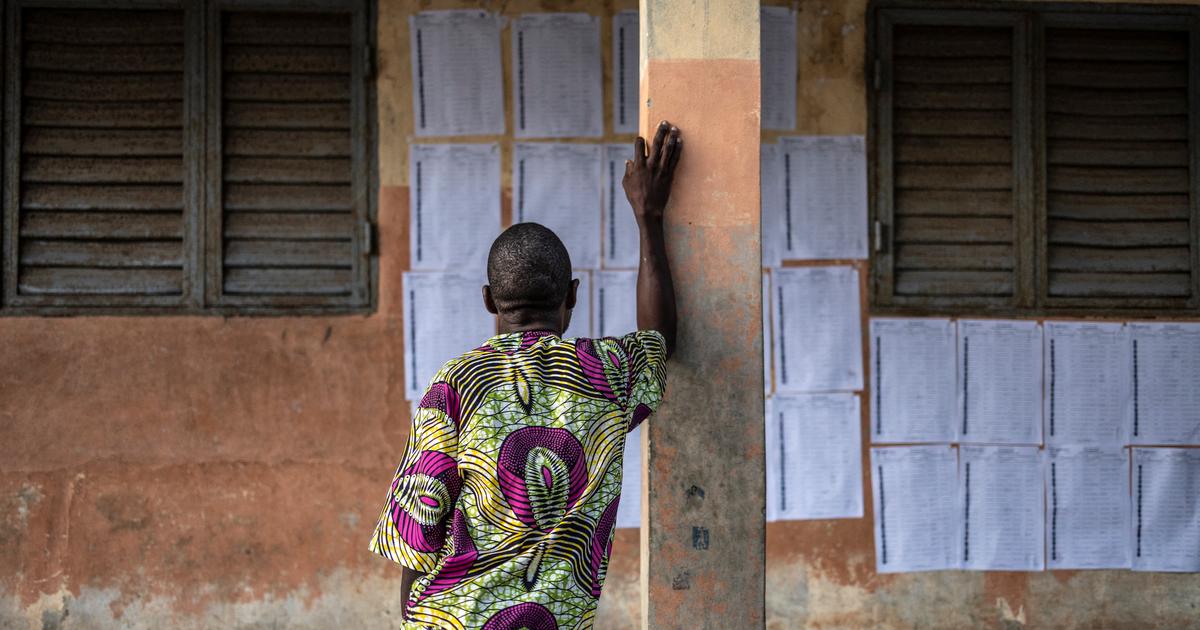
“Predictable elections,” “uncontested polls,” “incumbents winning in the first round.” Africa’s 2025 presidential elections followed a troubling pattern: opposition candidates were systematically sidelined before campaigns even began. The most recent cases—Djibouti on April 10 and Benin on April 12—exemplify this trend. In Djibouti, incumbent President Ismaïl Omar Guelleh secured a sixth term with 97.8% of votes, while in Benin, Romuald Wadagni—handpicked successor to Patrice Talon—claimed 94% of ballots. These landslide victories left little room for meaningful competition.
In Djibouti, opposition leader Alexis Mohamed abandoned his candidacy after citing insurmountable barriers. While he mentioned safety concerns, the “crushing financial burden” of nomination fees proved the decisive obstacle. Independent observers now describe the election as a “purely ceremonial exercise,” stripped of real political rivalry.
When money seals elections
This issue is not isolated. Across Africa, exorbitant campaign costs have become a systemic tool to exclude opposition forces. Candidates face fees that dwarf local incomes, effectively pricing them out of the race. In Benin, for instance, the steep price of paperwork and public campaign permits creates an invisible barrier long before ballots are cast. The result? Elections where incumbents face no credible challengers, undermining democratic legitimacy.
What this means for African democracy
The pattern raises urgent questions about electoral fairness. If candidates cannot afford to run, elections lose their purpose: to reflect the will of the people. The phenomenon spans multiple nations, from Djibouti to Benin, suggesting a coordinated strategy to silence dissent under the guise of administrative procedures.