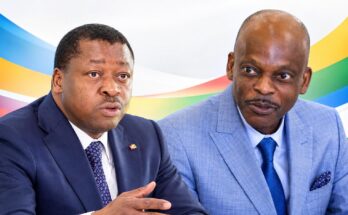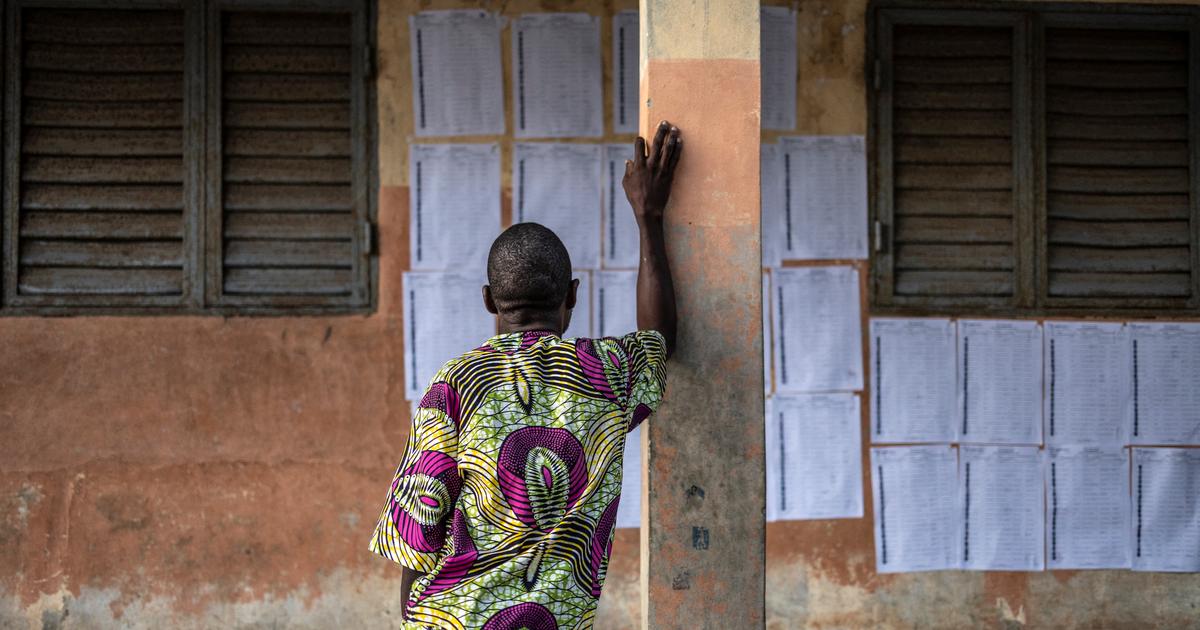
“Rigged contests”, “predictable outcomes”, “first-round sweeps.” The 2025 presidential elections across Africa were defined by a clear pattern: opposition forces were systematically sidelined before campaigns even began. The most recent examples came in early April 2026, when Djibouti held its vote on the 10th and Benin followed two days later. In Djibouti, incumbent President Ismaïl Omar Guelleh secured a sixth term with a staggering 97.8% of ballots—an unchallenged landslide. In Benin, technocrat Romuald Wadagni, handpicked successor to Patrice Talon, claimed victory with 94% support. Both elections unfolded with minimal opposition presence.
Financial barriers block the path to power
In Djibouti, aspiring opposition candidate Alexis Mohamed abandoned his bid after citing insurmountable hurdles. While he raised concerns about personal safety, the decisive obstacle was the exorbitant nomination fees imposed on presidential hopefuls. Election watchers described the vote as a “purely ceremonial exercise”, devoid of genuine competition.
This pattern isn’t unique to Djibouti. Across the continent, prospective candidates face crippling financial barriers long before voters enter polling stations. The cost of securing a spot on the ballot often exceeds the resources of opposition leaders, effectively shutting them out of the process. As one analyst noted, “The highest bidder doesn’t just win votes—they win the right to run.”
Such mechanisms raise serious questions about democratic integrity. When financial gatekeeping replaces political competition, elections risk becoming mere formalities rather than meaningful exercises in representation. The result? A cycle of one-sided victories that reinforce the status quo.