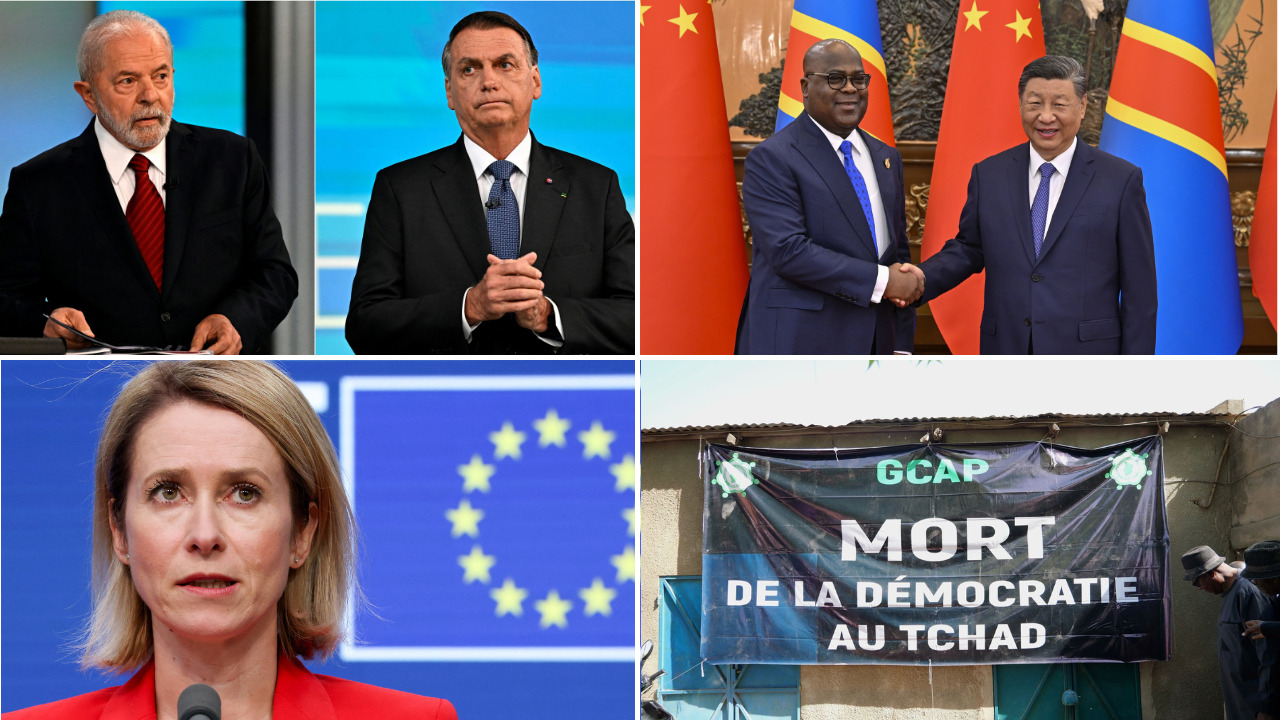
The Chad political landscape is under intense scrutiny as recent court rulings have reshaped the future of the Groupement des Cadres et Associations Professionnelles (GCAP). With eight senior figures now facing legal consequences, many are questioning what lies ahead for this influential coalition.
Understanding the GCAP and its current challenges
Established to advocate for professional and civic rights, the GCAP has played a pivotal role in Chad’s socio-political dialogue. However, the recent convictions of its leadership—handed down following a high-profile legal case—have cast a shadow over its operations and raised concerns about its continued relevance.
The ruling has sparked a wave of reactions among political analysts and civil society leaders. Some view it as a necessary step toward accountability, while others warn of potential repercussions on the coalition’s ability to mobilize support and influence policy decisions.
Key questions surrounding the GCAP’s future
As Chad navigates this period of uncertainty, several critical questions emerge:
- What will become of the GCAP’s leadership vacuum? With eight of its most prominent members facing penalties, the coalition must address a significant leadership gap that could hinder its advocacy efforts.
- How will the convictions impact the GCAP’s alliances? The coalition’s partnerships with other civil society groups and political entities may face strain, potentially altering its strategic direction.
- What legal and political strategies will the GCAP employ? The coalition’s response to these challenges will determine whether it can regain momentum or fade into the background of Chad’s political scene.
- Will public support for the GCAP endure? The outcome of this crisis could sway public opinion, either strengthening or weakening the coalition’s grassroots backing.
Expert perspectives on the GCAP’s path forward
Political analysts emphasize that the GCAP’s future hinges on its ability to adapt and regroup. “The convictions present a turning point for the coalition,” notes one observer. “Its next steps will reveal whether it can transform adversity into an opportunity for renewal.”
Meanwhile, legal experts highlight the broader implications of the case, suggesting it may set a precedent for how similar organizations are treated under Chad’s legal framework. This underscores the need for clarity on the legal boundaries governing civil society activities.
What’s next for the GCAP and civil society in Chad?
The coming months will be decisive for the GCAP and Chad’s broader civil society landscape. Stakeholders are closely monitoring developments, from potential leadership transitions to shifts in public sentiment. As the coalition grapples with these challenges, its actions will shape not only its own fate but also the trajectory of civic engagement in Chad.
Comments are closed, but trackbacks and pingbacks are open.