The Gabonese government is steering a nationwide dialogue on the National Marine Zoning Plan, a strategic initiative aimed at balancing ecological preservation with economic development along its Atlantic coastline. Teams from the Ministry of the Blue Economy are traversing coastal provinces to present the draft plan, which outlines how Gabon intends to safeguard its marine biodiversity while supporting traditional livelihoods.
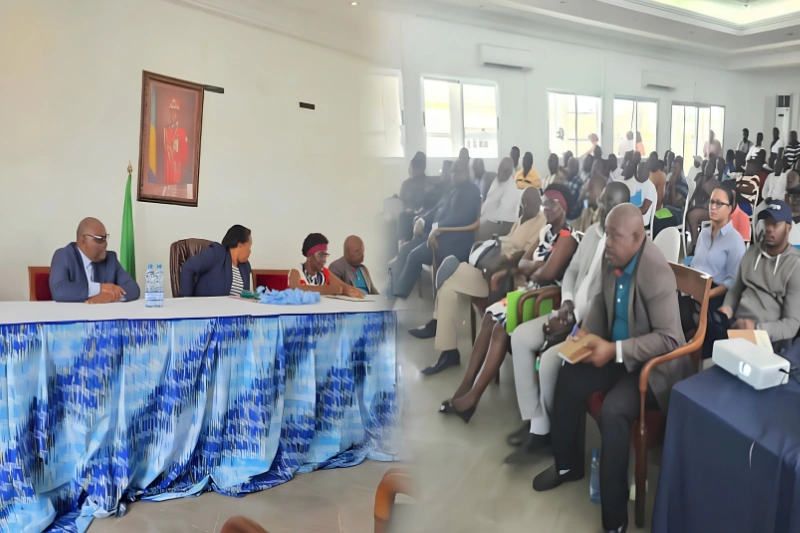
In Port-Gentil, local fishermen and women engaged in artisanal fishing were invited to share their insights on the proposed zoning. This consultation is part of the broader “Blue Obligations” program, a pioneering financial mechanism that positions Gabon as a global leader in marine conservation funding. The discussions focused on identifying critical habitats—such as mangroves and coral reefs—that require protection, while ensuring sustainable access to fishing grounds for communities dependent on the sea.
Collaborative approach for sustainable marine management
A central goal of the consultations is to achieve a consensus-based delimitation of marine protected areas. The finalized zoning plan will then be submitted to national authorities for official endorsement before implementation. Experts are currently mapping key zones, including traditional fishing grounds, migratory corridors for marine species, and climate-resilient areas in the Estuary, Nyanga, and Ogooué-Maritime provinces.
By integrating scientific data with local knowledge, the plan seeks to create a balanced framework that prevents overfishing, preserves endangered species, and supports the economic activities of coastal populations. The initiative reflects Gabon’s commitment to the Blue Economy model, which prioritizes long-term sustainability over short-term exploitation.