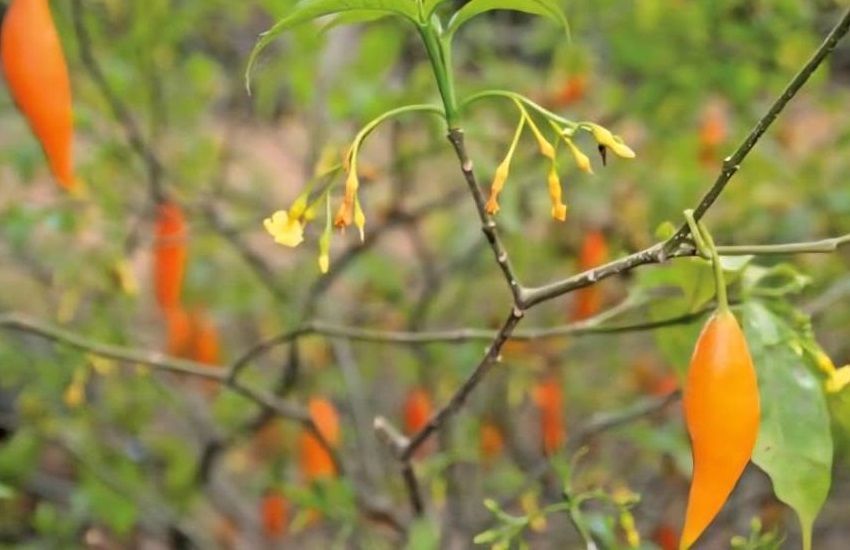
Libreville, Gabon – The Gabonese government has taken a decisive step to control access to the sacred iboga plant by requiring state authorization for any related activity, marking a new chapter in the global battle over cultural and biological resources.
For centuries, iboga has been a spiritual cornerstone of Gabon’s Bwiti initiation communities. Now, the plant enters a new era. With a decree issued on May 22, 2026, all activities involving iboga, its derivatives, or associated traditional knowledge now require prior approval from the Ministry of Culture, following a recommendation from an interministerial technical committee. This is far more than an administrative change—it is a statement of national sovereignty, intellectual property control, and strategic resource management.
The decree, officially numbered 0239/PR/MJSRCAVA, applies to Gabonese citizens and foreign operators alike. It covers scientific research, processing, commercial exploitation, and even the use of traditional knowledge related to the plant. This move comes as iboga draws growing international interest for its potential in treating addiction and psychological disorders, with laboratories in the United States, Europe, and Asia ramping up studies on ibogaine, its primary alkaloid. Facing surging global demand, Gabonese authorities fear uncontrolled appropriation of a plant that symbolizes the nation’s cultural identity.
A sacred plant becomes a global stake
Few contest the need for stricter regulation. For decades, the absence of clear rules allowed unlicensed exploitation, often sidelining the traditional communities that have safeguarded iboga for generations. The new legal framework aligns with a broader trend across Africa, where states are moving to protect genetic resources and ancestral knowledge from biopiracy. Yet the core challenge remains enforcement. Iboga is not just a crop or a natural resource; it is central to spiritual practices deeply woven into Gabonese society. Hundreds of initiators, healers, and religious leaders use it daily in settings far from administrative oversight.
In remote provinces where traditions are strongest, the state’s presence is often limited. The real test of the reform will be the ability of government agencies to identify, monitor, and support all stakeholders involved. Striking the right balance is critical. Too rigid an approach could alienate the very communities that preserved iboga; too lenient an enforcement might perpetuate the abuses the decree aims to stop.
Strategic choice for the future
Beyond operational hurdles, the decree reveals a broader vision. Gabon no longer wishes to be merely a supplier of raw biological or cultural materials. It now intends to control access to its strategic resources and capture more value from their use. This logic mirrors the country’s recent efforts in timber, minerals, and biodiversity—strengthening local processing and protecting national interests. The success of the iboga reform will hinge on a delicate equilibrium. One thing is clear: iboga has transcended its role as a sacred plant. It is now a strategic asset for cultural and economic sovereignty. By reclaiming control, Libreville sends a firm message: the era of Africa’s riches flowing out without framework or compensation is gradually ending.