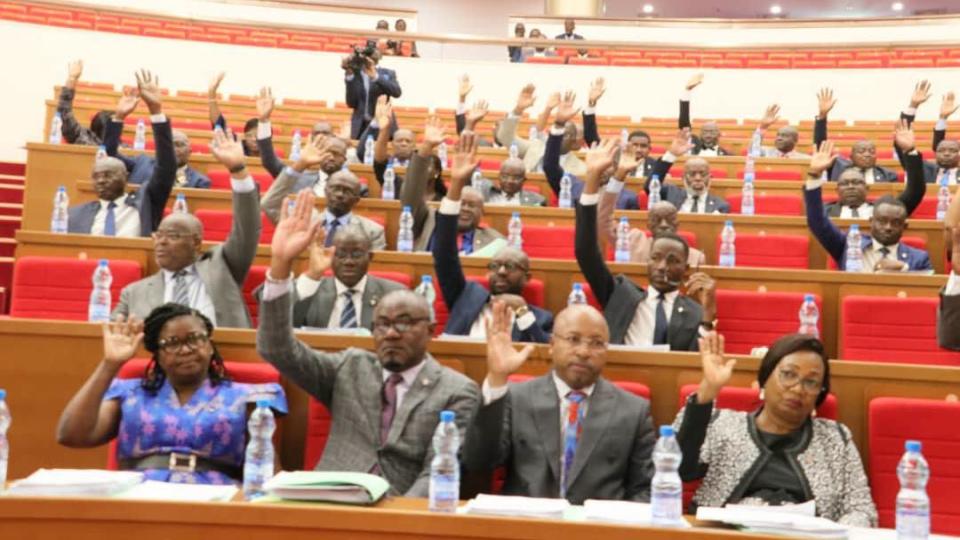
Legislative activity reached a peak this Saturday, June 20, 2026, at the Palais Léon-Mba. Under the guidance of the institution’s president, Michel Régis Onanga M. Ndiaye, deputies gathered for a plenary session to process a substantial volume of legislative texts. Attended by several government ministers who came to support their respective portfolios, the session delivered a powerful political message: the unanimous adoption of 18 bills.
The approved texts cover highly strategic sectors and reflect a commitment to the deep modernization of state structures under the Vème République. A key highlight of this legislative push was the ratification of the January 29, 2026, ordinance on electronic archiving, marking a vital step toward the digital transition of the Gabon administration.
In addition to digital updates, the National Assembly confirmed the reorganization of the Haute Autorité de la Communication (HAC) and addressed fundamental issues impacting daily life, specifically the reform of the Code de la nationalité and the revision of land property regulations. This new legal framework aims to secure the rights of the population while enhancing the business environment for investors.
A stronger institutional synergy
Moving beyond political divides, the debates within the chamber were notably intense and productive. Following the vote, the Executive branch commended the sense of responsibility displayed by the national representatives. This renewed harmony between the government and Parliament highlights a shared ambition to strengthen the rule of law and implement the structural reforms that have been ongoing for nearly three years.
To ensure the success of this plenary, the leadership of the Assembly met earlier during the traditional Conference of Presidents to finalize the arrangements for this significant day.
End of session under high pressure
The legislative momentum shows no signs of slowing down for the deputies. With the close of the ordinary session approaching, the agenda remains heavily loaded. Eight more bills are already being processed by committees. These proposals will face rigorous scrutiny in ad hoc commissions before being submitted for a vote in the upcoming plenary session.
Comments are closed, but trackbacks and pingbacks are open.