Gabon pushes industrial transformation to boost economic growth
Libreville, June 24, 2026 — Gabon is shifting gears. Long known as a key exporter of oil, manganese, and raw timber, the nation is now determined to rewrite its economic narrative. The catalyst? A bold push toward industrialization, with the goal of turning natural wealth into domestic manufacturing power.
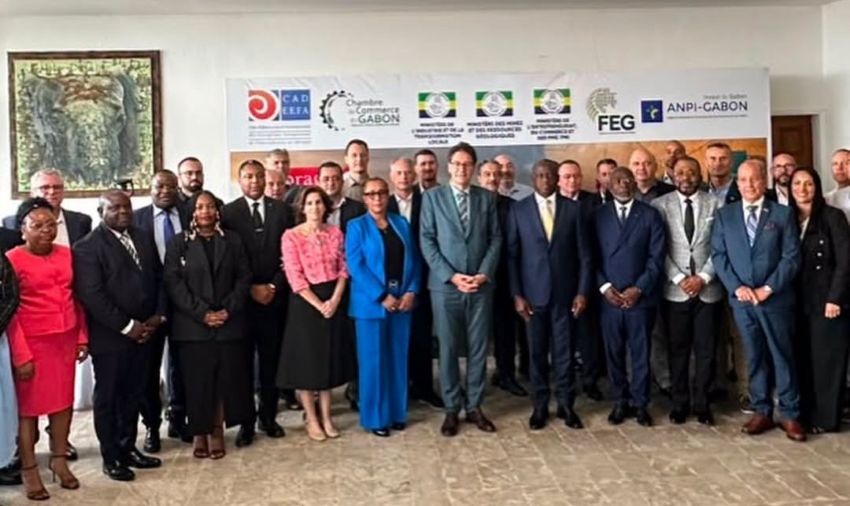
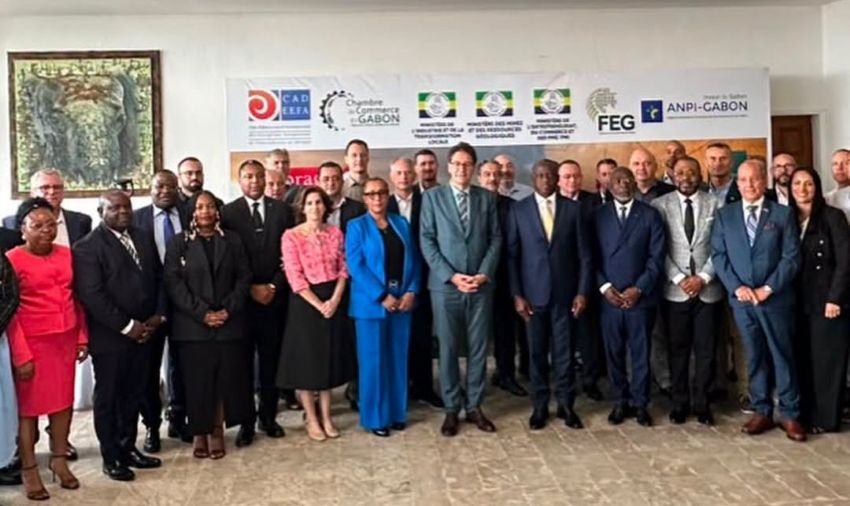
The recent Gabon Industry Meetings in Libreville, inaugurated by Vice President Hermann Immongault, underscored this strategic pivot. By convening investors from Europe, public officials, industrial leaders, and international partners, Gabon sent a clear signal: it is no longer content being a mere supplier of raw materials. The ambition is to evolve into a hub of production, value-added processing, and economic diversification.
This vision places Gabon at the forefront of a continental conversation: how can African nations leverage their natural endowments to build robust, self-sustaining industries? For decades, many resource-rich countries have exported commodities in their raw form—only to later import higher-value processed goods, siphoning off potential economic gains and skilled employment opportunities.
Breaking free from the raw material trap
Hermann Immongault made no bones about the stakes. Industrialization, he emphasized, is no longer optional—it is a strategic imperative for Gabon’s long-term prosperity. The government has already taken steps to dismantle barriers to productive investment, with the High Investment Council conducting thorough reviews of regulatory and operational bottlenecks. Promised reforms include enhanced legal security, streamlined business procedures, and expanded energy access, all designed to attract industrial capital and foster domestic production.
Gabon’s natural advantages are undeniable. Its mining reserves rank among Central Africa’s most significant, its timber resources are globally recognized, and its energy sector remains a regional backbone. The challenge now is to convert these assets into integrated industrial value chains that generate wealth and employment within the country’s borders.
Building an ecosystem for industrial success
The Ministry of Industry, led by Lubin Ntoumtoume, has outlined a multi-pronged roadmap. Priorities include regulatory modernization, administrative simplification, infrastructure upgrades, and workforce development. These efforts come at a pivotal moment, as global supply chains undergo major restructuring—creating opportunities for countries like Gabon to position themselves as reliable production platforms closer to emerging markets.
The presence of European investors at the industry forum reflects growing international interest in Gabon as a manufacturing destination. Diplomatic voices, including France’s ambassador to Gabon, have echoed the call for economic partnerships rooted in co-development rather than extractive models. The overarching goal is to forge a cohesive industrial ecosystem that bridges government, business, and education sectors—ensuring that Gabon’s workforce is equipped with the skills needed for a modern economy.
The moment of truth for Gabon’s industrial future
The Gabon Industry Meetings arrive at a defining crossroads. For years, the country has pursued reforms to reduce its dependence on raw material exports. A notable example is the ban on unprocessed timber exports, which spurred a flourishing local wood-processing industry, creating jobs and adding value. Authorities now aim to replicate this model across key sectors: mining, metallurgy, agro-industry, and service industries.
Upcoming site visits to Port-Gentil, Moanda, and Greater Libreville will showcase existing infrastructure and ongoing projects. Yet, the true test lies not in announcements, but in execution. Gabon’s ability to translate vision into reality will determine whether it becomes a model of industrial transformation—or remains trapped in the same cycle that has long constrained resource-rich nations.
The stakes could not be higher. The Gabon Industry Meetings are more than an economic gathering; they are a credibility test. Success would position Gabon as a leading African innovator in resource-based industrialization. Failure, however, would leave the nation grappling with the same challenges that have stifled development in other mineral-rich economies for generations.
Comments are closed, but trackbacks and pingbacks are open.