The revised budget table for Gabon’s 2025 financial law quietly reveals a significant adjustment—one that stands out far beyond any other fiscal correction. Corporate tax revenue from the mining sector has plummeted by 97%, dropping from 53.2 billion CFA francs to just 1.47 billion. This dramatic reduction translates to a staggering loss of 51.8 billion CFA francs, equivalent to nearly 80 million euros, in projected state income from a single tax category.
Budget revision challenges Gabon’s post-oil mining strategy
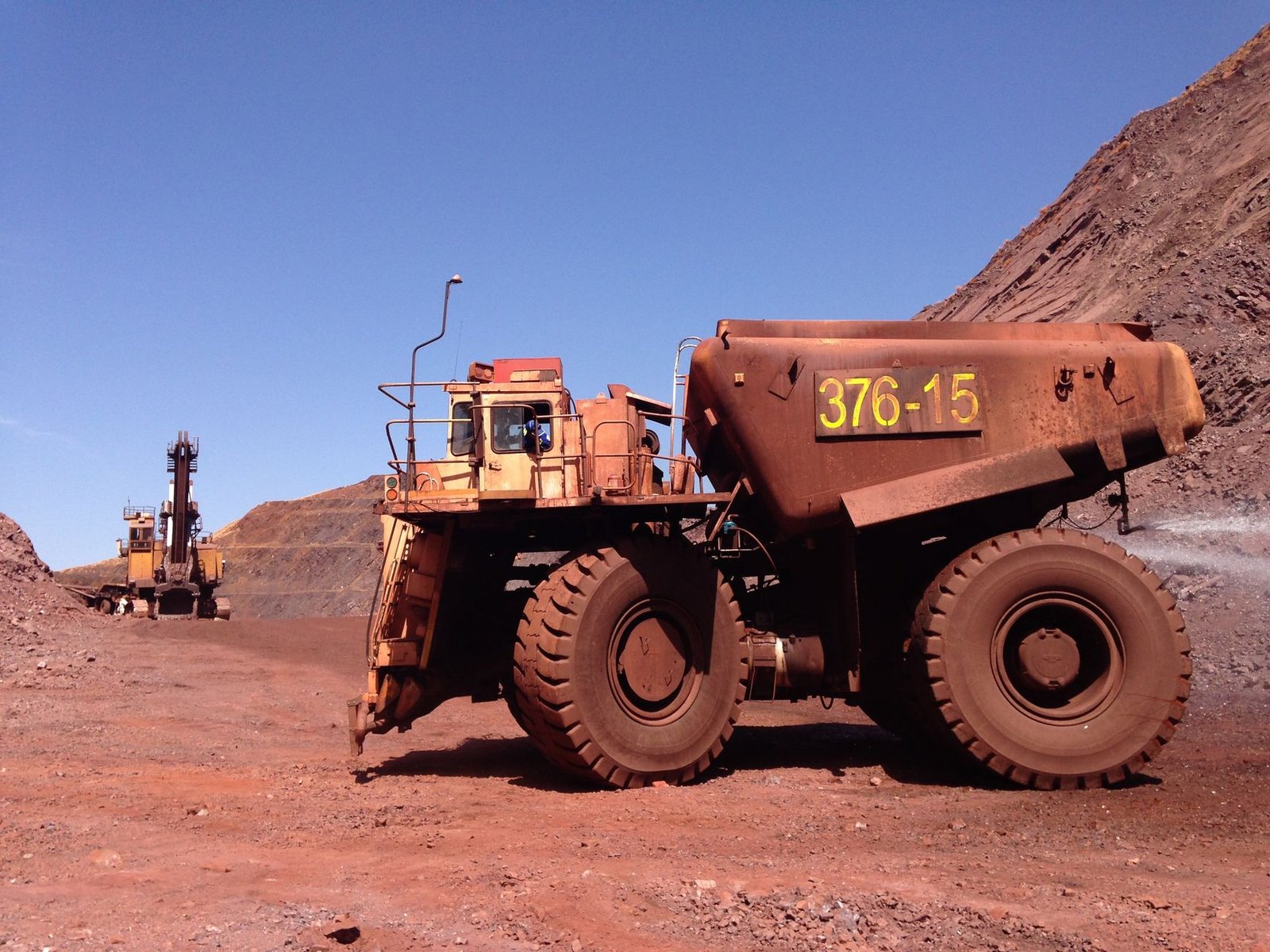
Manganese, alongside timber and oil, ranks as one of Gabon’s top three foreign exchange earners. The country ranks as the world’s second-largest producer of this mineral, primarily extracted in the Haut-Ogooué region. Operations are led by Comilog—owned by the French group Eramet—and Nouvelle Gabon Mining. Since the military-led transition government took office in 2023, authorities have repeatedly emphasized the need to increase fiscal returns from mining concessions. Yet the drastic downward revision in tax projections tells a different story.
Multiple factors may explain the gap. Global manganese prices have experienced a sharp correction since mid-2024, following a supply shock triggered by a mine fire in Australia earlier that year. The price drop has directly weakened the financial performance of operators in Gabon, shrinking their taxable bases. Still, the wide discrepancy between initial projections and actual outcomes raises serious questions about the accuracy of the original budget assumptions.
Extractive transparency under scrutiny amid fiscal shift
The issue carries added weight because Gabon has re-engaged with the Extractive Industries Transparency Initiative (EITI) after years of absence. The 51.8 billion CFA francs in lost revenue could fund several months of salaries for certain government ministries. This shortfall occurs as Libreville negotiates a new financial support framework with the International Monetary Fund, all while facing tight liquidity conditions and relying on regional BEAC markets to cover monthly expenses.
Local analysts highlight a glaring contradiction: a stated commitment to renegotiating unfair fiscal terms with extractive multinationals, yet a revised budget that delivers far weaker revenue than expected. Following promises made in late 2023 to review mining and oil agreements, the effective corporate tax yield from mining now stands at barely 3% of the original target. There has been no public explanation of the macroeconomic or contractual assumptions behind this revision.
Strategic signal for partners and investors
The timing of this adjustment is critical. Gabon is preparing to release its multi-year budget framework and must decide between continuing major infrastructure projects and reining in the fiscal deficit. A revenue shortfall of 51.8 billion CFA francs forces the government to reconsider its priorities—whether through spending cuts or increased domestic borrowing. Multilateral lenders will closely watch how the transitional authorities justify this discrepancy before the interim parliament.
For mining operators, the move sends mixed signals. On one hand, the reduced tax burden offers temporary relief amid a cycle of low commodity prices. On the other, it fuels political debate over fair compensation for national resources. When the 2026 finance bill is introduced later this year, it will need to clarify whether this adjustment reflects a temporary setback or a permanent shift in the fiscal yield from Gabon’s mining industry.