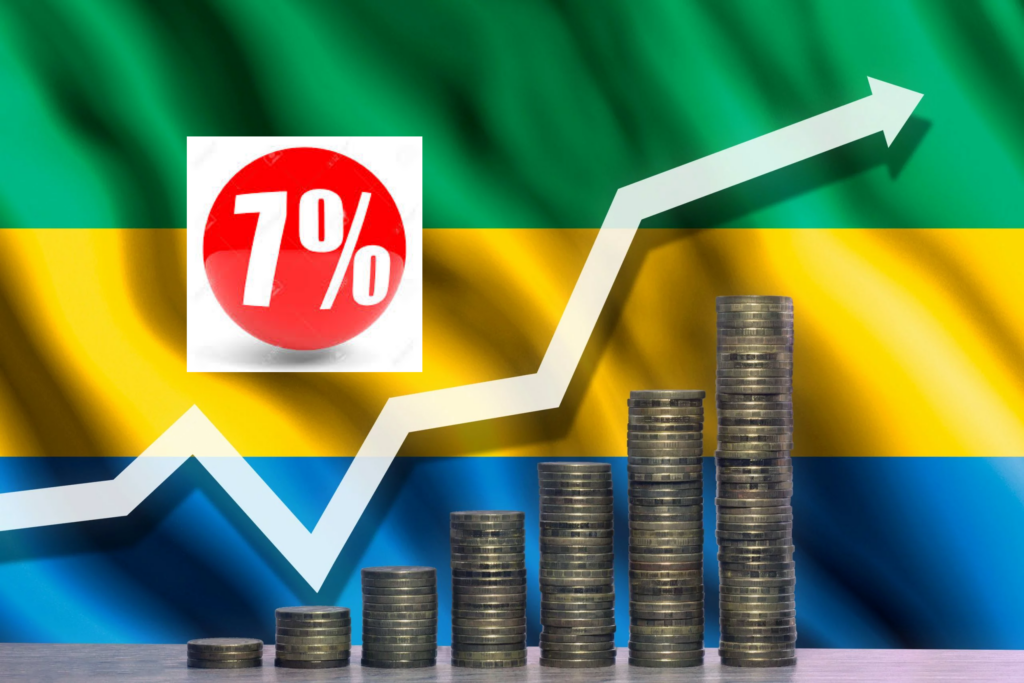
Gabon sets ambitious 7% growth target for 2030
After a decade of sluggish economic performance, Gabon is poised to break free from its traditional reliance on raw material exports. President Brice Clotaire Oligui Nguema has unveiled a sweeping economic roadmap designed to transform Gabon into a dynamic, job-creating economy within the next six years.
Ending the resource curse
The President has diagnosed Gabon’s economic stagnation as the direct result of an unsustainable rentier model—one that prioritizes exporting unprocessed oil and manganese over developing local industries. « We’ve been exporting our jobs along with our raw materials, » he noted in a recent address, emphasizing the urgency of structural change.
A three-pillar strategy for economic revival
To reignite growth and foster inclusive prosperity, the government’s new economic framework rests on three core pillars:
- Systematic industrialization: Shifting from raw material exports to local processing of key resources like manganese and timber.
- Economic diversification: Prioritizing high-potential sectors such as agriculture, livestock, and digital services to reduce dependence on volatile commodity markets.
- Business climate reform: Implementing investor-friendly policies to attract capital, streamline regulations, and stimulate private sector participation.
The PNCD 2026–2030: Gabon’s growth accelerator
At the heart of this transformation lies the National Growth and Development Plan (PNCD) 2026–2030. This flagship initiative aims to push Gabon’s growth rate to an unprecedented 6–7% annually by 2030, targeting key strategic sectors:
- Manganese processing and value addition
- Expansion of poultry and cattle value chains
- Digital economy leapfrogging
- Forestry sector carbon market integration
« Resources alone don’t guarantee progress—our missing ingredient was strong governance. We’ve restored it. » — President Brice Clotaire Oligui Nguema
By coupling economic ambition with disciplined governance, Gabon is positioning itself to reclaim its place among Africa’s most competitive economies by the end of the decade.
Comments are closed, but trackbacks and pingbacks are open.