Gabon’s agricultural leap: CAP 2030 vision for food sovereignty by 2030
Libreville, Monday, July 13, 2026 — Gabon stands at a pivotal moment in its economic history. Blessed with vast arable lands, a favorable tropical climate and abundant water resources, the country paradoxically remains heavily dependent on food imports to feed its growing population.
This persistent reliance on foreign agricultural products not only drains the national treasury through massive import expenditures but also exposes Gabon to the unpredictable fluctuations of global commodity markets. Recognizing this vulnerability, the government has elevated food sovereignty to the status of a strategic national priority.
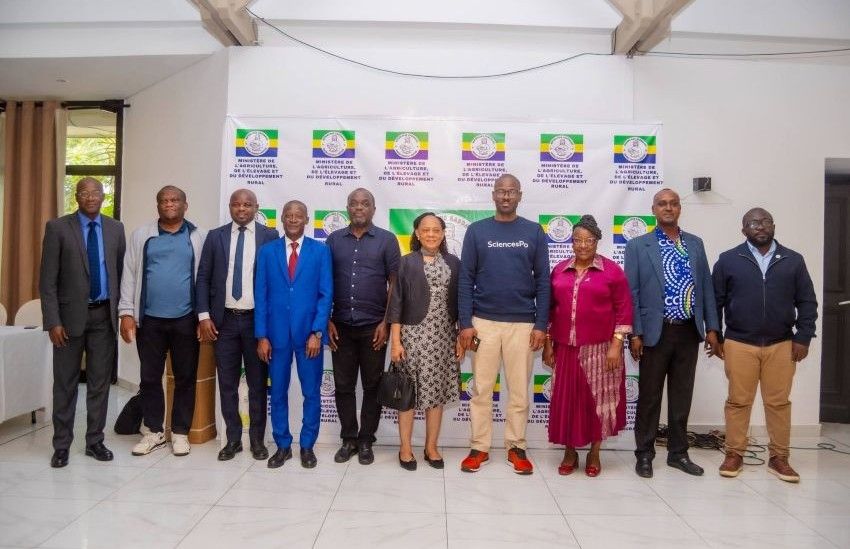
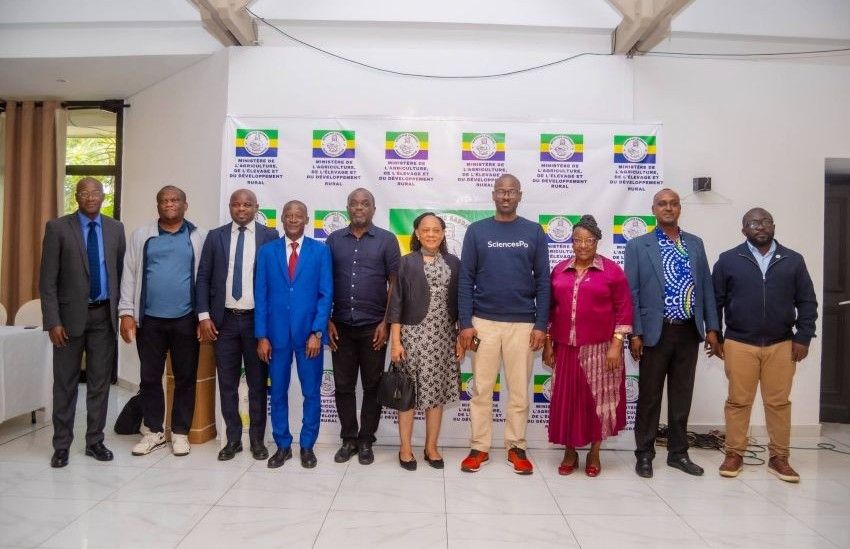
In response, the Ministry of Agriculture, Livestock and Rural Development convened a high-level strategic retreat in Libreville over two days. The gathering brought together senior ministry officials, provincial leaders and heads of affiliated agencies to redefine agricultural governance models and accelerate the sector’s transformation toward the CAP 2030 objectives—Gabon’s ambitious roadmap to achieve food self-sufficiency by the end of the decade.
Led by Minister Pacôme Kossy, this initiative transcends routine administrative exercises. It embodies a resolute commitment to embed Gabonese agriculture in a performance-driven framework, where measurable outcomes and managerial accountability take center stage. The overarching ambition is twofold: substantially reduce the country’s dependence on food imports while transforming agriculture into a cornerstone of economic diversification.
The retreat, themed “CAP 2030: Aligning Management, Accelerating Results, Securing Gabon’s Food Sovereignty”, underscores the gravity of the challenge. Participants included cabinet members, department directors, provincial representatives and heads of all agencies under the ministry’s supervision—a clear signal that food security has become a cornerstone of 21st-century national security.
A new governance paradigm for national ambition
Food security is no longer just about agricultural production. Global health crises, geopolitical tensions disrupting supply chains, climate change and volatile food prices have reshaped state priorities across Africa. For Gabon, achieving food sovereignty now means boosting local production, enhancing value addition through processing, structuring supply chains and ensuring long-term national food security.
This strategic retreat aims to embed a new culture of public governance focused on performance, administrative efficiency and accountability. The Ministry is shifting from traditional input-based management—where success is measured by resources spent—to an output-focused model where results are evaluated using clear, quantifiable indicators. The upcoming Managerial Performance Pact expected from the retreat will define specific commitments, attach measurable targets and establish regular evaluation mechanisms.
The introduction of a national performance dashboard is a testament to this shift. It will serve as a real-time monitoring tool, enabling policymakers and sector leaders to track progress, identify bottlenecks and make data-driven decisions in pursuit of CAP 2030 goals.
Massive investments to modernize the sector
The timing of this strategic reflection is significant. As of mid-2026, the Ministry reports mobilizing nearly 7.575 trillion CFA francs in private investments through five landmark agreements. These funds are earmarked for the modernization of agricultural and livestock value chains, as well as the upgrading of processing and storage infrastructure. If fully realized, this could represent the largest single wave of agricultural investment in Gabon’s modern history.
Supporting local producers remains a cornerstone of the strategy. The goal is to empower national farmers, promote entrepreneurial agriculture and ensure consistent supply to urban markets. Equally critical is the finalization of the 2026–2030 Agri-food Systems Transformation Plan, a comprehensive national roadmap that will guide production, processing, marketing and climate resilience efforts over the next five years.
Food sovereignty as a pillar of national power
Beyond economic metrics and policy documents, Gabon’s agricultural transformation reflects a deeper shift in national economic thinking. In a world roiled by trade wars, logistical disruptions and raw material shortages, a nation’s ability to feed its people has become a key indicator of sovereignty and resilience.
Agriculture is no longer viewed merely as a production sector, but as a strategic lever for social stability, national security and economic strength. For Gabon, the stakes are clear: build a model that creates jobs, revitalizes rural economies, cuts food import bills and strengthens resilience against external shocks.
The retreat concluded on July 12 with the validation of the Ministry’s strategic orientations. Observers—from business leaders and investors to international partners—will be watching closely. Behind the CAP 2030 banner lies a larger ambition: to propel Gabonese agriculture into an era of performance, industrial transformation and lasting food sovereignty.
In the global race for food security, nations that invest today in building their production capacity will hold a decisive advantage tomorrow. Gabon has chosen not to be a passive observer in this historic transformation—but to lead it.
Comments are closed, but trackbacks and pingbacks are open.