
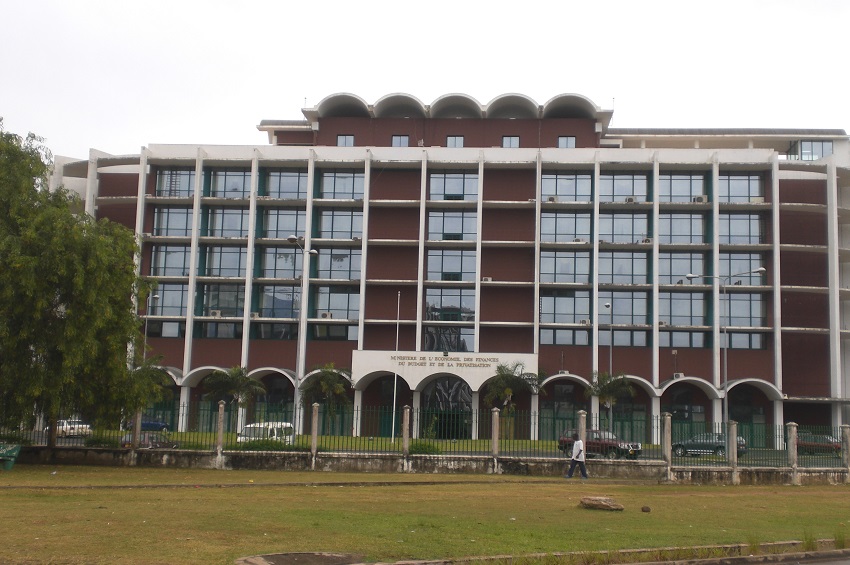
Gabon’s debt crisis: a looming economic challenge
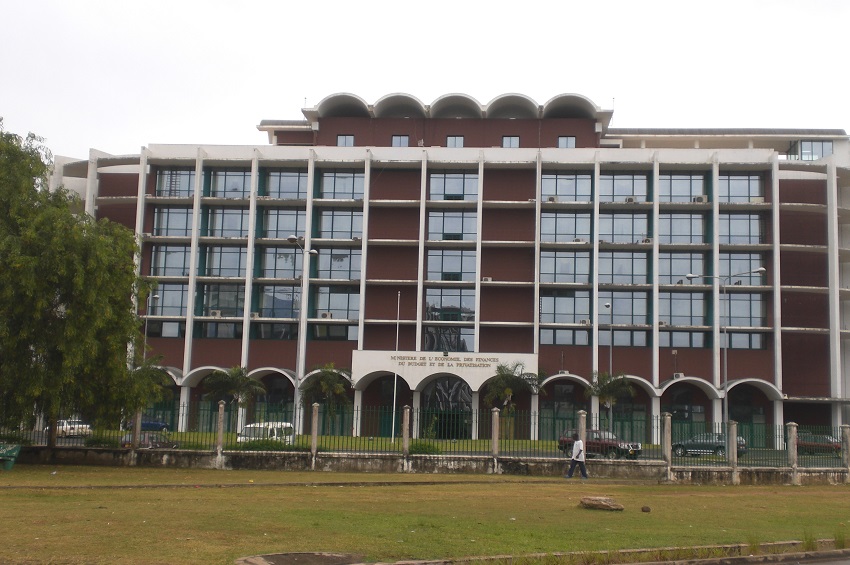
Libreville, Saturday 18 July 2026 — A figure long dreaded by financial institutions, rating agencies, and economists specializing in African markets has now been confirmed. Gabon’s public debt has surged to 8.78 trillion CFA francs by the end of 2025, according to data released by the General Directorate of Debt. This unprecedented level marks a turning point for Gabon’s economy and thrusts the issue of financial sustainability into the heart of national debate.
Beyond the stark numbers, this trajectory raises critical questions about the country’s economic model, its ability to fund its transformation, and the policy space authorities will have in the coming years. Debt itself is not inherently problematic—it becomes a threat when it grows faster than the national wealth it is meant to generate. That is precisely the dilemma Gabon faces today.
A debt surge of unprecedented scale
The total public debt now stands at exactly 8.78 trillion CFA francs. External debt accounts for 4.13 trillion, while domestic debt has ballooned to 4.65 trillion.
The breakdown of external liabilities reveals Gabon’s diverse creditor base. Bilateral commitments total 764.5 billion CFA francs, commercial debts reach 406.1 billion, multilateral institutions hold 1.58 trillion, and international financial markets account for 1.38 trillion.
Domestically, regional markets have emerged as the primary source of funding, with nearly 3.45 trillion CFA francs raised from sub-regional investors. Bank debt amounts to 444 billion, while moratorium debts have climbed to 758 billion. Yet the most alarming signal lies elsewhere.
In just one year, Gabon’s total debt increased by 1.65 trillion CFA francs—a surge of over 23%. Such rapid growth is especially concerning for an economy still heavily reliant on commodity exports.
The rise of domestic debt as a new risk
Unlike typical debt crises in many African nations, this surge is not driven by external creditors. In fact, external debt has slightly declined by 41 billion CFA francs.
The real shift stems from the explosive growth in domestic liabilities. Domestic debt jumped by nearly 1.69 trillion CFA francs in twelve months—a staggering 57% increase.
According to the General Directorate of Debt, this surge is primarily attributed to two factors: the validation of moratorium debts by the dedicated task force and a heavy reliance on financing from regional financial markets.
While this approach offers certain benefits—such as reducing exchange rate exposure and limiting dependence on international markets—it carries significant risks. Heavy state borrowing from regional savings could crowd out private sector financing and slow productive investment. In essence, the government risks becoming the dominant competitor for scarce capital.
The imperative of fiscal discipline
International agencies had already warned of Gabon’s growing fiscal vulnerability. The latest figures validate those concerns. The question is no longer whether debt is rising—but whether the country can generate enough growth to absorb this increase without compromising future investments in health, education, infrastructure, or social protection.
Gabon still possesses major assets. Its mineral, forestry, and energy resources offer strong potential. But these riches must now be converted more rapidly into productive growth and sustainable revenue.
Debt is only justified when it builds the future. When it funds current consumption or masks structural imbalances, the bill is inevitably passed to future generations.
Gabon now enters a decisive period where every borrowed franc must prove its economic worth. Financial markets lend willingly to states—but they demand one thing in return: proof that their confidence was justified.
