Gabon’s parliament gains new power under the Fifth Republic
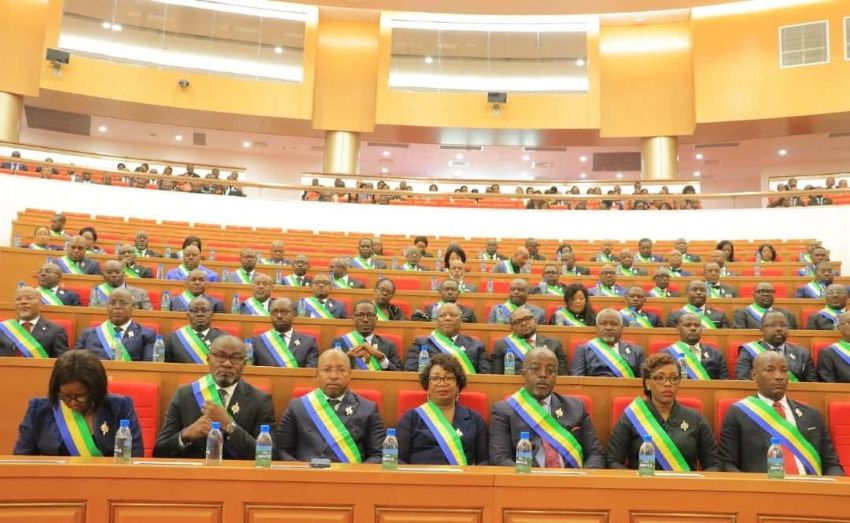
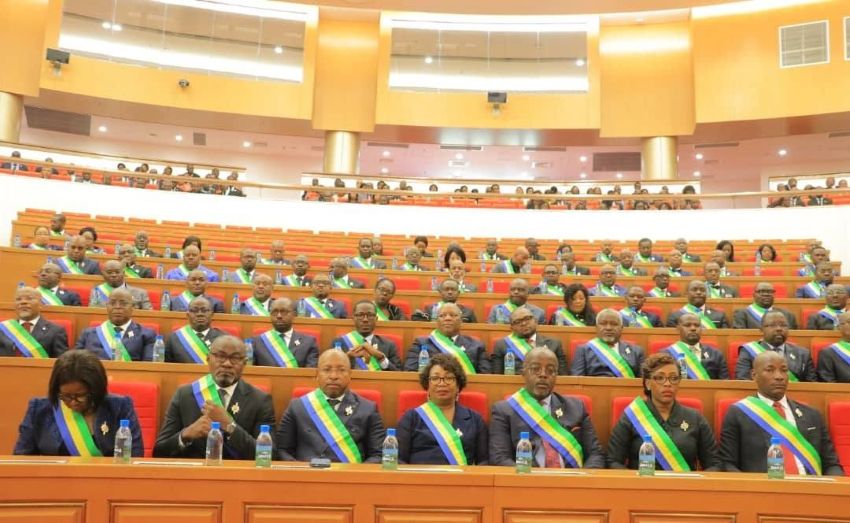
Libreville, June 15, 2026 – A historic moment unfolded in Gabon’s political landscape as President Brice Clotaire Oligui Nguema addressed the nation’s Parliament in a joint session for the first time under the Fifth Republic’s Constitution. This unprecedented gathering marks not just a procedural event but the dawn of a new era where the legislative branch takes center stage in the Republic’s governance.
The decision to convene Congress at the Palais Léon Mba signals a deliberate shift in power dynamics. No longer confined to lawmaking, the National Assembly now serves as the symbolic meeting ground where the executive branch, parliamentary representatives, and the Gabonese people converge annually to assess governance, accountability, and national progress.
A constitutional milestone with far-reaching implications
Under the new constitutional framework, the president’s annual address to Parliament is no longer an optional gesture but a mandatory requirement. This innovation redefines presidential accountability, transforming the head of state from an elected leader into a regular respondent to the nation’s representatives. The shift underscores a commitment to transparency, embedding a culture of public evaluation into the fabric of Gabonese governance.
While some may view this as a technicality, its political significance cannot be overstated. By institutionalizing this dialogue, Gabon distinguishes itself from traditional presidential systems, offering a model of governance where power is balanced through structured engagement and oversight. The choice of venue—shifting the locus of power from the executive’s traditional stronghold to the legislative chamber—sends a powerful message: democratic legitimacy is not solely derived from elections but from sustained interaction with elected representatives.
Parliament’s elevated role in the Fifth Republic
The reforms, born from the 2023 National Inclusive Dialogue, have catapulted the Parliament into an unprecedented position of influence. Once perceived as a secondary institution, the National Assembly now stands as a cornerstone of the new institutional order, tasked with restoring public trust in governance.
The annual Congress embodies this transformation. Even without binding votes or debates, its impact is profound. It creates a rare moment of unity among majority and opposition lawmakers, fostering a shared institutional identity. In a political climate often marred by division, this ritualized gathering reinforces civic cohesion and underscores the Parliament’s role as a mirror of Gabon’s diverse political, geographic, and social landscape.
Forging a new political culture
Every democracy relies on rituals to legitimize its institutions and provide meaning to its political processes. Gabon’s annual Congress could well become such a defining tradition, embedding transparency and institutional dialogue into the nation’s political DNA. This evolution reflects a broader philosophy: governance thrives not just through decisions but through explanation, justification, and accountability.
For a continent where institutional reforms are often scrutinized for their stability and predictability, Gabon’s initiative sends a reassuring signal to investors, international partners, and multilateral organizations. It demonstrates a commitment to predictable, durable governance frameworks—an essential ingredient for sustainable development and economic confidence.
The stakes of the June 15 Congress extend beyond the president’s speech. What is being forged is a republican tradition designed to endure, one that redefines the balance of power not through concentration of authority but through its judicious distribution and oversight. In this light, the Fifth Republic’s most profound transformation may lie not in structural changes but in the culture of responsibility it seeks to instill.
Comments are closed, but trackbacks and pingbacks are open.