Gabon’s strategic role in Africa’s evolving economic landscape
Libreville, June 20, 2026 – Africa is undergoing a profound economic transformation. Long constrained by colonial-era borders, the continent is now forging the world’s largest integrated market by number of countries. This historic shift presents unprecedented opportunities for nations ready to seize them.
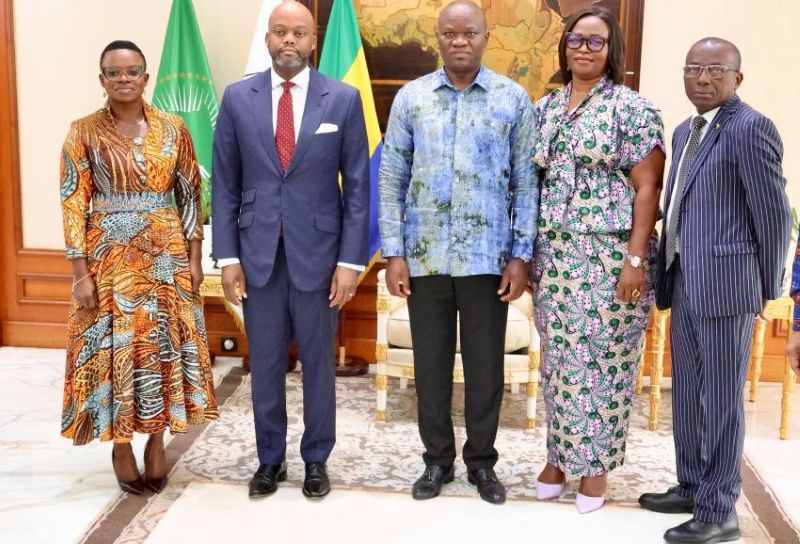
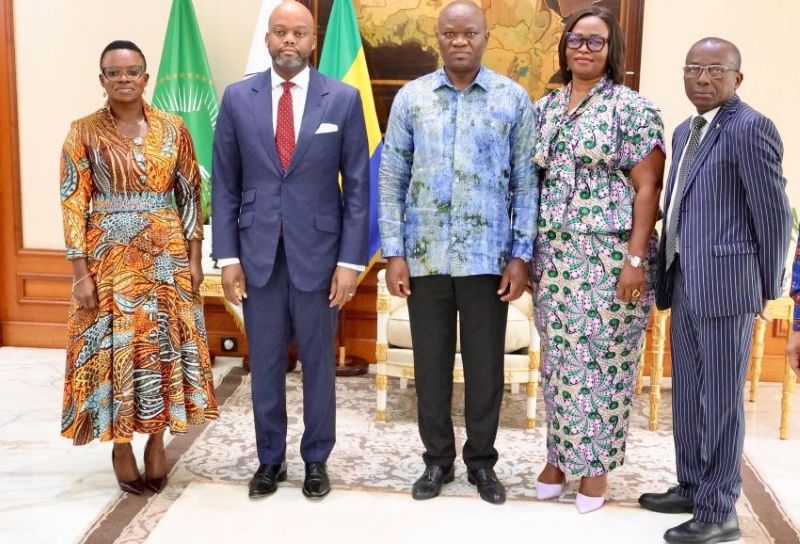
Last Friday’s meeting between Gabonese President Brice Clotaire Oligui Nguema and AfCFTA Secretary-General Wamkele Mene in Libreville transcended routine diplomacy. It signaled Gabon’s determination to position itself at the heart of Africa’s new economic architecture.
As global supply chains realign and regional blocs strengthen their integration, African nations face a critical question: how will each country capitalize on this continental transformation? The answer lies not in whether to trade more with neighbors, but in how to prepare for the new economic realities.
A market of 1.4 billion consumers
The African Continental Free Trade Area (AfCFTA) represents one of the 21st century’s most ambitious economic projects. With 1.4 billion inhabitants and a combined GDP exceeding $3 trillion, this initiative aims to eliminate trade barriers and unlock Africa’s vast potential.
Yet despite its promise, Africa remains one of the world’s least integrated regions. While intra-European trade accounts for over 60% of the continent’s exchanges and Asian trade nears 50%, Africa struggles to reach 15%. The AfCFTA seeks to change this fundamental imbalance.
During their discussions, President Oligui Nguema and Secretary-General Mene explored strategies for Gabon to maximize benefits from this continental market. Key priorities include modernizing customs procedures, enhancing border infrastructure, refining regulatory frameworks, and strengthening institutional capacity.
Nkok: Gabon’s industrial powerhouse
Secretary-General Mene particularly highlighted Gabon’s often-overlooked competitive advantage: the Nkok Special Economic Zone.
Within years, Nkok has emerged as Central Africa’s leading industrial hub, hosting companies specializing in wood processing, metallurgy, and manufacturing. This transformation reflects Gabon’s shift from raw material exports to value-added production—a model perfectly aligned with AfCFTA objectives.
The success of continental trade liberalization will depend less on natural resource exports than on each nation’s ability to develop competitive industrial bases. Gabon’s strategic location at the heart of the Gulf of Guinea, coupled with modern port infrastructure and ambitious logistics projects, positions it as a natural regional trade hub.
Transformation as national economic doctrine
President Oligui Nguema reaffirmed Gabon’s National Growth and Development Plan during the meeting. This vision rests on three pillars: local resource transformation, economic diversification, and accelerated digital transition.
This strategy marks a departure from traditional models reliant solely on raw material extraction. It demonstrates Gabon’s commitment to meeting global competitiveness standards in an era where mere trade liberalization is no longer sufficient.
The true challenge of AfCFTA extends beyond tariff reduction. It demands the emergence of African economies capable of large-scale production, innovation, and export. The Gabonese president’s meeting with the AfCFTA secretary-general comes at a pivotal moment when the continent possesses a unified legal framework—but must now translate political ambition into economic reality.
For Gabon, this represents a strategic imperative. The nation isn’t merely seeking to participate in continental trade—it aims to become one of its primary beneficiaries. The AfCFTA opens doors to an unprecedented continental market, but only states that anticipate industrial, logistical, and digital transformations will truly reap its rewards. Libreville appears determined to be among them.
Comments are closed, but trackbacks and pingbacks are open.