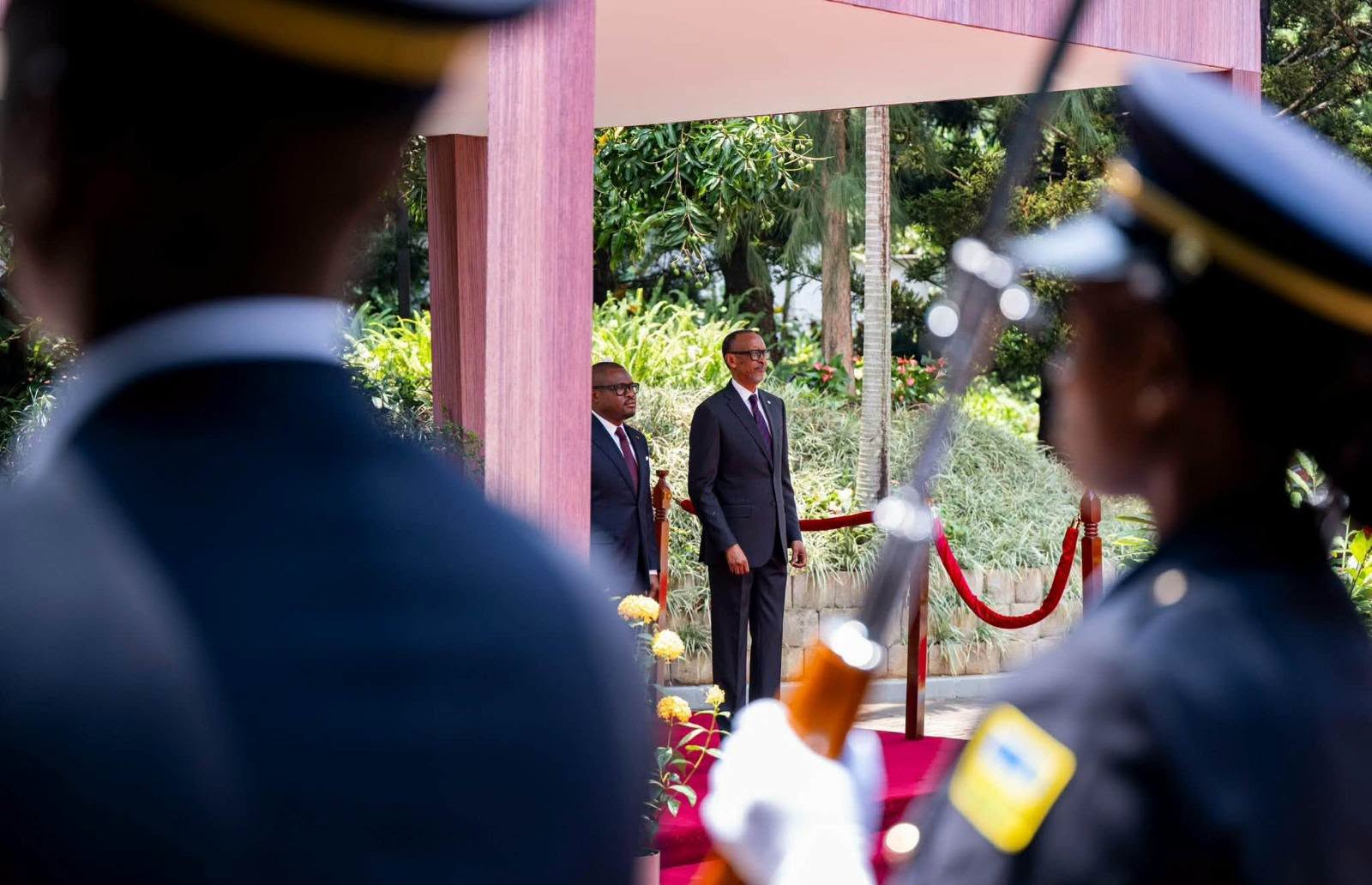
The economic and diplomatic ripple effects of Benin’s latest strategic outreach to Rwanda have begun to unfold, as President Romuald Wadagni concluded a landmark 48-hour working visit to Kigali. The high-level engagement—his first official trip to Rwanda since assuming office—sends a strong signal about Cotonou’s commitment to deepening one of Africa’s most forward-looking bilateral partnerships.
Real-world implications for citizens and businesses
With border protection, digital governance and foreign investment at the forefront, the outcomes of this summit extend far beyond diplomatic declarations. For Beninese entrepreneurs, the agreements reached could unlock faster customs clearance, reduced trade barriers and streamlined administrative procedures modeled on Rwanda’s e-governance successes. Small-scale traders in Parakou and Malanville may see shorter transit times, while tech startups in Cotonou gain clearer pathways to Rwandan venture capital and incubation networks.
On the security front, joint border patrols and intelligence-sharing pacts aim to curb cross-border crime and human trafficking—issues that directly affect communities along Benin’s northern frontier with Burkina Faso and Niger. Enhanced stability in these zones can translate into safer markets, lower transport costs and greater agricultural productivity for rural households.
Concrete steps toward regional integration
The two presidents endorsed a roadmap that prioritises three areas:
- Customs modernisation: piloting a single-window clearance system to cut paperwork and reduce port delays in Cotonou and Kigali.
- Skills exchange: sending Beninese customs officers and IT specialists to Kigali for three-month training stints focused on Rwanda’s acclaimed e-services platform.
- Investment facilitation: launching a joint investment promotion office in Lagos to attract Gulf and Asian capital into agro-processing and renewable-energy projects across both countries.
Diplomatic symbolism meets economic pragmatism
A poignant moment came when President Wadagni laid a wreath at the Kigali Genocide Memorial. His gesture acknowledged Rwanda’s painful past while celebrating its remarkable economic rebound—a narrative Cotonou hopes to mirror through targeted reforms. The visit thus balanced solemn remembrance with hard-nosed policymaking, underscoring how historical sensitivity and forward-looking economics can coexist in Africa’s newest alliance.
What’s next for the Cotonou-Kigali corridor?
Technical teams from both capitals will meet in July to finalise the investment-facilitation office’s terms of reference, while customs authorities plan a joint simulation exercise in August to test the single-window prototype. If successful, the measures could later expand into a full customs union with Togo, potentially creating a seamless trade corridor from Lomé to Kigali.
For now, however, the most immediate beneficiaries will be the thousands of traders, farmers and tech founders who stand to gain from faster clearance, clearer rules and deeper capital flows. In a region often stymied by bureaucratic inertia, the Benin-Rwanda partnership is quietly turning ambition into action.
Comments are closed, but trackbacks and pingbacks are open.