Military Junta in Niger Escalates Crackdown on Dissent and Media Freedom
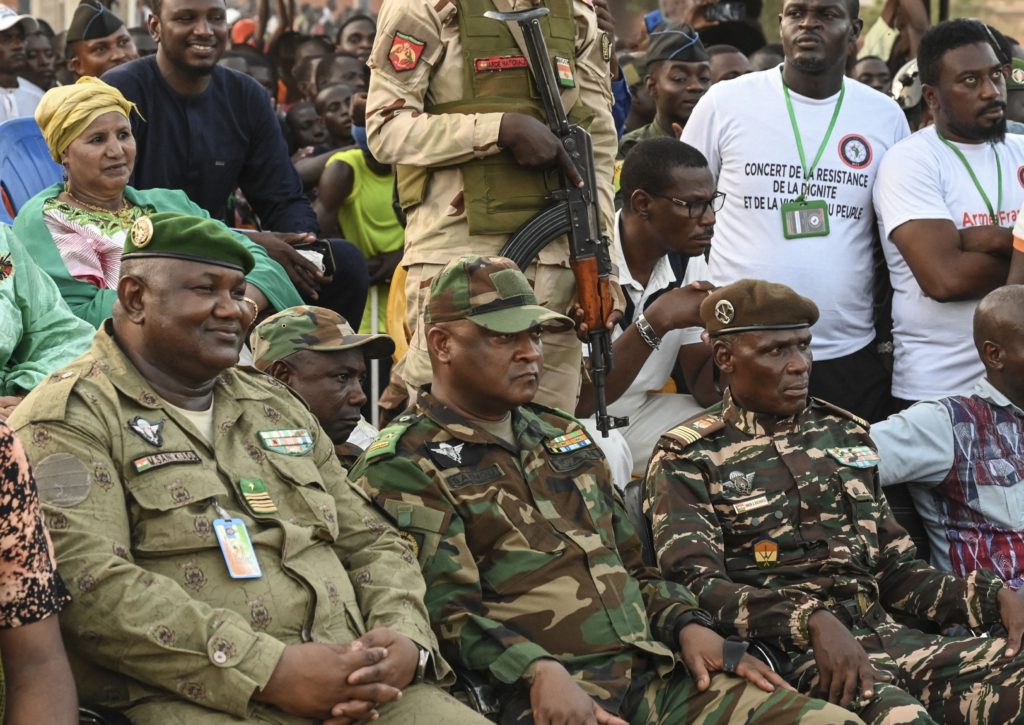
Since the July 26, 2023 military coup that removed President Mohamed Bazoum from power, Niger’s ruling National Council for the Safeguard of the Homeland (CNSP) has systematically targeted former government officials, journalists, and peaceful critics through arbitrary arrests and repression, according to reports by Human Rights Watch and Amnesty International.
The coup, led by General Abdourahmane Tiani, resulted in the detention of President Bazoum, his wife, and son at the Niamey presidential palace. Dozens of former officials—including Sani Mahamadou Issoufou (ex-Minister of Petroleum), Hamadou Adamou Souley (ex-Minister of Interior), Kalla Moutari (ex-Minister of Defense), and Ahmad Jidoud (ex-Minister of Finance)—have since been arrested, transferred to military courts, and charged with state security violations despite their civilian status. Legal experts argue these proceedings violate due process guarantees.
The CNSP’s pattern of arbitrary detentions and suppression of free expression is pushing Niger into a human rights abyss.
Ilaria Allegrozzi, Senior Sahel Researcher at Human Rights Watch
Amnesty International and Human Rights Watch have condemned the detentions as politically motivated and demanded the immediate release of all arbitrarily held individuals, including the former president and his family. Despite international pressure, Bazoum remains in detention without judicial review, facing charges of « high treason » and « national security threats. »
International Condemnation and Diplomatic Fallout
The Economic Community of West African States (ECOWAS) responded to the coup by imposing sweeping sanctions on August 10, including travel bans and asset freezes on junta leaders and Niger itself. The bloc also threatened military intervention, though the African Union has since urged a diplomatic resolution to restore constitutional order.
Tensions escalated further on October 11 when Niger’s authorities ordered the UN Resident Coordinator, Louise Aubin, to leave the country within 72 hours, accusing UN Secretary-General António Guterres of « sabotage » for excluding Niger from the UN General Assembly.
Suppression of Journalists and Media Outlets
Independent journalism in Niger has come under severe pressure since the coup. The CNSP suspended international news channels Radio France Internationale and France 24 indefinitely on August 3, while local reporters face escalating harassment, threats, and physical attacks. Many journalists now practice self-censorship to avoid retaliation.
The case of Samira Sabou, a blogger and journalist arrested on September 30 and charged with « producing data likely to disturb public order, » exemplifies the crackdown. Held incommunicado for seven days before being transferred to police custody, Sabou was previously detained in 2020 and 2022 for reporting on drug trafficking and cybercrime—charges critics call politically motivated.
Targeting of Civil Society and Dissidents
>The junta has also moved against academics and activists. On August 22, six university professors and state officials were dismissed without explanation after signing a petition distancing themselves from a pro-CNSP teachers’ union statement. Social media commentator Samira Ibrahim (« Precious Mimi ») was sentenced on October 3 to six months’ suspended prison time and a hefty fine for a Facebook post criticizing Algeria’s refusal to recognize the new regime.
Violence and Impunity Amid Political Upheaval
Pro-junta supporters, including self-defense committees, have violently targeted members of Bazoum’s Nigerien Party for Democracy and Socialism (PNDS-Tarayya). On July 27, the party’s Niamey headquarters was ransacked, vehicles burned, and members assaulted. In August, reports emerged of sexual violence against women at illegal checkpoints by armed supporters of the coup, with no perpetrators held accountable.
The CNSP has suspended Niger’s constitution but claims commitment to « pluralistic democracy » and human rights frameworks like the Universal Declaration of Human Rights. However, observers warn that without urgent action, the country’s democratic institutions and fundamental freedoms are at severe risk.
Free expression and dissent are the bedrock of accountable governance. The military authorities must urgently halt the repression of journalists, activists, and critics and take concrete steps to uphold human rights for all Nigeriens.
Ousmane Diallo, Sahel Researcher at Amnesty International’s West and Central Africa Regional Office
Comments are closed, but trackbacks and pingbacks are open.