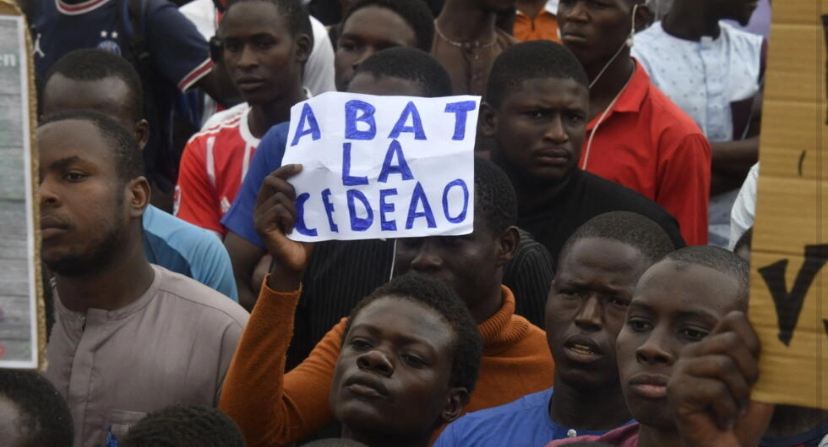
The imminent withdrawal of Mali, Burkina Faso and Niger from the Economic Community of West African States (Cédéao) could severely restrict citizens’ ability to seek justice through its judicial body. This concern is shared by Ilaria Allegrozzi, a senior researcher at an international NGO, who highlights the critical role of the Cédéao Court of Justice in combating human rights violations in these nations.
Why the Cédéao Court matters for human rights
According to Allegrozzi, the Court of Justice represents a vital recourse for victims of abuse, particularly in contexts where national courts are either inaccessible or ineffective. She notes that in regions plagued by impunity, this court has delivered landmark rulings, such as holding Niger accountable for failing to protect a citizen from slavery and holding Nigeria responsible for environmental abuses by oil companies in 2012.
«The Court was a crucial mechanism,» she explains, «because it didn’t require victims to exhaust all domestic legal avenues first—making it far more accessible for individuals in these countries.» This streamlined process was especially vital in Mali, Burkina Faso and Niger, where systemic barriers often prevent justice for the most vulnerable.
The looming consequences of withdrawal
The exit of these three nations could leave their citizens without a reliable international forum to challenge state-sponsored abuses or corporate misconduct. Without access to the Cédéao Court of Justice, Allegrozzi warns that impunity may deepen, further eroding trust in regional justice systems.
As political tensions rise and regional alliances shift, the decision to leave the Cédéao raises urgent questions about the future of human rights protections in West Africa.
Comments are closed, but trackbacks and pingbacks are open.