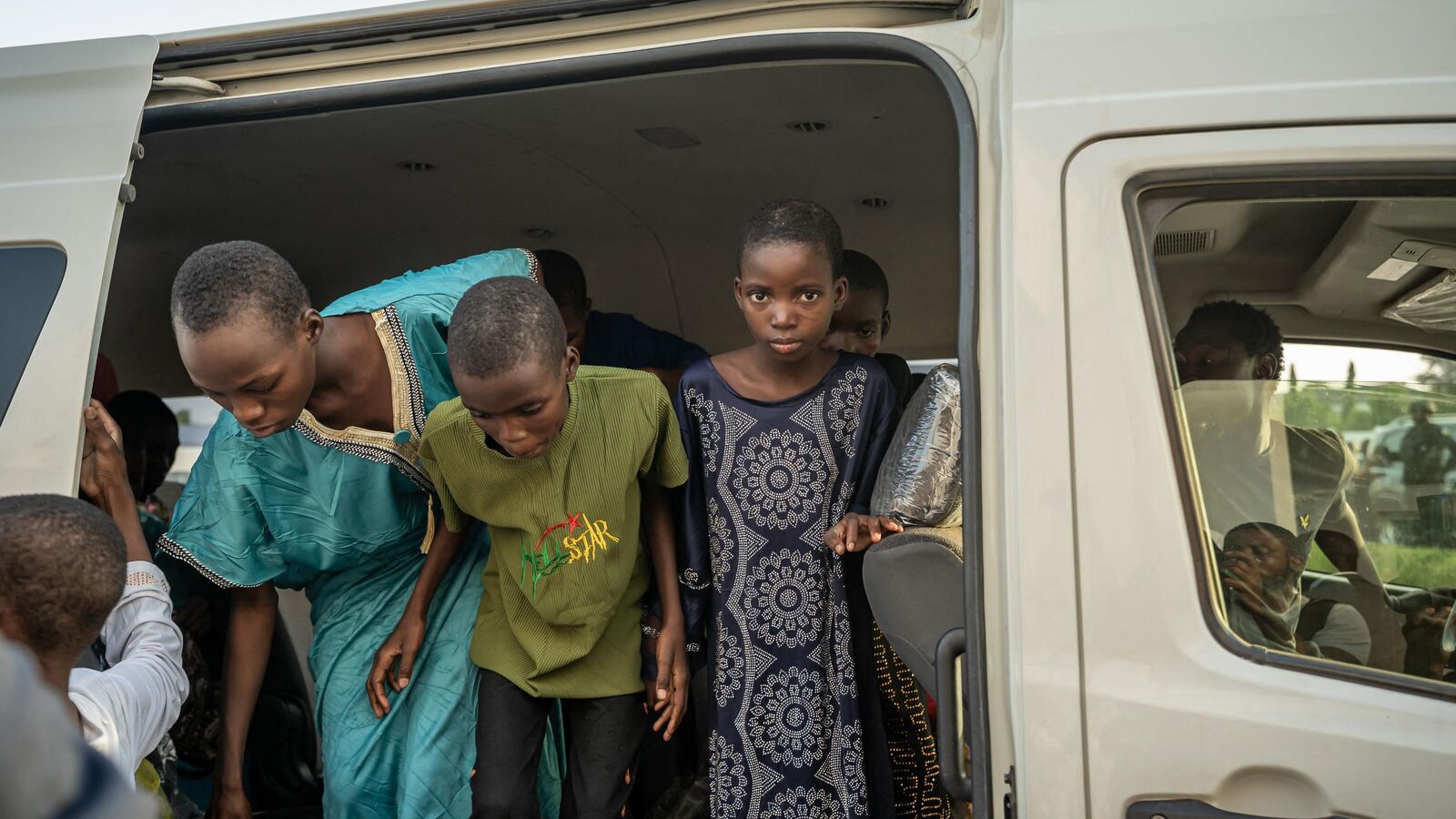
The Nigerian army announced on Saturday the release of 360 people held by Boko Haram in the northeastern state of Borno. Two infants died of exhaustion while in captivity, officials said.
Several hundred people kidnapped earlier this year by the jihadist group were freed, according to the military and local authorities. Since 2009, an insurgency led by Boko Haram and later by its rival, the Islamic State in West Africa (Iswap), has killed tens of thousands and displaced millions in the country’s northeast.
Mass kidnappings, often followed by ransom payments, are common tactics by Islamist militants. Samaila Kaigama, president of the Borno South Youth Alliance (BOSYA), said he secured the release of 416 women and children abducted from Ngoshe. “They were freed on Saturday,” he told journalists. Senator Mohammed Ali Ndume of Borno confirmed the release.
However, the army later issued a separate statement giving the number 360, claiming they were freed during a military operation “thanks to intelligence.” The military said it gathered intelligence and conducted “psychological operations” to sow “distrust among the insurgents” before launching an assault. The victims had been held “in harsh conditions after being kidnapped from several communities, especially along the Ngoshe axis,” the army said.
Two infants dead
“Unfortunately, two infants died from exhaustion due to the prolonged captivity and harsh conditions,” said Daniel Bwala, spokesperson for President Bola Tinubu, who also cited the figure of 360 released.
Ransoms a common practice
The village of Ngoshe lies less than 10 kilometres from the Cameroonian border, in the Gwoza hills, a Boko Haram stronghold that has suffered repeated attacks. The youth leader said he did not know the circumstances of the release. BOSYA, which had established communication channels between the captors and the families, provided no details.
Authorities deny paying ransoms, despite analysts saying it is a widespread practice by both the government and victims’ families. Some $1.66 million was paid in ransoms from July 2024 to June 2025 to various armed groups in Nigeria, including jihadists, “bandits,” and separatists, according to a report by SBM Intelligence, a Lagos-based consultancy.