Boko Haram releases over 400 hostages in Borno State
In a significant development, the Islamist militant group Boko Haram has freed more than 400 individuals abducted earlier this year from a village in Borno State, located in Nigeria’s volatile northeast region. The announcement was confirmed by a local youth leader and a member of the state’s legislative assembly.
- Security

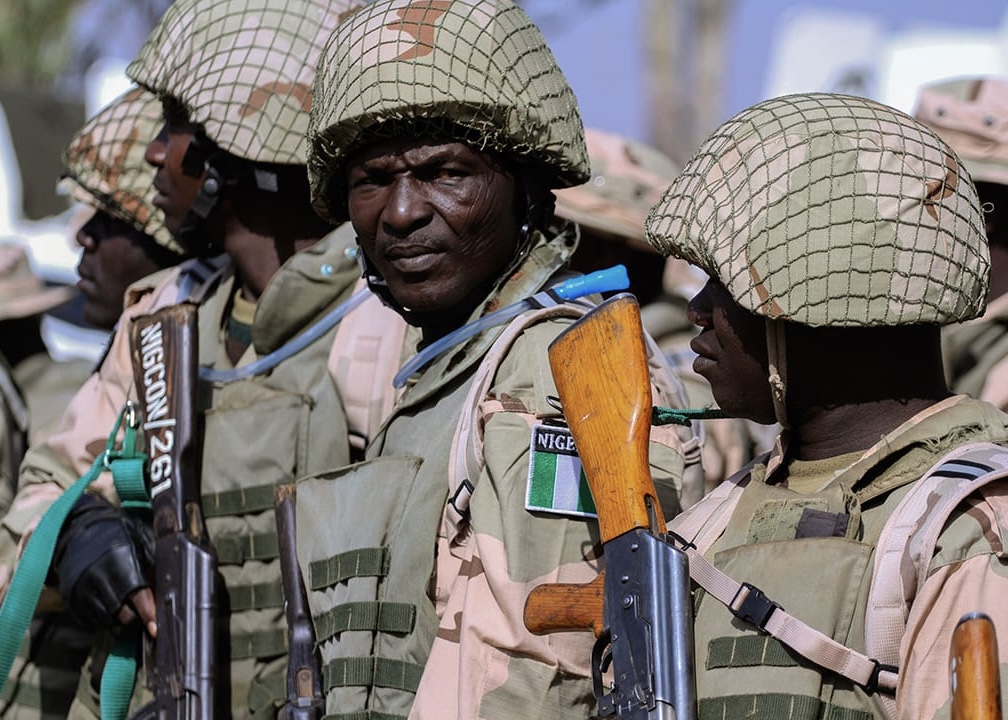
Since 2009, the Borno State region has been at the epicenter of a brutal jihadist insurgency first led by Boko Haram and later by its splinter faction, the Islamic State’s West Africa Province (ISWAP). The conflict has claimed tens of thousands of lives and displaced millions across Nigeria’s most populous northern region. Mass abductions, often resolved through ransom payments, have become a hallmark tactic of these extremist groups.
Samaila Kaigama, president of the Borno South Youth Alliance (BOSYA), confirmed the release of 416 women and children who were kidnapped from Ngoshe. “They were freed on Saturday,” he told local reporters. Senator Mohammed Ali Ndume, representing Borno State, corroborated the news during a public statement.
Government denies paying ransoms
Ngoshe, a village situated fewer than 10 kilometers from the Cameroon border in the rugged Gwoza Hills—long considered a stronghold of Boko Haram—has endured repeated attacks by Islamist fighters. No immediate details regarding the terms of the release were disclosed. Senator Ndume stated that he was unaware of the specific circumstances surrounding the liberation. BOSYA, which had facilitated indirect communication between the captors and affected families, also withheld further information.
While authorities have repeatedly denied making ransom payments, security analysts suggest such transactions are a common and widely accepted practice, involving both government agencies and families of victims. Between July 2024 and June 2025 alone, an estimated $1.66 million in ransoms was reportedly paid to various armed groups operating in Nigeria, including jihadist factions, armed bandits, and separatist militias, according to data from a Lagos-based intelligence consultancy.