New directive aims to protect troops from digital threats
The Democratic Republic of the Congo (DRC) has issued a strict ban on military personnel using smartphones during operations, citing severe security risks. Army leadership warns that unrestricted phone use has repeatedly compromised missions in the eastern DRC, putting soldiers in direct danger.
Why the ban is necessary
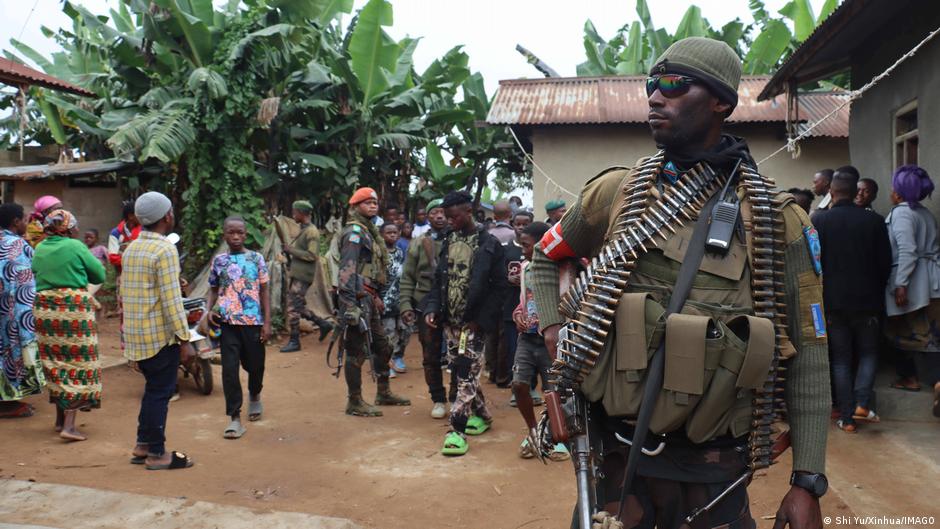
In recent years, an alarming number of videos have surfaced online, showing Congolese soldiers and Wazalendo fighters either celebrating battlefield victories, pleading for reinforcements, complaining about logistical shortcomings, or even fleeing combat. Military officials argue that such digital exposure has repeatedly undermined operations in eastern DRC and exposed troops to grave danger.
A sub-lieutenant stationed in the Uvira-Fizi operational zone of South Kivu, who requested anonymity, shared his perspective: “I always bring my phone to combat to stay in touch with my family. They need to know I’m still alive—because on the battlefield, it’s a matter of life or death. Of course, no soldier would willingly disclose their position to the enemy. But if command prohibits phone use, we’ll comply—provided they also address the exaggerated strategic retreats that weaken our efforts.”
Security risks exposed
In an official statement, interim FARDC spokesperson Lieutenant-Colonel Mak Hazukay emphasized that even a powered-on phone can betray troop positions, enabling enemy targeting. He urged soldiers to avoid unauthorized phone use, warning against sharing locations, movements, missions, troop numbers, or operational footage on social media or messaging platforms.
Kelvin Bwija, coordinator of the Congolese civil society group Socico in Uvira Territory, welcomed the measure, stating: “This decision deserves praise. Some FARDC soldiers have used their phones to communicate with enemies of the DRC, even providing them with tactical instructions. As civil society, we fully support this army directive.”
Balancing communication and security
Human rights lawyer Maître Aimé Bisimwa acknowledged the indispensability of mobile phones in daily life but stressed that soldiers must follow orders: “This doesn’t violate soldiers’ right to communication. Worldwide, military personnel must remain hidden from the enemy. Regardless of their circumstances, they’ve sworn to serve under the flag—even if it means ultimate sacrifice.”
Meanwhile, fighting continues in villages across the highlands of Mwenga and Fizi territories in South Kivu. The conflict pits the AFC/M23–Twirwaneho rebel coalition—backed by the Rwandan army, according to UN reports—against the FARDC-Wazalendo coalition, supported by the Burundian army.
Comments are closed, but trackbacks and pingbacks are open.