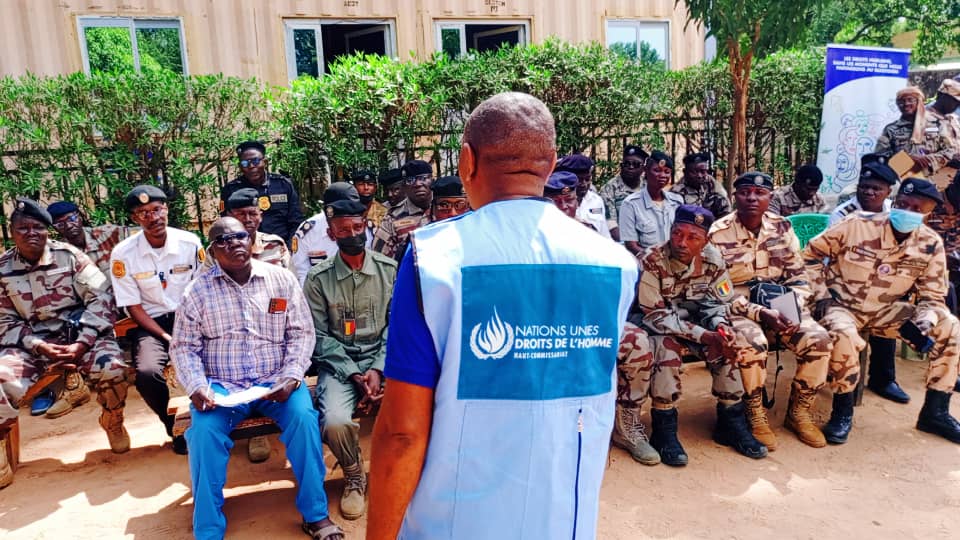
In Koumra, a comprehensive training program has kicked off for the nation’s defense and security forces, kicking off a critical initiative to embed human rights principles into daily operations. The campaign, launched on May 21, targets military personnel, gendarmes, police officers, and members of the National and Nomadic Guard (GNNT) across their respective barracks in the region.
Why this initiative matters
The training comes as part of a broader effort to reconcile public order with the absolute respect for human dignity—a balance that remains challenging in complex security environments. Spearheaded by the United Nations High Commissioner for Human Rights (OHCHR) and the United Nations Development Programme (UNDP), the sessions aim to reinforce procedural integrity and accountability within judicial processes.
Breaking the cycle of impunity
At its core, the project seeks to dismantle the culture of impunity that has long undermined public trust in security institutions. By equipping frontline personnel with a deeper understanding of human rights frameworks, gender-based violence prevention, and military justice codes, the initiative empowers them to act as guardians of fundamental freedoms rather than mere enforcers of the law.
The training extends beyond theoretical instruction, incorporating interactive discussions led by UN experts and senior officers. Participants engage in rigorous debates, case studies, and simulations designed to challenge existing practices and foster a proactive commitment to human rights compliance.
From training to transformation
While the program’s immediate goal is to raise awareness, its long-term vision is to reshape institutional culture. The ultimate test will be whether these lessons translate into real-world behavior—ensuring that every security agent prioritizes the protection of civilians over the mere application of force.
As Chad takes this step toward a more rights-respecting security apparatus, the challenge now lies in turning these workshops into ingrained habits that benefit both the population and those sworn to serve them.