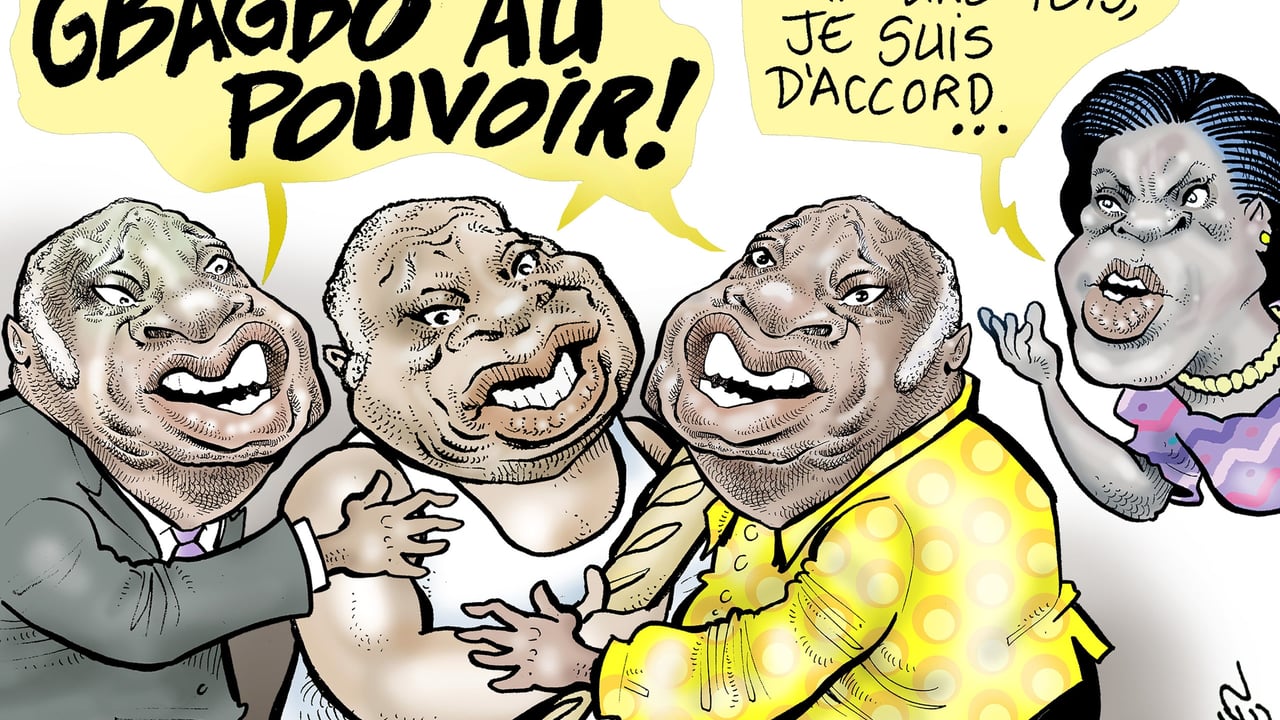
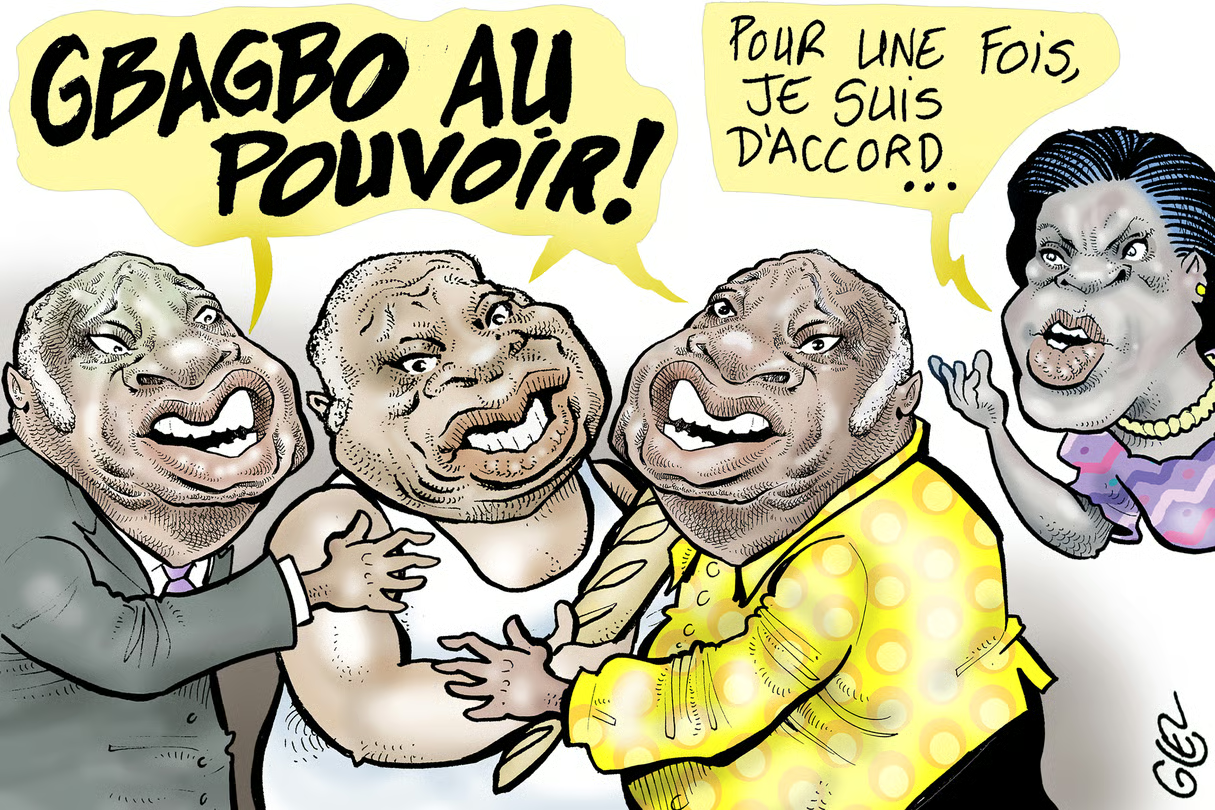
Once considered a potential retiree from politics, Ivory Coast’s former President Laurent Gbagbo has defied expectations by returning to the helm of the Party of Ivorian Peoples (PPA-CI). The decision comes despite his initial exclusion from the 2025 presidential race—a ruling rooted in legal technicalities regarding his eligibility.
The move follows President Alassane Ouattara‘s controversial choice to seek a third term, a decision that has reignited political tensions. Gbagbo, popularly known as the ‘Woody of Mama,’ framed his return as a response to overwhelming public demand. Supporters argue that his leadership is essential to guide the nation through its current challenges, while critics question the timing of his political comeback.
At the PPA-CI’s first ordinary congress in Abidjan’s Treichville Cultural Palace on May 14-15, delegates overwhelmingly endorsed Gbagbo’s leadership. The event, held under the banner of ‘continuity and revitalization,’ sought to unify a party that has struggled to gain traction in recent elections, having boycotted both the 2025 presidential and legislative polls.
Internal strife and disciplinary action
The congress unfolded against a backdrop of internal dissent, with party leaders moving to purge dissenting voices. Three prominent members, including former vice president Ahoua Don Mello, were expelled for running as independent candidates in the presidential election. An additional 62 militants faced suspensions ranging from three to eighteen months for defying the party’s boycott strategy. Among those penalized were Lakota Mayor Prince Arthur Dalli and independent deputy Stéphane Kipré.
The disciplinary measures targeted individuals advocating for structural reforms and a redistribution of leadership roles within the party. Their exclusion from the congress underscored the PPA-CI’s hardening stance against internal opposition.
Symbolism over substance
Gbagbo, known affectionately as the ‘baker’ for his past profession, has framed his role as largely symbolic. He has no intention of managing the party’s day-to-day operations, as suggested by proposals discussed prior to his public address. Yet, his speech to delegates and the subsequent ‘Renaissance Festival’ in Songon, his hometown, hinted at a deeper involvement than anticipated.
The congress, marked by celebratory rhetoric, signals a strategic pivot for the PPA-CI. While the party remains sidelined in national politics, its leadership insists on its relevance as a voice for opposition in Ivory Coast’s evolving landscape.
Comments are closed, but trackbacks and pingbacks are open.