Libreville undergoes rapid urban transformation under Oligui Nguema
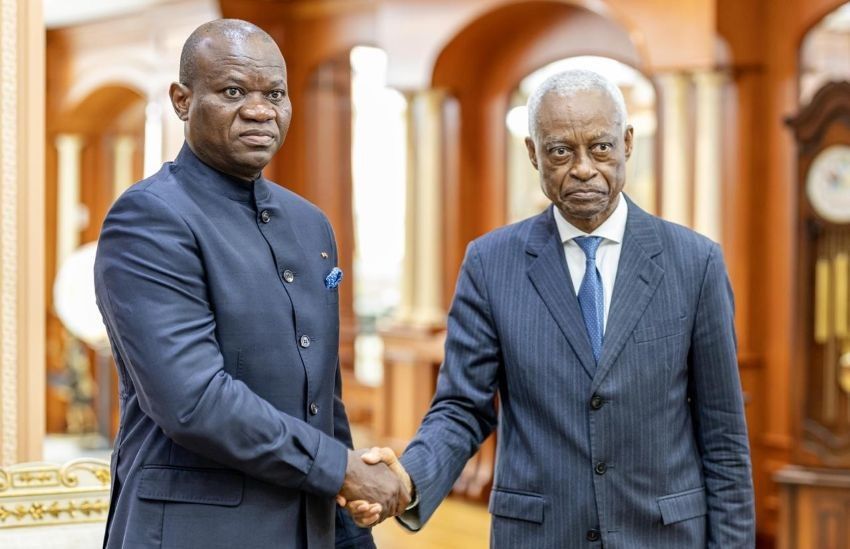
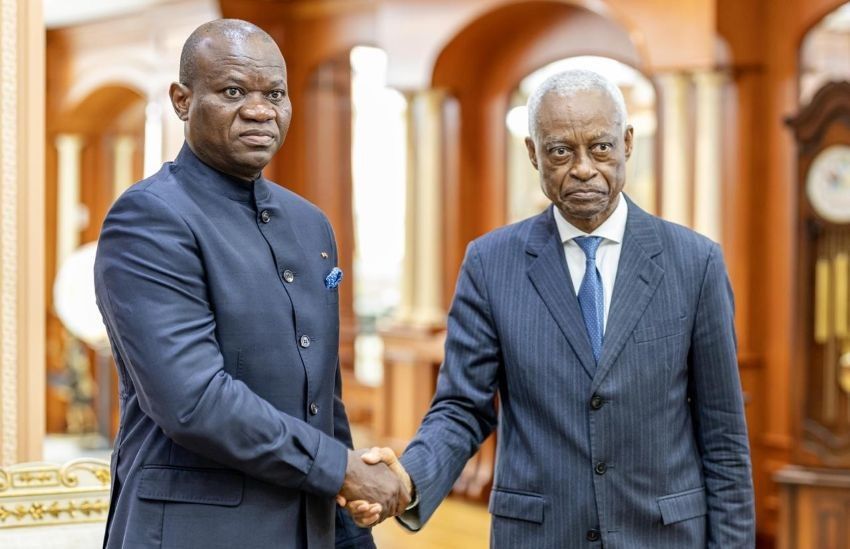
Libreville, June 3, 2026 – The transformation of Gabon’s capital has entered a new phase under direct presidential oversight. In a meeting with Mayor Eugène Mba, President Brice Clotaire Oligui Nguema underscored the critical role of local governance in the nation’s modernization drive.
This strategic session, part of a broader push to enhance state-local coordination, signals a decisive shift toward results-driven municipal management. The capital’s administrative reforms are now aligned with national priorities, ensuring that urban development aligns with broader government objectives.
Local leadership under the spotlight
During the discussion, Mayor Mba presented a progress report on the capital’s transformation roadmap, initially outlined at the start of his mandate. The updated municipal structure and revised action plan reflect a commitment to operational efficiency, with clear benchmarks for measuring success.
Local officials are now expected to transition from routine administrative functions to proactive agents of change. Performance metrics will focus on tangible outcomes, ensuring that political directives translate into visible improvements for residents.
Urban renewal: infrastructure, green spaces, and public order
The talks centered on key urban development projects designed to reshape Libreville’s landscape. Priorities include reorganizing urban space, expanding modern parking facilities, enhancing botanical gardens, and addressing illegal occupation of public land.
These initiatives aim to restore order and functionality to a city grappling with rapid population growth and persistent infrastructure challenges. By reinforcing local amenities, authorities seek to elevate residents’ quality of life while positioning Libreville as a more organized and competitive metropolis.
Urban sanitation emerged as another critical focus. With waste management remaining a persistent issue, the president emphasized the need for immediate and structured action. Efficient waste collection, transportation, treatment, and recycling are now framed as public health imperatives and core governance priorities.
Salubrity is no longer just a technical challenge but a key performance indicator for the city’s institutions, reflecting their effectiveness in serving the public.
Digital transformation as a catalyst for change
Another key topic was the digital modernization of municipal services. By streamlining administrative processes, improving public service delivery, and enhancing transparency in local resource management, these reforms aim to modernize governance in Libreville.
Digitalization is also positioned as a strategic tool to secure revenue collection and boost the city’s financial autonomy. This aligns with Gabon’s broader push toward digital governance, where technology serves as a lever for efficiency and accountability across public institutions.
However, this transition requires a cultural shift within local administrations, where performance, traceability, and accountability become standard operating principles.
Libreville as a model of modern urban governance
Beyond technical considerations, the president articulated a broader vision: Libreville must evolve into a showcase of national modernity. As the country’s political and economic hub, the capital is expected to gradually meet international standards in urban planning, public service quality, and spatial management.
President Oligui Nguema urged Mayor Mba to demonstrate rigor, innovation, and efficiency in executing ongoing projects. This call reflects a determination to move away from fragmented urban management toward a cohesive, results-oriented approach.
Local governments at the heart of national development
This meeting was more than a routine institutional exchange. It underscores a fundamental shift in Gabon’s governance, where local authorities are positioned as central actors in national progress.
By prioritizing citizen-centric policies, the executive aims to bridge the gap between political decision-making and urban realities. Libreville is now a testing ground for territorial reform, where the success of national transformation will be measured.
The outcome hinges on the ability of local institutions to implement, coordinate, and sustain reforms. In this context, the capital is no longer just an administrative hub but a litmus test for the state’s modernization ambitions.