Mali: Africa Corps struggles as Russian military strategy falters
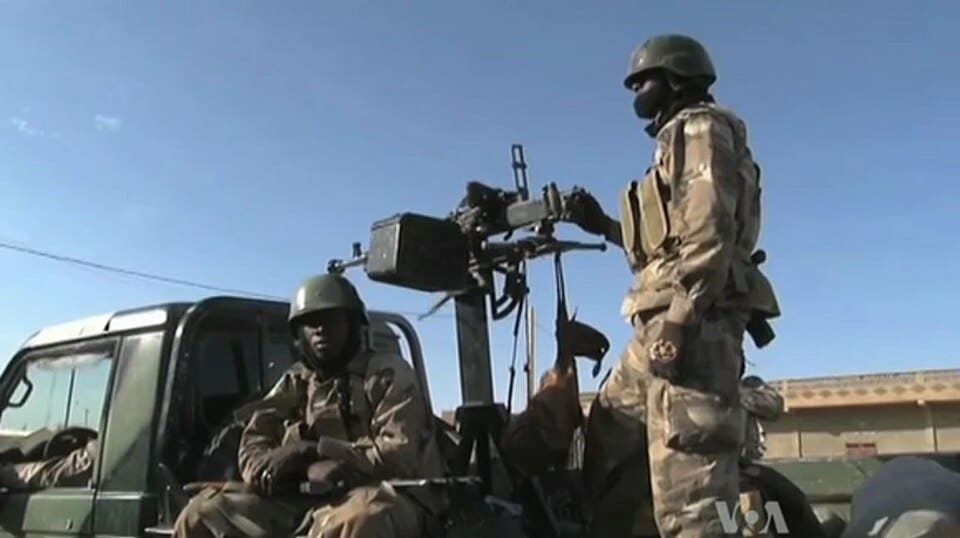
Bamako’s deepening reliance on Russian military support to reclaim territorial control has yielded mixed results at best. Following the withdrawal of Wagner Group, its successor, the Africa Corps, now faces mounting setbacks that are forcing a radical shift in strategy. Concurrently, reports of escalating civilian abuses raise serious concerns about both military effectiveness and human costs tied to this controversial alliance.
Africa Corps abandons offensive ambitions in northern Mali
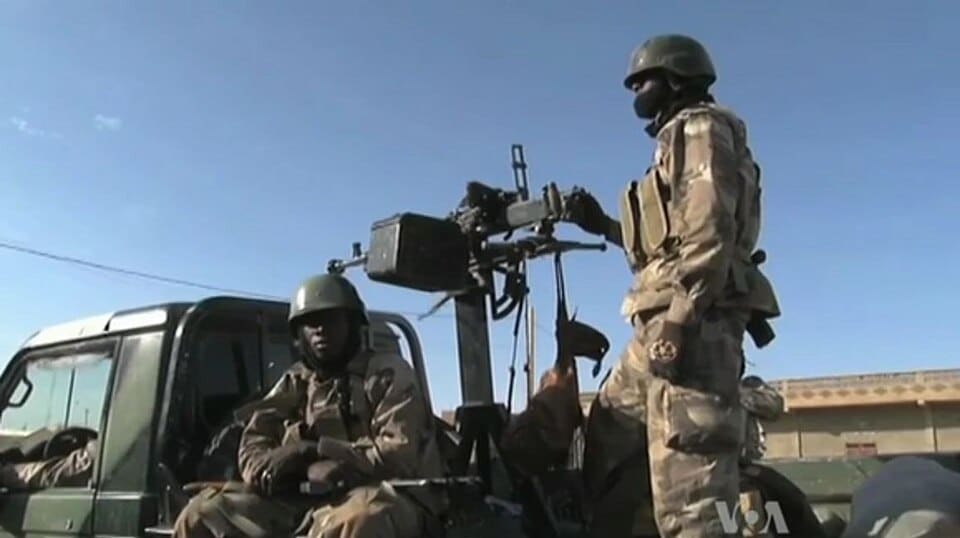
One year after officially replacing Wagner Group, the Africa Corps—directly under Russia’s Ministry of Defense—has begun a significant operational overhaul. According to field observations and military assessments, Russian forces are gradually withdrawing from several northern positions to prioritize the defense of Bamako, key infrastructure, and the Malian junta itself.
This tactical pivot comes in response to sustained pressure from Islamist militant factions, including those affiliated with the Group for the Support of Islam and Muslims (GSIM), as well as armed groups from the Azawad Liberation Front. Spring 2026 offensives marked a turning point, culminating in the humiliating retreat of Russian-Malian forces from Kidal, once a symbolic stronghold of Bamako’s reconquest ambitions.
The Malian government’s initial gamble was bold: after severing ties with Western partners, Bamako bet heavily on Russian mercenaries to rapidly restore state control. While exact financial figures remain undisclosed, international investigations estimate that security services provided by Russian contractors cost Mali tens of millions of dollars annually. Additional economic concessions—such as mining rights—were also granted to Moscow, further straining a fragile national budget.
Yet despite these substantial investments, military outcomes have fallen far short of expectations. Even during the Wagner era, repeated operations ended in failure against armed groups. Since transitioning to the Africa Corps, progress remains elusive. Analysts now suggest that Russian forces are increasingly focused on protecting the junta and providing air support rather than launching large-scale offensives—revealing a strategy more preoccupied with regime survival than defeating insurgents.
Civilian abuses escalate amid military stagnation
As battlefield setbacks mount, allegations of human rights violations continue to surface with alarming frequency.
On June 24, 2026, credible local and international sources reported a particularly egregious incident near Tombouctou. Malian soldiers operating alongside Africa Corps personnel allegedly executed several civilians, including one whose mutilated body was arranged in a swastika formation. Two additional civilians traveling by motorcycle were reportedly killed in a drone strike during the same operation. The Malian army has declined to comment on these accusations.
Days earlier, local testimonies described a joint military operation in the Tombouctou region that resulted in at least a dozen civilian deaths. Witnesses recounted summary executions and the looting of local markets—with no prior engagement with armed groups. These accounts add to a growing body of evidence documenting abuses attributed to both Wagner Group and the Africa Corps, fueling concerns that Moscow’s strategy relies more on intimidation than sustainable counterinsurgency.
Critically, this escalation in brutality has not translated into military gains. Insurgent groups continue to launch coordinated attacks on multiple cities, disrupt supply lines, and force Russian-Malian forces into reactive redeployments. The withdrawal from northern positions serves as an implicit admission of failure—a tacit acknowledgment that the original strategy has failed to stabilize Mali’s volatile regions.
By shifting focus toward securing Bamako and reinforcing aerial capabilities, the Africa Corps is effectively prioritizing political stability over territorial control. For Mali’s leadership, which made a deliberate choice to abandon Western partnerships in favor of Moscow’s support, this reorientation raises pressing questions. After years of investment and cooperation, the promise of rapid security restoration remains unfulfilled, while mounting allegations of war crimes tarnish the alliance’s reputation. Moscow’s tactical adjustments now appear less like a strategic upgrade and more like damage control in the face of a campaign that has consistently underdelivered on its original ambitions.