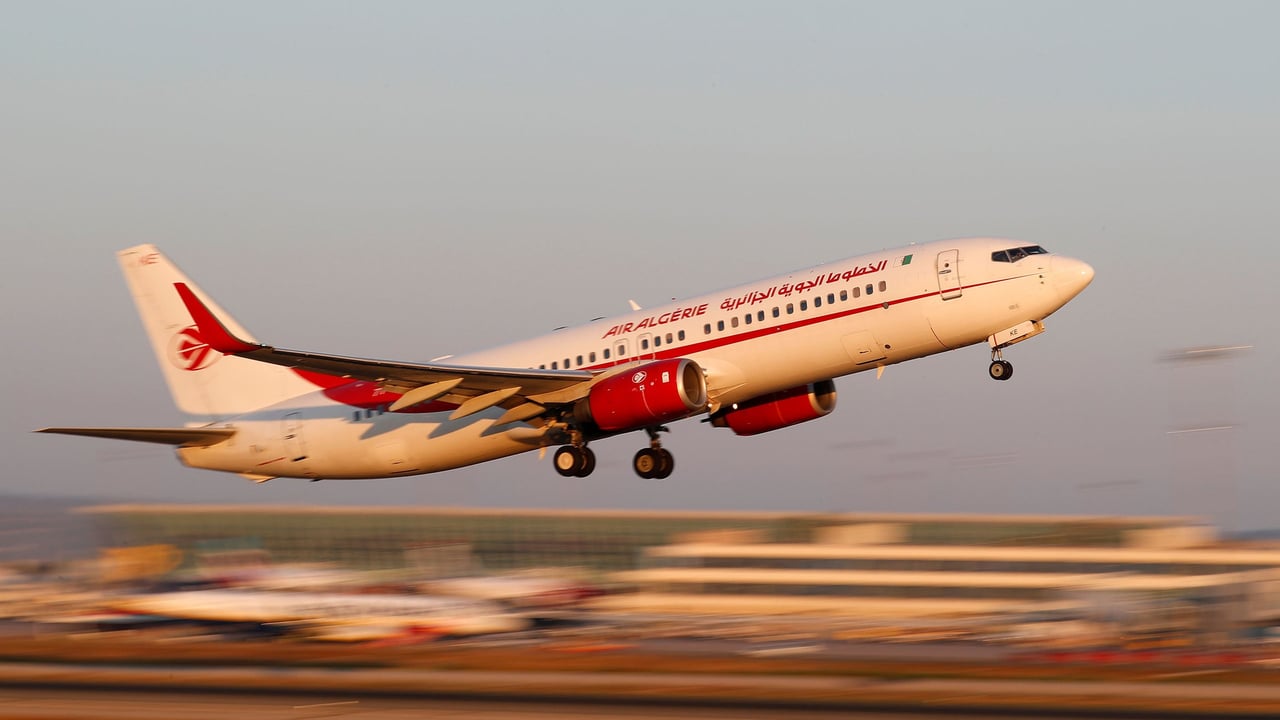

How Mali and Algeria’s diplomatic thaw is reshaping West African air travel
After months of strained relations, Bamako and Algiers have taken decisive steps to restore normal air traffic between their nations. This unexpected rapprochement is sending ripples through the aviation sector, particularly for major carriers like Air France, Brussels Airlines, and Air Algérie.
The easing of restrictions comes as a relief to travelers and industry stakeholders alike. For passengers, it means renewed access to vital routes connecting key African hubs. Airlines stand to benefit from expanded operational capabilities and potentially reduced operational costs.
Operational opportunities emerging from restored routes
With the lifting of previous barriers, carriers can now optimize their schedules to better serve West African markets. Air Algérie, which has long been a key player in regional connectivity, is positioned to capitalize on this development. The airline’s extensive network could see enhanced frequency on Mali-Algeria routes, benefiting passengers with more flexible travel options.
Other major airlines, including Air France and Brussels Airlines, are also expected to adjust their flight plans. These carriers have historically relied on Bamako and Algiers as critical transit points for passengers traveling between Europe and sub-Saharan Africa. The renewed air links promise to streamline these journeys, potentially boosting passenger volumes.
Economic implications for West African aviation
The resumption of full air services between Mali and Algeria carries significant economic implications. By facilitating smoother travel, the move could stimulate business activities and tourism in both countries. For West Africa’s aviation sector, this thaw represents a much-needed boost after years of operational challenges.
Industry analysts suggest that the improved air connectivity may lead to increased cargo traffic as well. The ability to move goods more efficiently between Bamako and Algiers could open new trade opportunities, further strengthening economic ties in the region.
Looking ahead: Challenges and prospects
While the diplomatic thaw offers promising prospects, challenges remain. Ensuring consistent flight schedules and maintaining safety standards will be critical. Airlines will need to adapt quickly to capitalize on this opportunity while navigating any lingering operational hurdles.
For passengers, the immediate benefit is clear: more choices and better access to air travel between these two key West African nations. As the aviation sector adapts to this new reality, the ripple effects could extend far beyond Mali and Algeria, potentially reshaping air travel dynamics across the entire region.