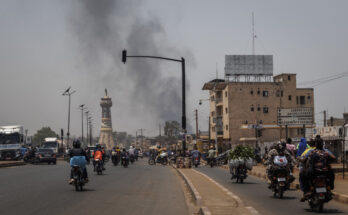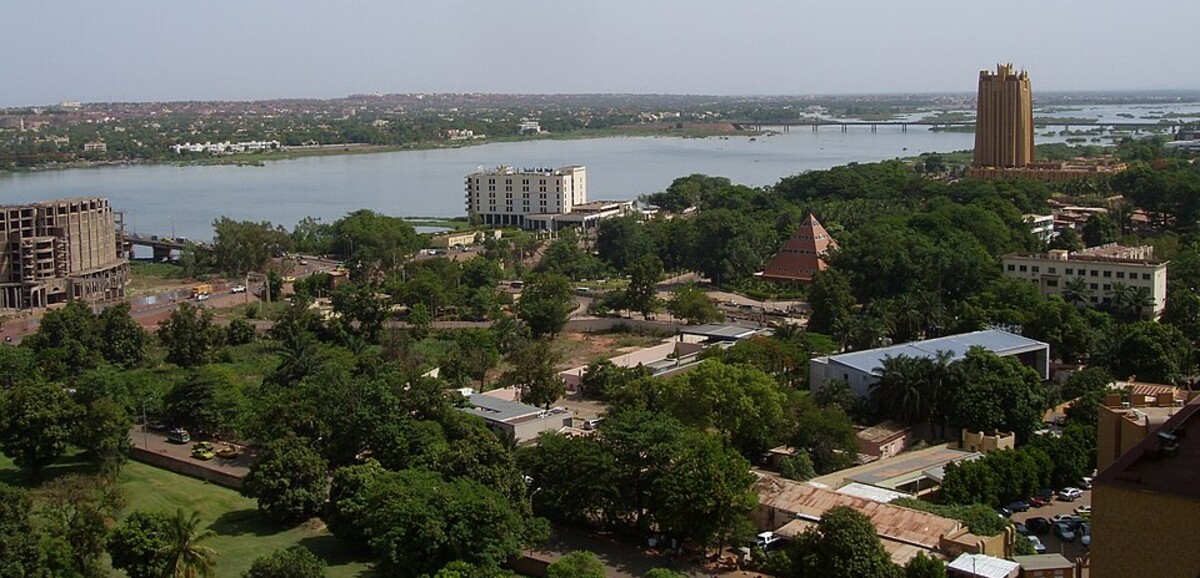
The capital of Mali has been gripped by a crippling blockade since April 30, imposed by jihadists from the Group for the Support of Islam and Muslims (JNIM). On May 15, Amnesty International issued a stern warning, calling on the armed group to immediately lift restrictions that are severely curtailing civilian movement in Bamako.
Human rights group condemns crackdown on civilian mobility
The international human rights organization highlighted what it describes as “unacceptable consequences” on the freedom of movement for residents, emphasizing that the blockade is exacerbating food insecurity, restricting access to healthcare, and putting lives at risk. JNIM has maintained control over key access points into the city, turning daily commutes into high-risk endeavors.
“Attacks on civilian vehicles used for non-military purposes are unlawful,” stated Marceau Sivieude, Amnesty International’s Regional Director. “Under international humanitarian law, all parties to an armed conflict must at all times distinguish between civilians and combatants.” The statement underscores the legal obligations of armed groups in conflict zones.
Transport sector grinds to a halt amid escalating tensions
Logistics companies have suspended operations to and from Bamako, leaving markets undersupplied and businesses struggling. A recent incident on May 6 saw a convoy of trucks carrying civilian goods, including fresh produce bound for Bougouni, come under attack. The vehicles were not escorted by military personnel and carried no military personnel or equipment, according to Amnesty International’s report.
The blockade has left residents facing dire shortages of essential goods, with supply chains disrupted and prices soaring. “The blockade is not just a military tactic—it is a collective punishment against the civilian population,” the rights group emphasized.