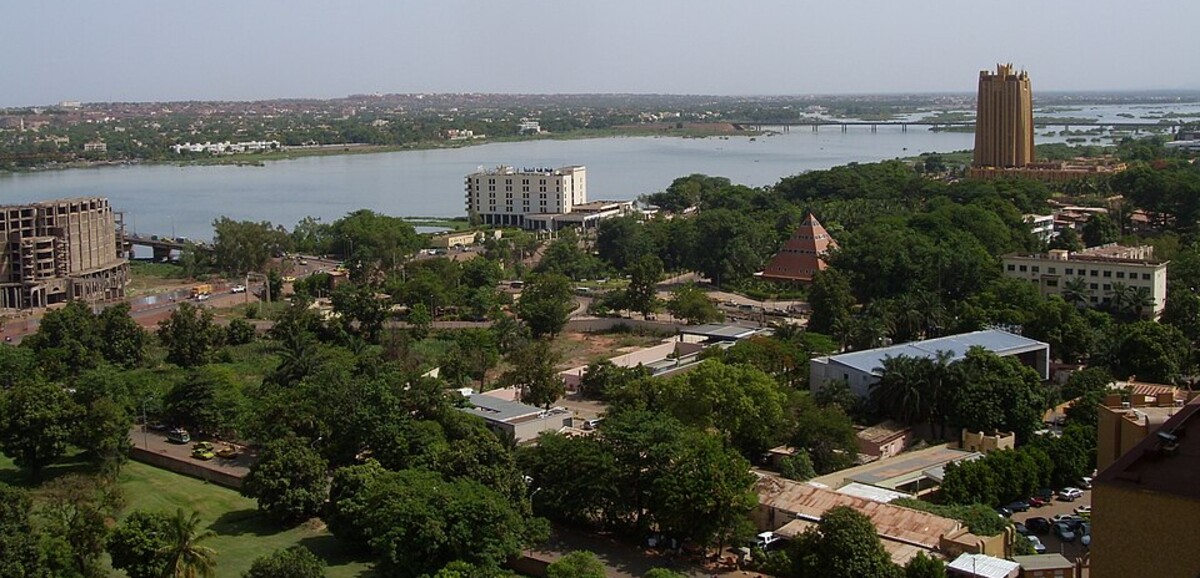
Mali: JNIM blockade in Bamako sparks humanitarian crisis, warns Amnesty International
Breaking news. The capital of Mali, Bamako, has been under siege since April 30 by militants from the Group for the Support of Islam and Muslims (JNIM), prompting Amnesty International to issue an urgent call for the protection of civilians.
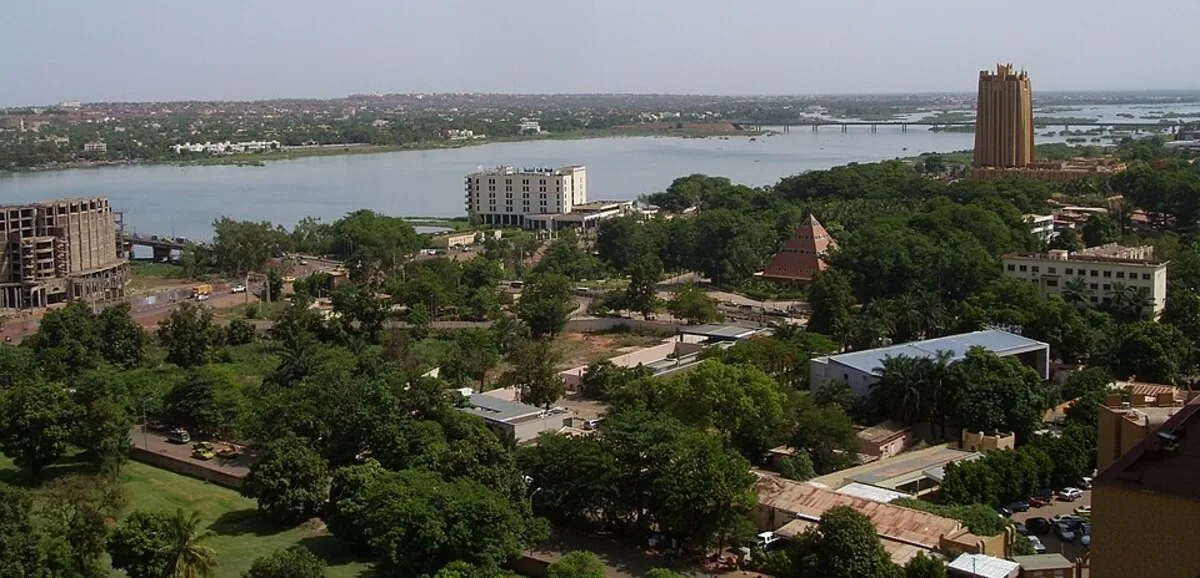
Bamako, Mali’s bustling capital, remains paralyzed as the JNIM enforces a blockade that has disrupted civilian life since April 30. On May 15, Amnesty International condemned the siege, highlighting its devastating impact on residents’ safety and mobility. The blockade follows coordinated attacks on April 25-26, when JNIM—aligned with Al-Qaïda—and the Azawad Liberation Front (FLA) targeted key military positions, escalating tensions across the region.
A siege with “unacceptable consequences”
In a scathing statement, Amnesty International condemned the blockade’s “unacceptable repercussions on civilians’ freedom of movement”, warning it could trigger severe violations of their rights to food, health, and life. “Attacks on civilian vehicles used for non-combat purposes violate international humanitarian law. All parties in a conflict must distinguish between civilians and combatants,” stressed Marceau Sivieude, Amnesty’s regional director, in the organization’s report.
The NGO cited a May 6 incident where militants ambushed a convoy of trucks carrying civilian goods—including fruits—between Bamako and Bougouni. The vehicles, “not escorted by military forces and carrying neither personnel nor military equipment,” were targeted, prompting transport companies to suspend routes in and out of Bamako. The blockade’s ripple effects are crippling the city’s already fragile supply chains.
Comments are closed, but trackbacks and pingbacks are open.