The security landscape in Mali has grown increasingly volatile in recent weeks, with coordinated assaults striking multiple cities in late April 2026. These attacks resulted in the tragic deaths of Defense Minister Sadio Camara and numerous Malian soldiers, exacerbating an already fragile situation.
This surge in violence follows years of escalating clashes between armed groups and state forces across the Sahel region. Our research on West African security and political dynamics—spanning over a decade—indicates that the latest offensives stem from unresolved grievances voiced by the Tuareg people, a Berber nomadic community in northern Mali. The current military leadership has yet to address these concerns meaningfully.
root causes of the touareg grievances
The Tuaregs’ frustrations center on several unmet demands:
Political autonomy: A long-standing call for self-governance or federal recognition, reflecting their distinct cultural and historical identity.
Economic marginalization: The northern regions, rich in gold deposits, salt mines, and strategic trade corridors, remain economically neglected. Revenue from these resources flows disproportionately to the southern-dominated state, leaving northern communities impoverished.
Cultural recognition: The Tuaregs seek acknowledgment of their language, traditions, and governance systems, which have historically been sidelined by Malian authorities.
Security concerns: Persistent military crackdowns in the north have led to civilian casualties, displacement, and collective punishment, fueling resentment.
militarization and its consequences
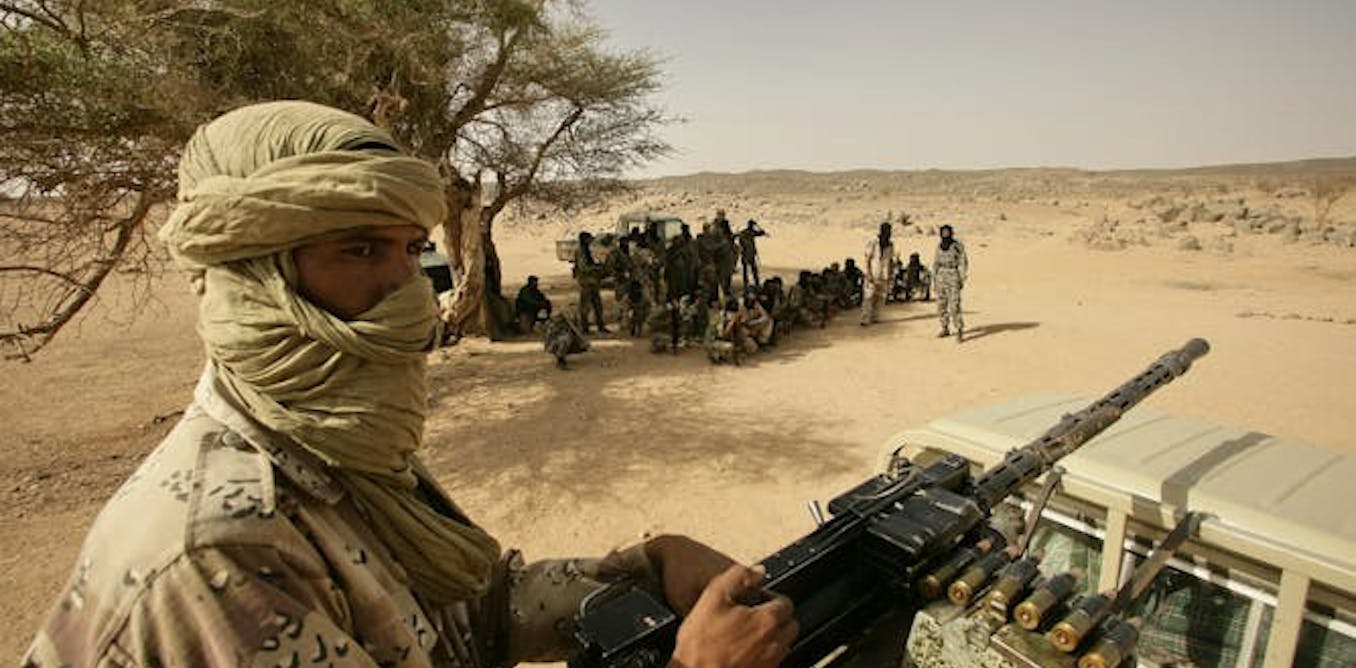
Successive Malian governments have relied heavily on military force to suppress Tuareg-led rebellions, often exacerbating tensions. The 2012 uprising, led by the National Movement for the Liberation of Azawad (MNLA), initially aimed for secession but quickly devolved into chaos as extremist groups like Ansar Dine and Al-Qaeda in the Islamic Maghreb (AQIM) hijacked the movement. Though the MNLA had around 10,000 fighters at its peak, it lacked the firepower to hold territory, ultimately ceding control to better-armed jihadist factions.
The 2013 French intervention helped the Malian state reclaim key cities such as Gao, Timboutou, and Kidal. However, AQIM and its allies retreated into remote desert and mountain strongholds, adopting guerrilla tactics like suicide bombings and landmines. The 2022 withdrawal of French forces left a security vacuum, emboldening militants to expand their operations, recruit locally, and reassert territorial influence.
lessons from past failures
The current military regime under Assimi Goïta has failed to engage with Tuareg demands, continuing a pattern of exclusion that dates back to Mali’s independence in 1960. Southern elites have historically dominated political and economic power, marginalizing northern communities, including the Tuaregs. Climate change has further devastated pastoral livelihoods, adding urgency to their grievances.
Military operations in northern and central Mali have also resulted in significant civilian harm, including arbitrary arrests, massacres, and mass displacements. These actions have inadvertently provided fertile ground for extremist groups to recruit disaffected youth and justify their violent campaigns as resistance against state oppression.
Structural inequalities remain a core driver of instability. Despite previous peace accords promising decentralization and resource redistribution, implementation has stalled. The concentration of public investment and infrastructure in the south has left the north economically stagnant, perpetuating cycles of poverty and unrest.
a path forward: addressing tuareg grievances
To de-escalate tensions, Mali must tackle the root causes of Tuareg discontent. While past alliances between Tuareg factions and jihadist groups have proven counterproductive, this does not negate the legitimacy of their underlying grievances. A proactive approach could draw inspiration from Niger’s former President Mahamadou Issoufou, who successfully integrated Tuareg leaders and former rebels into state institutions.
Issoufou’s strategy included:
Decentralizing authority, granting regional control over administration and budgets.
Launching disarmament, demobilization, and reintegration (DDR) programs for former combatants.
Investing in infrastructure tailored to Tuareg needs, such as water access, pastoral support, education, and road safety.
By addressing Tuareg concerns—political representation, economic equity, and cultural recognition—Mali can shift the conflict from rebellion to inclusive dialogue, fostering stability and long-term peace in the north.