allegations of war crimes in Mali: army and Wagner group accused of targeting peul men
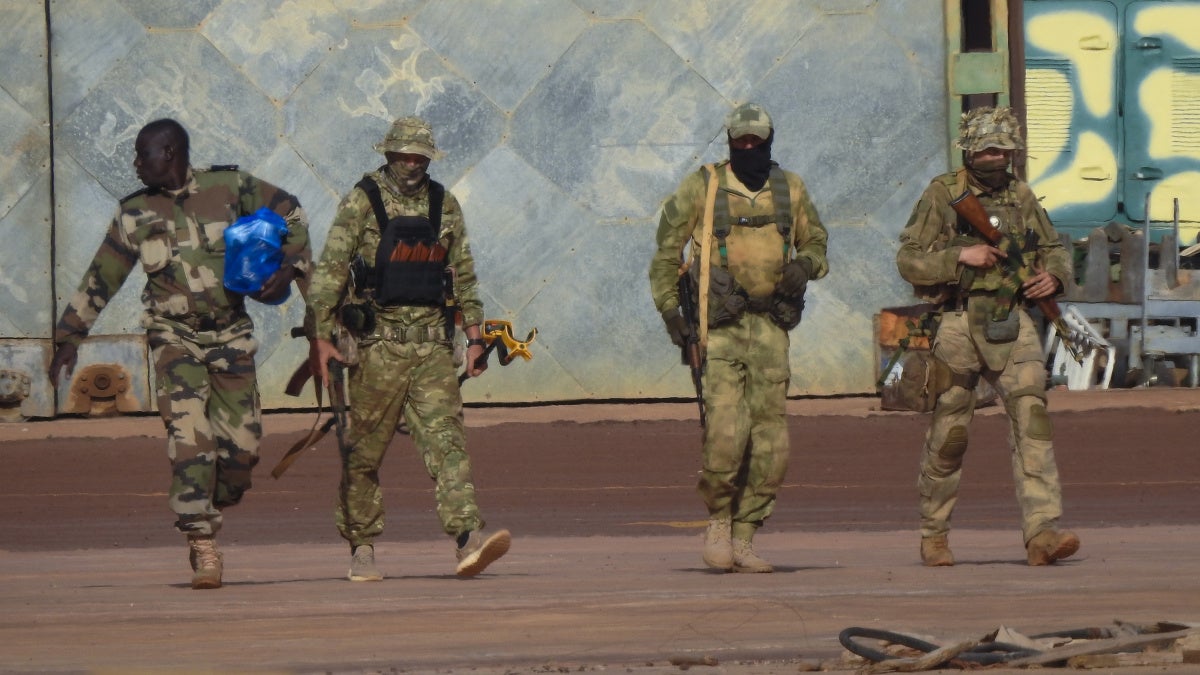
The Malian Armed Forces, alongside the Russia-backed Wagner Group, have been implicated in a string of summary executions and forced disappearances of Fulani men across Mali since January 2025. These alleged atrocities, documented by human rights organizations, raise serious concerns about violations of international humanitarian law.
key findings from human rights investigations
- At least 12 Fulani men have been summarily executed and 81 others forcibly disappeared by Malian troops and Wagner fighters since January 2025.
- Witness testimonies describe mass arrests, torture, and killings in multiple regions, including Kayes, Ségou, and Tombouctou.
- Villages in conflict zones have been targeted under accusations of collaboration with Islamist armed groups.
- The African Union is urged to increase pressure on Mali to protect civilians and hold perpetrators accountable.
regional implications and international law violations
The Malian junta, which seized power in 2021, has long denied Wagner’s presence, despite mounting evidence of their involvement in counterinsurgency operations. In June 2025, Wagner announced its withdrawal from Mali, with its operations reportedly handed over to the Russia-aligned Africa Corps.
These alleged crimes may constitute war crimes under international law, including:
- Forced disappearances in violation of the International Convention for the Protection of All Persons from Enforced Disappearances.
- Summary executions and torture prohibited by the Geneva Conventions.
- Targeting of civilians based on ethnic affiliation, which may amount to crimes against humanity.
witness accounts: brutality in villages across Mali
The following incidents, documented by Human Rights Watch, illustrate the alleged pattern of abuse:
kobou, january 23: massacres and destroyed homes
On January 23, Malian forces entered Kobou, a village under GSIM control, and killed three Fulani men—including two elderly individuals whose bodies were found blindfolded and bound. At least 30 homes were set ablaze. Survivors described fleeing as soldiers targeted them, fearing indiscriminate violence.
farana, march 26: executions near a river
Four Fulani men were detained, tortured, and likely executed by soldiers near a river in Farana. Witnesses reported finding a “bloodbath” with human remains, including brain matter and bloodstained weapons.
sebabougou, april 12: mass arrests and extrajudicial killings
Over 100 Fulani men were arrested in Sebabougou and taken to a military camp in Kwala, where at least 65 were later found dead in surrounding areas. Relatives reported discovering decomposed bodies days after the arrests.
belidanédji, march 30: civilian executions amid clashes
Following a clash with GSIM fighters, Malian troops and Wagner mercenaries executed six Fulani civilians, including an elderly man. Survivors recounted soldiers shooting unarmed individuals and refusing to distinguish between civilians and suspected militants.
sikere, may 14: retaliatory killings of peul men
In a retaliatory attack, soldiers and allied Dozo militiamen rounded up Fulani men in Sikere, blindfolded them, and executed four. Witnesses described threats from soldiers, warning of further violence if local communities were perceived as supporting Islamist groups.
call for accountability and international response
Human rights advocates emphasize that Mali’s military junta bears ultimate responsibility for crimes committed by its forces and allied groups. The African Union and international bodies are urged to:
- Demand transparent investigations into enforced disappearances and extrajudicial killings.
- Ensure fair prosecutions of those responsible, including potential prosecutions before the International Criminal Court.
- Provide reparations to victims’ families and support displaced populations.
With Mali’s withdrawal from ECOWAS in January 2025, regional judicial oversight has weakened, increasing the need for international intervention to protect civilians and uphold justice.
historical context: the fulani community’s vulnerability
The Fulani, a predominantly pastoralist ethnic group, have long been scapegoated by Malian authorities and Islamist groups alike. Islamist factions, including the Group for the Support of Islam and Muslims (GSIM), have historically recruited within Fulani communities, fueling government-backed reprisals.
Successive Malian governments have fueled dangerous stereotypes by conflating Fulani civilians with armed militants, placing the entire community at grave risk. This pattern of abuse has contributed to widespread displacement and deepened ethnic tensions across the Sahel.
conclusion: a worsening humanitarian crisis
The documented atrocities in Mali underscore a systemic failure to protect civilians in conflict zones. As Wagner’s withdrawal coincides with escalating Islamist attacks and the rise of the Africa Corps, the risk of further human rights violations remains high.
Urgent international action is required to halt the cycle of violence, ensure accountability, and restore trust in Mali’s fragile institutions.