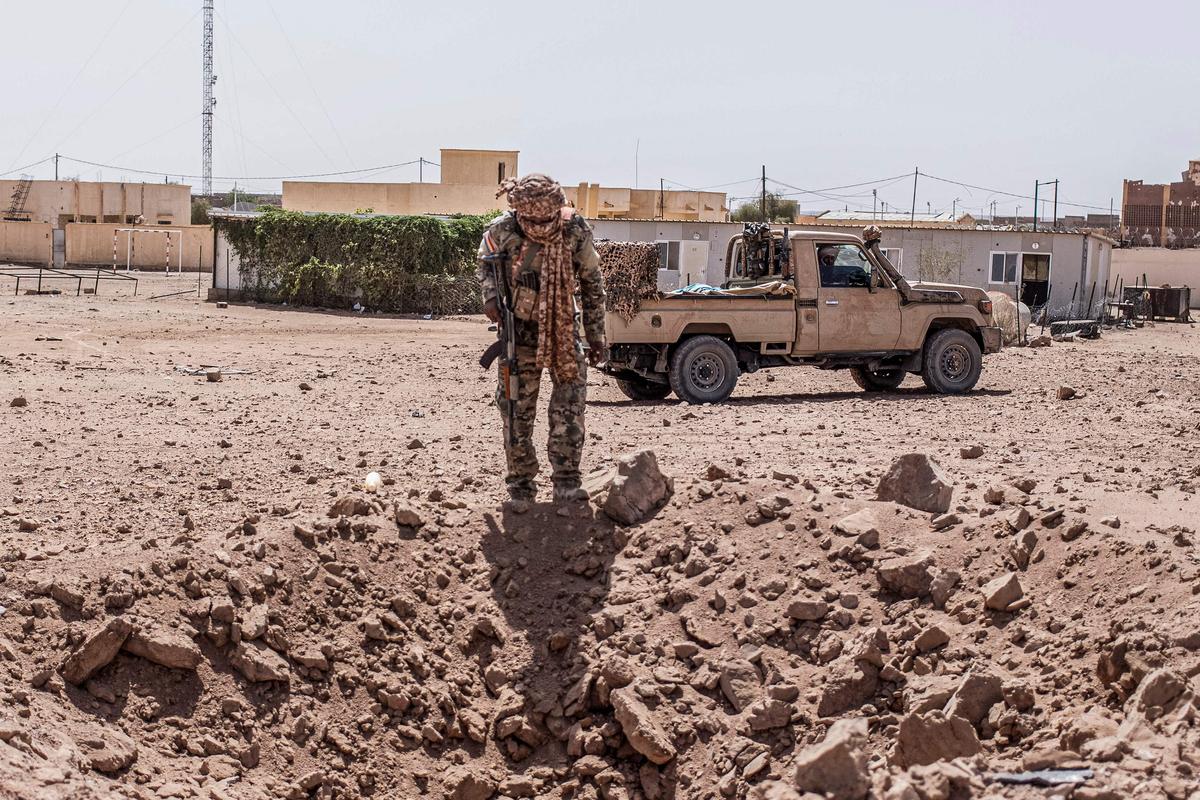
Military drone operations conducted by Malian forces in the central region resulted in the tragic loss of at least ten civilian lives on Sunday. The victims, predominantly young men, were gathered to partake in a traditional collective wedding ceremony in the village of Téné, within the San area. According to security and local accounts, this devastating incident unfolded against the backdrop of escalating security challenges gripping the nation.
These operations took place following a series of large-scale coordinated attacks on April 25 and 26, orchestrated by armed groups including the Group for the Support of Islam and Muslims (Jnim), an Al-Qaeda affiliate, alongside the predominantly Tuareg Azrawad Liberation Front (FLA). The surge in violence has significantly heightened concerns about the deteriorating security landscape in Mali.
Unfolding events and local impact
The drone strikes, aimed at countering insurgent activities, inadvertently struck a gathering of civilians preparing for a joyous occasion. The timing of the attack—coinciding with pre-wedding festivities—has magnified the tragedy, leaving communities in shock and mourning. Residents of Téné described the scene as one of disbelief, with families torn apart by the loss of loved ones who were merely celebrating a cultural milestone.
Broader security challenges
The central region of Mali continues to face persistent threats from armed factions, with recent offensives underscoring the volatility of the situation. The military’s use of drone technology reflects an intensifying strategy to curb insurgent advances, yet the collateral damage underscores the delicate balance between security operations and civilian protection. As the nation grapples with recurring violence, the human cost remains a stark reminder of the broader crisis unfolding across the Sahel.